
Roof Repairs in Newton-le-Willows: Common Problems, Costs, and Who to Call
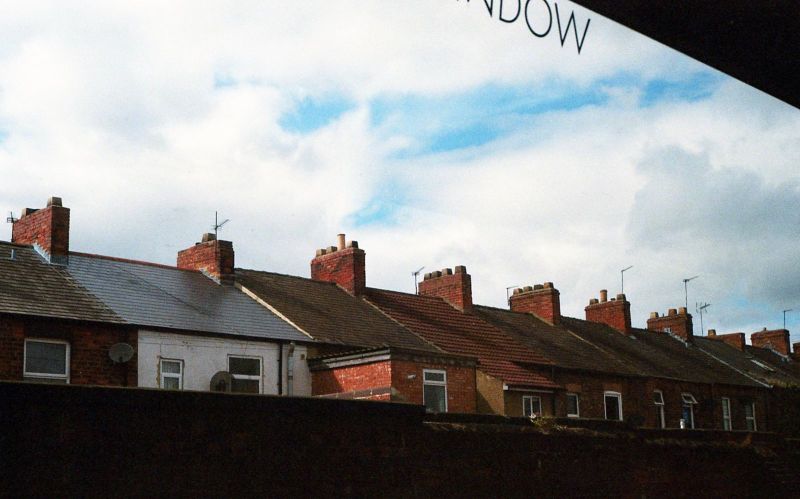
Newton-le-Willows has a housing stock that keeps roofers busy. The town's older railway and former mining terraces carry roofs well past their design life, while the 1960s-80s estates around Southworth, Crow Lane, and Wargrave are hitting the age where their original coverings start to fail. Add the wet North West climate - this corner of Merseyside sees around 850mm of rain a year across roughly 140 wet days - and small roof faults turn into leaks fast. A slipped tile fixed early might cost £80-£150; the same slip left to let water in over a winter can mean a ceiling repair running into four figures. This guide walks through the roof problems that come up most often in Newton-le-Willows, what repairs realistically cost in 2026, and how to find a roofer who'll do the job properly rather than the one who happened to knock on your door.
The Roof Problems Most Common in Newton-le-Willows
The faults a roofer sees in the WA12 area tend to follow the age of the house. On the older railway and mining-era terraces, slipped and cracked slates are the number one call-out - the original nails rust through (known as "nail sickness"), and once one slate goes its neighbours often follow. Roughly 7 in 10 pitched-roof repair jobs on period terraces trace back to failed fixings rather than the slate itself.
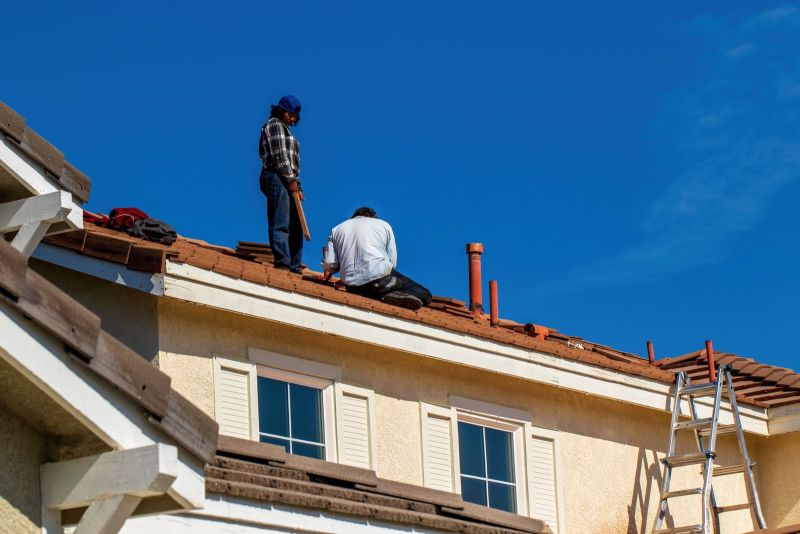
On the 1960s-80s estates it's a different story. Many of those roofs used concrete interlocking tiles with a bitumen felt underlay, and that felt is now 40-50 years old. It goes brittle, tears at the eaves, and stops being a backup layer, so any gap in the tiles above lets water straight through. Ridge and hip tiles bedded on old sand-and-cement mortar are another frequent fault - the mortar cracks and lets ridge tiles rock loose in the wind.
Across both types, flat roofs over extensions and bay windows are a weak point. Older felt flat roofs have a realistic life of 10-15 years, so plenty around the town are overdue. If you'd like a straight answer on what your roof needs, Northwest Roofing Contractors can give you an honest steer before committing to anything.
What Roof Repairs Cost in Newton-le-Willows
Prices vary with height, access, and how much has failed, but here's what to budget for common repairs in the Newton-le-Willows area in 2026:
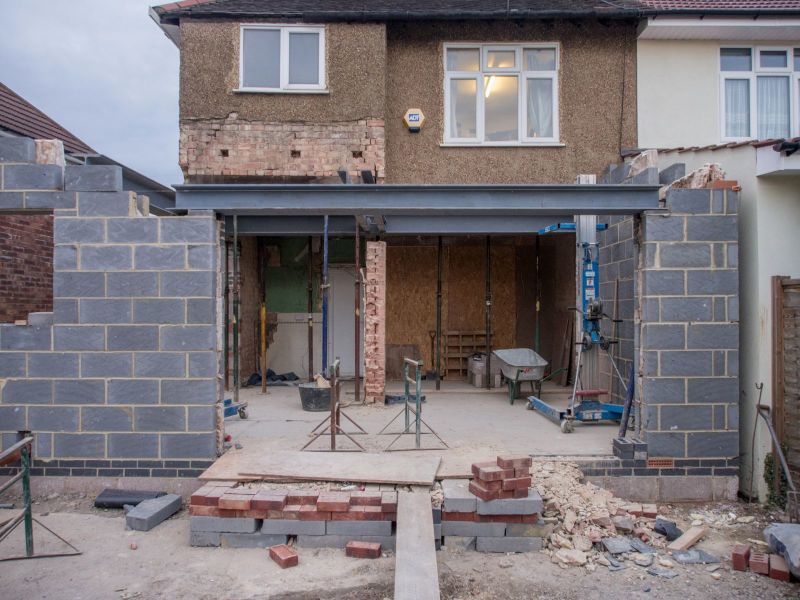
Replacing a few slipped tiles or slates: £80-£200
Re-bedding or re-pointing ridge tiles: £300-£700 for a full ridge
Repairing or replacing lead flashing around a chimney: £200-£500
Patching a felt flat roof: £150-£400
Small area of felt/underlay repair at the eaves: £250-£600
Chimney repointing or minor rebuild: £400-£1,200
These figures assume ladder or small-tower access. A terrace with no rear access, or a three-storey property, may need scaffolding, which typically adds £150-£500 to the job. The town's tightly packed terraces around Earlestown and Crow Lane often have shared or awkward access, so it's worth flagging that when you ask for a quote rather than being surprised by a scaffold charge later.
Why the North West Climate Punishes Roofs Here
Roofs in Newton-le-Willows work harder than those in drier parts of the country, and the numbers back it up. The area's 850mm-plus of annual rainfall keeps roofs wet for long stretches, and persistent damp is what drives moss growth, timber rot, and the slow failure of mortar and felt.

Moss is more than cosmetic. It holds water against the tiles, and in the North West's regular freeze-thaw cycles that trapped water expands as it freezes, spalling the surface of concrete tiles and lifting slates. A north-facing roof slope that never gets much sun can build a thick moss mat within a few years here.
Wind matters too. Newton-le-Willows sits on fairly open ground between the Mersey valley and the higher land to the north, and gusts get under any tile or ridge that's already loose. Most storm-damage call-outs a local roofer takes aren't caused purely by the wind - they're existing weak points the wind simply finished off. The Met Office UK climate averages show the North West runs wetter than the England average, which is exactly why regular checks pay off around here.
Spotting a Roof Problem Before It Leaks
The cheapest roof repair is the one you catch before water gets inside. From the ground with a pair of binoculars you can spot most of the early warning signs. Look for slipped or missing tiles, ridge tiles that sit unevenly or have gaps in the mortar, and daylight-coloured patches where a slate has cracked.
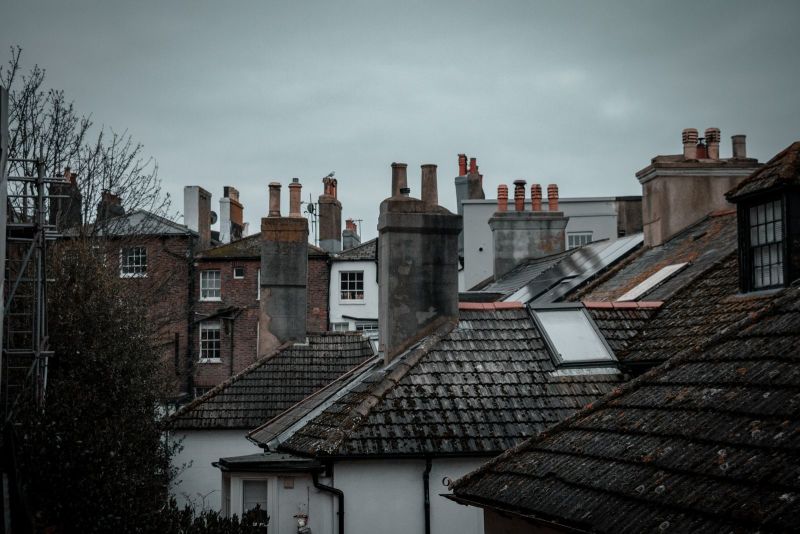
Inside, the loft tells the real story. On a bright day, look up with the light off - any pinpricks of daylight through the roof mean gaps letting weather in. Dark stains on the rafters or sarking, a musty smell, or damp insulation all point to water getting past the covering. Around 1 in 5 homeowners only discovers a roof fault when a stain appears on a bedroom ceiling, by which point the repair is bigger.
Pay attention to the chimney and flashings, because lead flashing failure is one of the most common leak sources on Newton-le-Willows terraces. Cracked or lifted lead around a chimney or where an extension meets the main roof will let water track in a surprising distance before it shows on a ceiling. If you spot any of these, get it looked at before the next spell of wet weather rather than after.
Repair or Replace? Making the Call
Not every ageing roof needs replacing, and a good roofer will tell you when a repair is the sensible spend. If the covering is generally sound and you've got a handful of slipped tiles or one failed flashing, repair is clearly the right call - you're looking at a few hundred pounds against several thousand for a full re-roof.
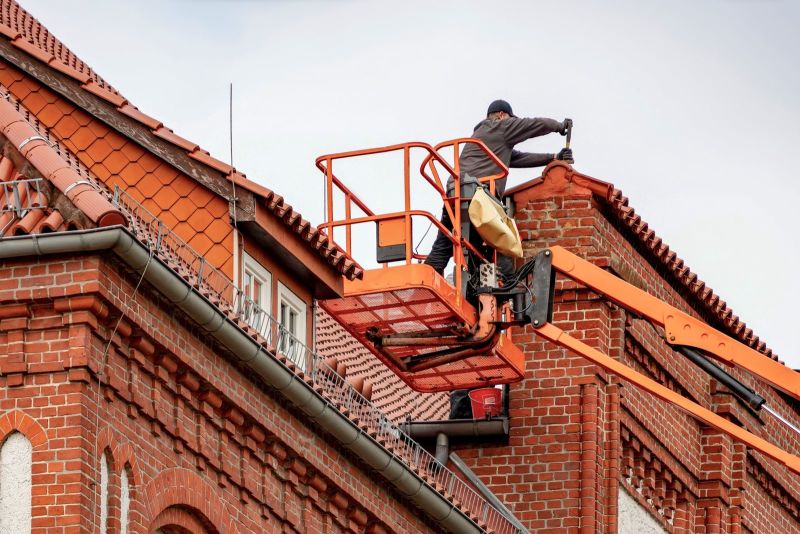
The picture changes when the underlying materials are failing across the whole roof. On those 1960s-80s estate roofs where the felt underlay has gone brittle everywhere, patching one leak just moves the problem to the next weak spot, and you can spend more on rolling repairs over a few years than a re-roof would have cost. As a rule of thumb, once you're calling a roofer out more than once a year, or the underlay and fixings are failing generally rather than in one spot, replacement usually wins on cost.
Age is a fair guide too. A concrete-tiled roof has a realistic life of 40-60 years and a natural slate roof considerably longer, but the felt, battens, and nails underneath often give out first. If your roof is in that 45-60 year window and starting to leak in multiple places, it's worth getting a replacement quote alongside the repair one so you can compare properly.
How to Find a Roofer You Can Trust
Roofing attracts more than its share of doorstep callers, and Newton-le-Willows gets them after every storm - the "we're working nearby and noticed your roof" approach. The safest move is to ignore anyone who finds you and instead choose an established local firm yourself.
Check credentials before you let anyone up a ladder. A genuine roofing contractor will be insured, give you a written quote with a clear scope, and be happy to be checked out. You can look up a firm on the TrustMark register of government-endorsed tradespeople, and the National Federation of Roofing Contractors' guidance on finding a reputable roofer is a solid checklist of what to ask. Newton-le-Willows is well placed for trades sitting close to the M6 and M62, so roofers covering Newton-le-Willows, St Helens, and Warrington can reach WA12 easily and there's plenty of competition - no need to accept a pushy first quote.
Get two or three written quotes for anything beyond a minor fix, and make sure they cover the same work - materials, scaffold, and waste removal included or not. We went into vetting and quotes in more depth in our guide to guttering replacement costs in Warrington, and the same principles apply to any roof work. Never pay in full up front; a deposit with the balance on completion is normal, and a reputable firm will back the job with a workmanship guarantee in writing.
---
FAQ
Q: How much do roof repairs cost in Newton-le-Willows?
A: Common repairs in 2026 run roughly £80-£200 for replacing slipped tiles, £300-£700 to re-bed a ridge, £200-£500 for chimney flashing, and £150-£400 to patch a felt flat roof. If scaffolding is needed for access it typically adds £150-£500 to the job.
Q: What are the most common roof problems in Newton-le-Willows?
A: On the older railway and mining terraces it's slipped slates from rusted "nail sickness" fixings and failed lead flashing. On the 1960s-80s estates it's brittle, ageing felt underlay and cracked ridge mortar. Failing felt flat roofs over extensions are a common weak point across both.
Q: Should I repair or replace my roof?
A: Repair makes sense when the covering is generally sound and only a few tiles or one flashing have failed. Replacement usually wins once the underlay and fixings are failing across the whole roof, or you're calling a roofer out more than once a year, as rolling repairs then cost more than a re-roof.
Q: How do I find a trustworthy roofer in Newton-le-Willows?
A: Avoid doorstep callers who appear after storms and choose an established firm yourself. Check they're insured and listed on the TrustMark register, get two or three written quotes covering the same scope, and never pay in full up front - a deposit with the balance on completion is standard.
---
Ready to work with us?
We're here to help. Give us a call on 01264 554568 or fill out our short form below.