
Roof Repairs in Stockton Heath and Appleton: Common Problems and Costs
Stockton Heath and Appleton sit just south of the Manchester Ship Canal and have long been the most sought-after corner of Warrington - and the roofs there are older than most people realise. Along London Road and the streets off it you get Victorian and Edwardian villas under Welsh slate that is now well past 100 years old, while Appleton's leafy avenues run heavily to interwar semis and detacheds with clay-tiled hipped roofs from the 1920s and 30s. Age matters, because this part of Cheshire takes roughly 800-850mm of rain a year across around 140 wet days, and a slipped slate that costs £90-£200 to refix early can sit through one wet winter and turn into a £1,000-plus ceiling and timber job. Roughly 7 in 10 repairs on a genuinely old roof trace back to failed fixings rather than the slate itself. This guide covers what goes wrong in WA4, what repairs cost in 2026, and who to call.
The Roof Repairs Stockton Heath's Older Homes Need Most
Start with the Victorian and Edwardian stock, because that is where the repair calls cluster. These roofs were built with Welsh slate on iron nails, and after a century the nails corrode long before the slate wears out - a decent slate has a 100-150 year life, but the fixings holding it rarely make 80. Once nail sickness sets in, slates start letting go one or two at a time, usually on the same slope, and patching each one individually becomes a losing game. A single refix runs £90-£200; the third call-out in two winters is your cue to price up a larger strip-and-refix of that slope instead.
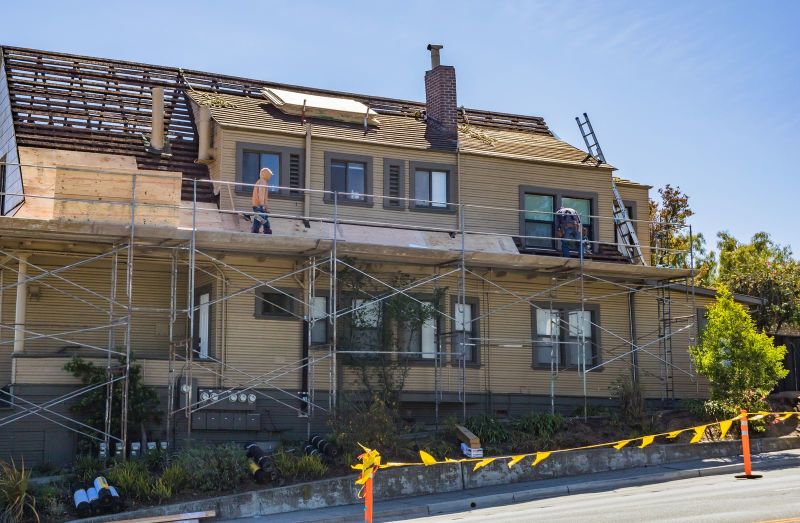
The villas also carry the classic period extras that fail before the main roof does. Tall chimney stacks in soft lime mortar want repointing every 40-50 years, bay windows have their own little lead-and-timber roofs that rot quietly behind the gutter line, and the valley gutters between double-fronted slopes fill with leaves off the mature trees these streets are known for. If you would rather have someone look before a stain appears on a ceiling, Northwest Roofing Contractors will give you a straight assessment of what actually needs doing and what can wait.
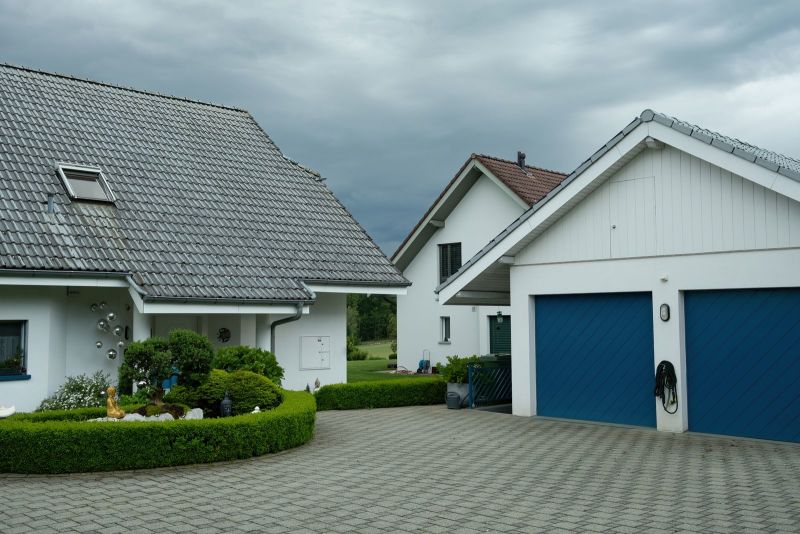
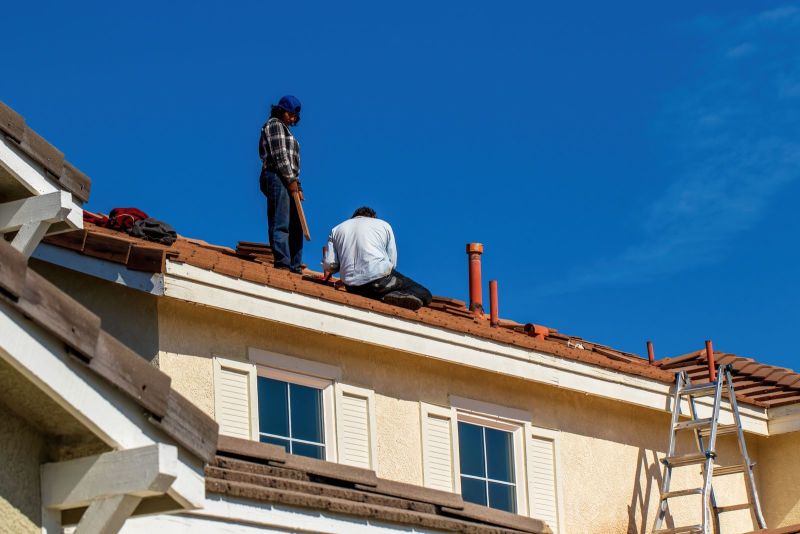
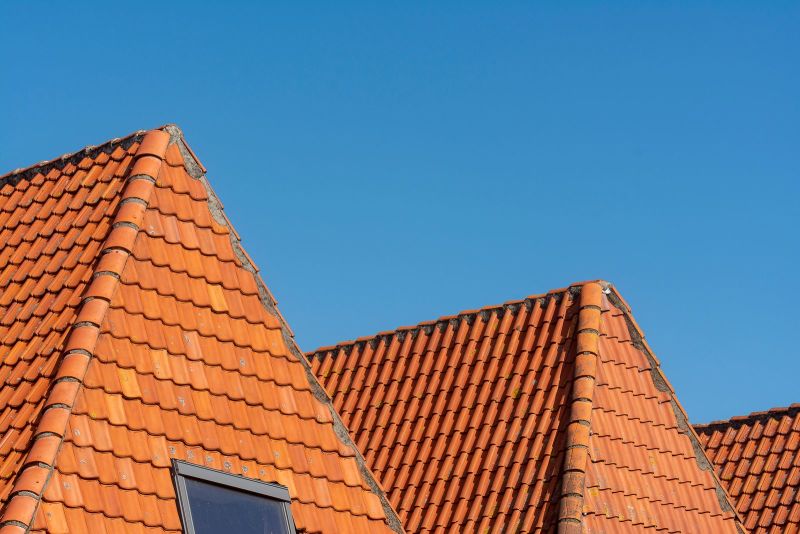
Appleton's interwar homes have a different weak spot. Their hipped clay-tile roofs have far more ridge and hip line than a simple gabled terrace - often 15-25 metres of mortar bedding on one house - and 1920s mortar is now 100 years old. Rocking or slipped hip tiles after a windy night are one of the most common WA4 call-outs, and they are worth fixing fast because a dropped hip tile takes others with it.
What Roof Repairs Cost in Stockton Heath and Appleton in 2026
Access, height and how far the fault has spread move every price, but these are realistic 2026 bands for the area:
Refixing a few slipped slates or tiles: £90-£220
Re-bedding or re-pointing ridge and hips: £380-£900
Lead flashing repairs around a chimney: £230-£580
Bay window roof repair or re-lead: £300-£750
Valley gutter clearing and minor relining: £180-£520
Chimney repointing or partial rebuild: £480-£1,400
Two local factors push jobs toward the top of these ranges. First, three-storey Victorian villas and steep period slopes usually need scaffold rather than ladders, which adds £200-£600 before anyone touches a slate. Second, matching materials properly costs more here - reclaimed Welsh slate runs £2-£4 per slate against £1-£2 for new imported equivalents, and on a visible front slope of a period villa, mismatched patching knocks more off kerb appeal than the saving is worth. Get the roofer to confirm in writing what they are matching with.
Victorian Villas: Slate, Chimneys and Bay Windows
The double-fronted villas and solid Edwardian semis around Stockton Heath village centre are lovely to own and fussy to keep watertight. Their roofs are steeper than modern stock - often 40 degrees or more - which sheds rain well but makes every repair a scaffold job, and their detailing is where the leaks start. A typical villa carries two chimney stacks, each with four flashing junctions, plus a valley or two and a bay roof at the front. That is easily a dozen separate lead details, and lead work has a realistic 60-80 year life even when done well.
Bay Window Roofs: The Leak Nobody Spots
Bay roofs deserve their own mention because they fail invisibly. They sit below eye line from the street and below the bedroom window sill from inside, so the first sign is usually a damp patch above the bay in the front room - by which point the timber ring beam under the lead may have been wet for a couple of years. A straightforward re-lead runs £300-£750; add rotten timber and you can double it. If your villa still has its original bay lead, it is almost certainly past its design life, and a ten-minute look from a ladder once a year is the cheapest insurance going.
Interwar Semis and Detacheds: Appleton's Clay Tile Problem
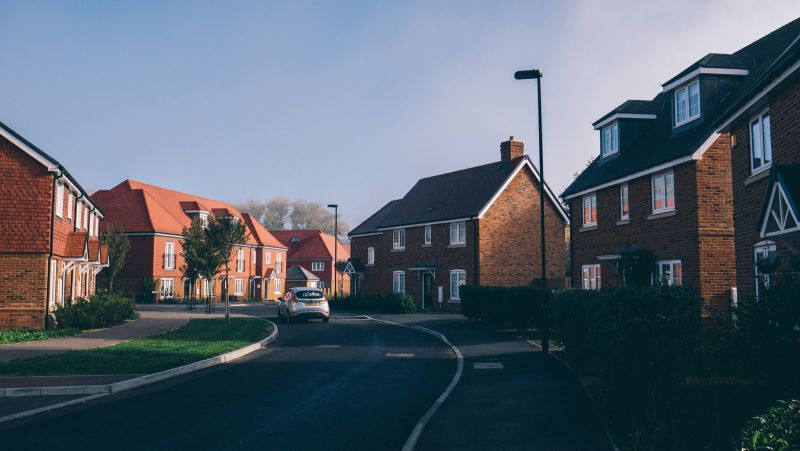
Appleton, Appleton Cross and the avenues towards Hill Cliffe grew mostly between the wars and just after, and the housing is dominated by generous semis and detacheds under machine-made clay tiles. Those tiles are now 80-100 years old, and while clay wears far better than concrete, the nibs and fixings are failing at scale - a roofer looking across an original interwar roof in WA4 will typically find 5-10% of tiles slipped, cracked or delaminating from decades of freeze-thaw.
The hipped shape is the bigger cost driver. Hips and ridges bedded in 1920s mortar shed their pointing every 20-30 years, and with 15-25 metres of it per house, a full re-bed at £380-£900 is one of the most common jobs on these streets. Dry-fix systems, which mechanically clip ridge and hip tiles instead of relying on mortar, cost 20-30% more up front but end the repointing cycle for good - a sensible upgrade when the mortar has failed everywhere rather than in one patch.
Original interwar roofs also lack any underfelt. There is no second line of defence under the tiles, so a single slipped tile lets wind-driven rain straight into the loft. If your loft shows daylight through the tile gaps, that is normal for the era - but it means slipped tiles are never a "leave it until spring" job on these houses.
How the Wet Cheshire Climate and All Those Trees Punish WA4 Roofs
Stockton Heath and Appleton get the standard North West soaking - the Met Office UK climate averages put the region consistently wetter than the England average, and locally that means roofs staying damp for weeks at a stretch through winter. Add 30-45 air-frost nights a year and you get the freeze-thaw cycle that spalls tile surfaces and cracks mortar: trapped water expands about 9% as it freezes, and century-old materials feel every cycle.
What makes these two villages harsher than average is the tree cover. The mature limes, oaks and sycamores that line the avenues drop leaves into gutters and valleys every autumn, and the shade they cast keeps north-facing slopes damp and moss-friendly year round. A blocked valley on a Victorian villa can overflow into the roof space within one heavy storm, so a twice-yearly gutter and valley clear at £80-£150 is the best-value roof spend in WA4. The Bridgewater Canal adds a ribbon of humidity through the middle of Stockton Heath too - nothing dramatic, but canal-side homes see moss establish noticeably faster on shaded slopes.
How This Compares With Warrington's Other Villages
The fault pattern here is genuinely different from the newer commuter villages north of the town. We looked at how the same wet-Cheshire weather hits Culcheth's much younger, larger detached stock in our guide to roof repairs in Culcheth and what they cost- there it is ageing concrete tiles and sheer roof area that drive bills, whereas in Stockton Heath and Appleton it is period detailing, failed fixings and trees. Same weather, different diagnosis.
Spotting Trouble Before It Reaches a Ceiling
Most WA4 roof faults announce themselves quietly first. From the pavement with binoculars, look for slates or tiles sitting proud or out of line, hip tiles that have rotated, gaps in the ridge mortar, and vegetation sprouting from valleys or behind chimneys - a fern growing out of a chimney means the mortar has been holding water for years. Walk the whole way round; rear slopes fail unseen for months.
Inside, the loft tells the truth. Daylight where there should be none, dark staining running down rafters, damp or compacted insulation under a valley, and a musty smell after rain all mean water is getting past the covering. Around 1 in 5 homeowners first learns of a roof fault from a ceiling stain, and by then the average repair bill has roughly tripled. On a period home it is worth a professional look every couple of years even without symptoms - a £0 or nominal-cost inspection against four-figure timber repairs is not a hard sum.
Finding a Roofer You Can Trust in Stockton Heath and Appleton
Affluent village suburbs attract storm-chasers, and WA4 gets its share of "we were just working on your neighbour's roof" doorstep callers every winter. The rule is simple: never hire a roofer who found you. Choose an established firm yourself, and check them before they set foot on a ladder - the TrustMark register of government-endorsed tradespeople takes two minutes to search, and the National Federation of Roofing Contractors' guidance on choosing a roofing contractor is a solid checklist of what to ask before you commit.
The good news is that you are spoilt for access here. Sitting between the A49, the M56 at junction 10 and the M6 at junction 20, Stockton Heath and Appleton are easy ground for every reputable firm covering south Warrington and north Cheshire, so competition is healthy and there is no reason to accept a pushy first quote. Get two or three written quotes for anything beyond a minor refix, make sure each covers the same scope - materials, scaffold, waste - and on a period property, ask specifically what slate or tile they will match with. A deposit with the balance on completion is normal; full payment up front is not.
---
FAQ
Q: How much do roof repairs cost in Stockton Heath and Appleton?
A: In 2026, refixing a few slipped slates or tiles runs £90-£220, re-bedding ridge and hips £380-£900, chimney flashing repairs £230-£580, bay window roof repairs £300-£750, and chimney repointing £480-£1,400. Steep period slopes often need scaffold, which adds £200-£600, and matching reclaimed Welsh slate on a Victorian villa costs £2-£4 per slate against £1-£2 for new imports.
Q: What roof problems are most common on Stockton Heath's Victorian houses?
A: Nail sickness is the big one - the iron nails holding century-old Welsh slate corrode long before the slate wears out, so slates slip in ones and twos on the same slope. Failed lead around chimneys and valleys, crumbling stack mortar, and rotten bay window roofs are the other regulars. Bay roofs fail out of sight and often are not noticed until a damp patch appears in the front room.
Q: Why do Appleton's interwar semis need their ridges re-bedding so often?
A: The hipped roofs common across Appleton carry 15-25 metres of mortar-bedded ridge and hip per house, and 1920s mortar sheds its pointing every 20-30 years. A full re-bed costs £380-£900, or a dry-fix system costs 20-30% more and ends the repointing cycle by clipping the tiles mechanically instead of relying on mortar.
Q: How do I find a trustworthy roofer in WA4?
A: Never hire anyone who knocks on your door after a storm. Pick an established firm yourself, check them on the TrustMark register, get two or three written quotes covering the same scope, and on a period home ask exactly what materials they will match with. A deposit with the balance on completion is standard - never pay in full up front.
---
Ready to work with us?
We're here to help. Give us a call on 01264 554568 or fill out our short form below.