Dry Verge and Dry Ridge Systems in Warrington: Costs and Benefits
If you've ever found a ridge tile in the garden after a windy night, you already know the weakness of the old way of doing roofs. For decades, ridge and verge tiles were bedded on sand-and-cement mortar, and that mortar has a working life of only about 20-30 years before it cracks, crumbles, and lets tiles work loose. Warrington has thousands of roofs now hitting exactly that age - the 1960s-1990s estates around Westbrook, Birchwood, and Callands were built when mortar was standard, and many are due their first major roofline overhaul. Dry verge and dry ridge systems are the modern fix: instead of mortar, tiles are clamped down mechanically with screws, brackets, and a ventilated ridge roll. They cost more up front, roughly 20-40% above a like-for-like mortar job, but carry 10-15 year guarantees and shrug off the wind and rain that destroy mortar. Here's how they work and when they're worth it.
What Dry Verge and Dry Ridge Systems Actually Are
It helps to separate the two, because people often lump them together. The verge is the sloping edge of the roof at the gable end, and the ridge is the horizontal line along the very top. Both were traditionally sealed with mortar, and both are now available as "dry fix" mechanical systems. If you're weighing up your options for a specific roof, Northwest Roofing Contractors will tell you honestly whether dry fix or fresh mortar makes more sense for your property rather than pushing the pricier option by default.
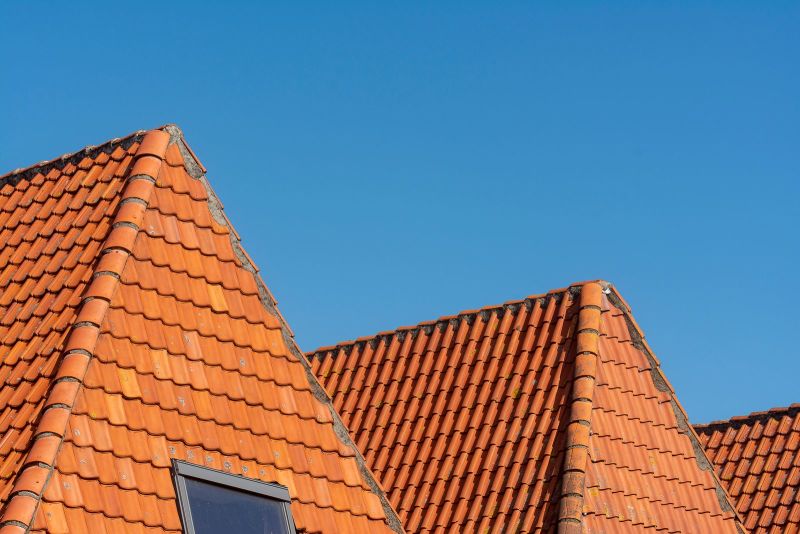
A dry verge system uses interlocking plastic or aluminium caps that clip over the gable-edge tiles and screw into the roof timbers. A dry ridge system uses a roll of ventilated, flexible material laid under the ridge tiles, with each tile then fixed down by a screw and clamp rather than sat in mortar. Both are covered by BS 5534, the British Standard for slating and tiling, which since 2014 has effectively required all ridge and verge tiles on new and re-roofed properties to be mechanically fixed rather than relying on mortar alone.
The result is a roofline that moves with the building, breathes properly, and stays put in a gale - three things a rigid mortar bed does poorly.
Why Warrington's Climate and Housing Suit Dry Fix
Warrington sits in one of the wetter, windier parts of England, and that's exactly the environment that punishes mortar. The North West records around 150-170 wet days a year against an England average nearer 130, and every freeze-thaw cycle works water into hairline cracks and levers the mortar apart. Once it goes, tiles loosen and the whole ridge becomes a liability in the next storm.
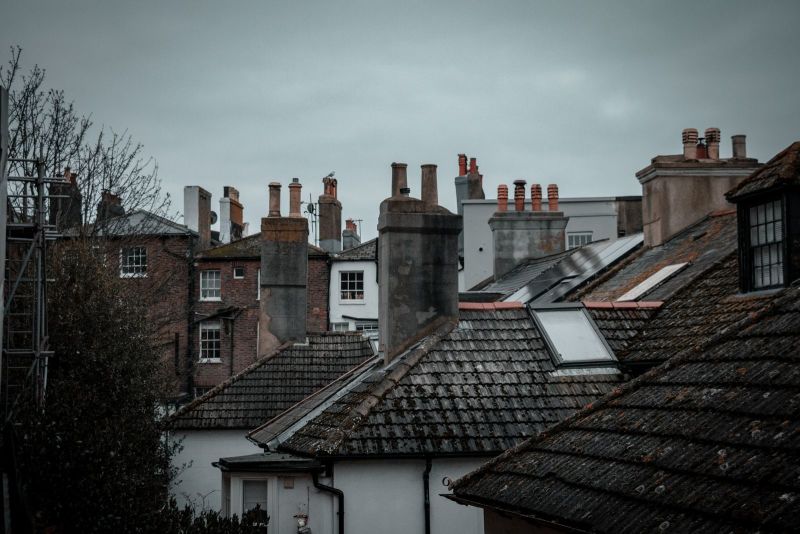
The town's exposed new-town estates make it worse. Roofs on the open Birchwood, Chapelford, and Omega developments catch the prevailing south-westerly wind with little shelter, and wind uplift is the single biggest cause of ridge tiles coming loose. Mechanical fixing is designed precisely for this - a clamped ridge tile can resist far higher wind loads than one relying on a 30-year-old mortar bed.
The Met Office UK climate averages confirm the North West takes noticeably more rainfall and wind than drier southern and eastern regions, which is a large part of why dry fix has caught on faster here than in sheltered inland areas.
Dry Verge vs Mortar Verge: The Real Difference
On the gable edge, mortar's job is to stop wind and rain getting under the tiles and to hold the edge tiles down. When it cracks - and on a Warrington roof that's usually within 20-25 years - birds pull it out, water gets behind it, and the verge tiles start to slip.
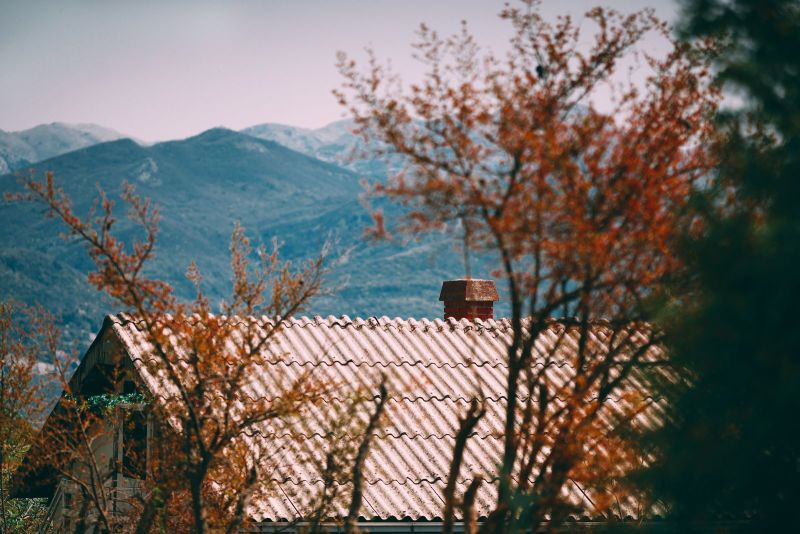
A dry verge system removes that failure point entirely. The caps are UV-stable, they don't crack in frost, and they physically lock each tile to the timber. They also give the gable a cleaner, more uniform line, which is why they've become common on the modern estates around Westbrook and Great Sankey where crisp edges suit the house style. The trade-off is cost and looks: dry verge caps are visible plastic or metal, and on a period property some homeowners prefer the traditional mortar appearance even knowing it needs redoing sooner.
For the average Warrington semi, though, the maths is simple. A dry verge conversion means you're very unlikely to touch that edge again for a decade or more, against a mortar verge you can expect to re-point at least once in the same period.
Dry Ridge vs Mortar Ridge: The Real Difference
The ridge is where dry fix earns its keep most clearly, because a failed ridge is both the most common roofline fault and the most exposed to wind. Mortar-bedded ridge tiles on Warrington's 1970s-onwards estates are frequently the first thing to fail, well before the tiles on the main slope.
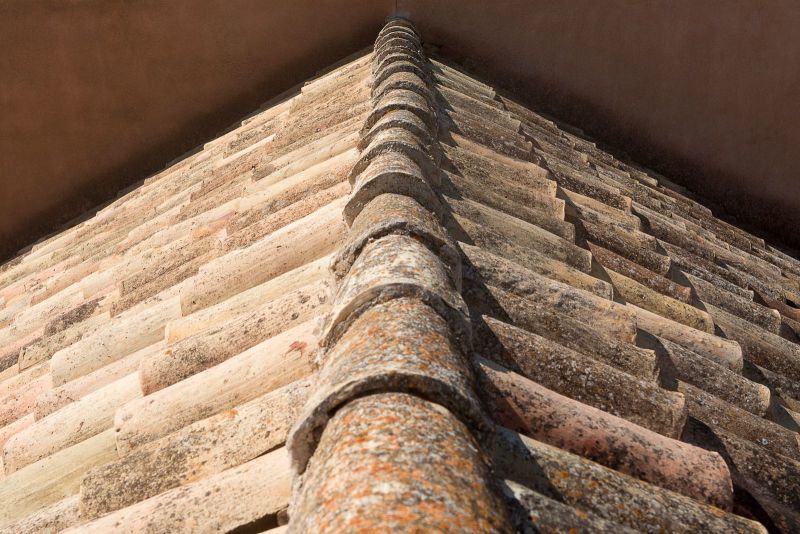
A dry ridge system fixes each ridge tile with a mechanical clamp and screw, and crucially adds ventilation. The flexible ridge roll lets warm, moist air escape from the loft space while keeping rain out, which cuts condensation - a genuine benefit in the North West, where cold lofts and damp air are a common cause of hidden roof-timber rot. A mortar ridge seals that airflow off completely.
The downside is the sticker price. Dry ridge runs roughly £45-£90 per linear metre against £40-£70 for re-bedding in mortar, so on a typical terrace ridge you might pay £150-£300 more. Spread over a 10-15 year guarantee, that premium usually works out cheaper per year than mortar you'll be re-pointing within a decade.
What Dry Verge and Dry Ridge Cost in Warrington in 2026
Prices depend on roof size, pitch, and access, but there are reliable ballparks. A dry verge conversion for both gable edges on an average semi typically costs £400-£900 including scaffold or access, while a full dry ridge installation on a standard ridge line runs £450-£1,100.
Doing both at once, as part of a re-roof or a roofline refresh, is where the value sits - the scaffold is already up, and access is usually 20-40% of any roofline job, so combining the work spreads that fixed cost. A combined dry verge and dry ridge upgrade on a typical three-bed Warrington semi often lands around £900-£1,800 all in.
Set that against mortar: cheaper today at maybe £300-£600 for the same lines, but with a redo due inside 25 years and no wind or ventilation benefit. Over the life of the roof, dry fix generally wins on total cost. We've explained where mortar ridge and chimney work still makes sense in our guide to Warrington ridge and chimney repairs if your roof isn't ready for a full conversion yet.
Is Dry Fix Worth It for Your Roof?
For most Warrington homeowners with a roof approaching or past 20 years old, converting to dry fix during the next repair or re-roof is the sensible call. If the mortar is already failing, you're paying for access anyway, so the extra to go mechanical is small relative to the long-term saving.
It's especially worth it on exposed estate roofs, on rented or holiday properties where you want to minimise callbacks, and any time you're re-roofing, since BS 5534 already expects mechanical fixing on the new work. For a listed building or a period property where appearance is protected, traditional mortar - or a low-profile dry system - may be the better fit, and a good roofer will tell you which.
When you do go ahead, insist on a workmanship guarantee and check the firm on the TrustMark register of government-endorsed tradespeople first. A dry fix system is only as good as its installation, and a properly screwed-down ridge that never troubles you again is the whole point of paying the premium.
---
FAQ
Q: How much do dry verge and dry ridge systems cost in Warrington in 2026?
A: A dry verge conversion for both gable edges on an average semi typically costs £400-£900 including access, and a full dry ridge installation runs £450-£1,100. Doing both together during a re-roof often lands around £900-£1,800 all in. Dry ridge is roughly £45-£90 per linear metre against £40-£70 for mortar re-bedding.
Q: Are dry fix systems better than mortar?
A: For most modern roofs, yes. Mortar has a working life of about 20-30 years before it cracks, while dry verge and dry ridge systems clamp tiles mechanically, carry 10-15 year guarantees, and resist wind uplift far better. Dry ridge also adds ventilation that reduces loft condensation. Mortar can still suit period or listed properties where appearance is protected.
Q: Why is dry fix especially suited to Warrington?
A: Warrington sits in a wet, windy part of England with around 150-170 wet days a year, and its exposed new-town estates around Birchwood, Chapelford, and Omega catch the prevailing south-westerly wind. Those freeze-thaw cycles and high winds are exactly what destroy mortar and loosen ridge tiles, so mechanical fixing lasts noticeably longer here.
Q: Do I legally have to use dry fix when re-roofing?
A: The British Standard BS 5534 has, since 2014, effectively required all ridge and verge tiles on new-build and re-roofed properties to be mechanically fixed rather than relying on mortar alone. So on a full re-roof your roofer should be mechanically fixing the ridge and verge regardless - dry fix systems are the usual way to meet that standard.
---
Ready to work with us?
We're here to help. Give us a call on 01264 554568 or fill out our short form below.