
Roof Repairs in St Helens: Common Problems, Costs, and Who to Call
Roofs in St Helens take a beating that homeowners in drier parts of the country never really think about. The North West sees around 150-170 wet days a year, well above the England average of roughly 130, and that steady drizzle finds every weak spot on an ageing roof. St Helens has a lot of ageing roofs, too - rows of Victorian and Edwardian mining terraces around Sutton, Parr, and Thatto Heath, plus pebbledash semis from the 1930s to the 1960s across Eccleston and Windle. Most of those roofs are now well past 60 years old, and repair calls climb sharply once a roof passes the 50-year mark. In 2026, a typical one-off roof repair in the town lands between £150 and £1,200, with the average sitting around £400-£500. This guide walks through the faults that actually come up here, what they cost, and how to hire without getting stung.
The Roof Problems St Helens Homes Get Most
The housing stock here tells you what's going to go wrong before anyone climbs a ladder. Roughly 40% of pitched-roof repair calls in older terraced areas start with slipped or cracked tiles and slates, and St Helens has plenty of both. If you want a straight answer on your own roof rather than a vague guess over the phone, Northwest Roofing Contractors will give you a written breakdown of the fault and the fix so you know exactly what you're paying for.
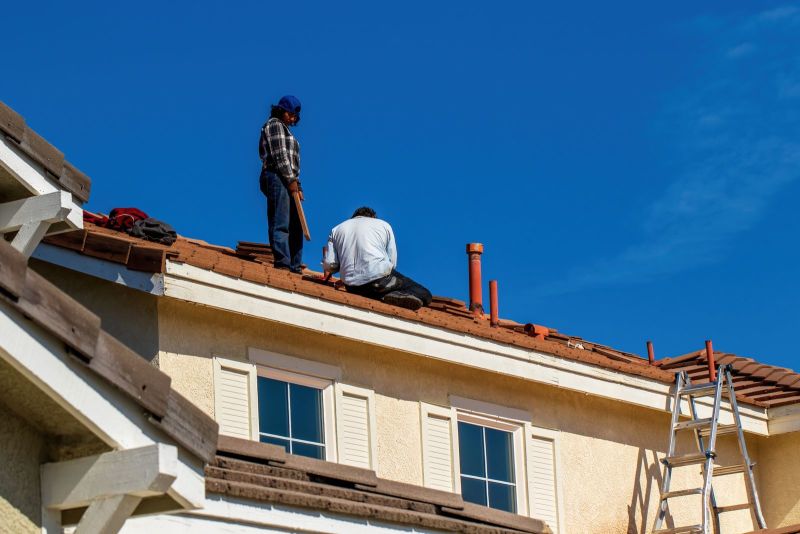
On the older Sutton and Parr terraces, natural slate is the usual covering, and the nails holding it fail long before the slate itself - a condition roofers call "nail sick". You get slates sliding out of an otherwise sound roof, often after a windy night. On the pebbledash semis around Eccleston, concrete tiles from the mid-20th century are more common, and there the mortar tends to fail before the tiles do.
Damp patches on bedroom ceilings, a few slates in the garden after a storm, and green streaks down the gable are the three complaints that come up again and again. None of them are dramatic on day one, but the North West climate means a small gap turns into a soaked ceiling faster here than almost anywhere in England.
Slipped Slates and Broken Tiles
This is the bread-and-butter repair and the cheapest one, which is exactly why it pays to act before water gets a foothold. Replacing 1-3 slipped or cracked units typically costs £80-£220 as a single short visit, and a patch of 4-10 across a slope runs £200-£450.
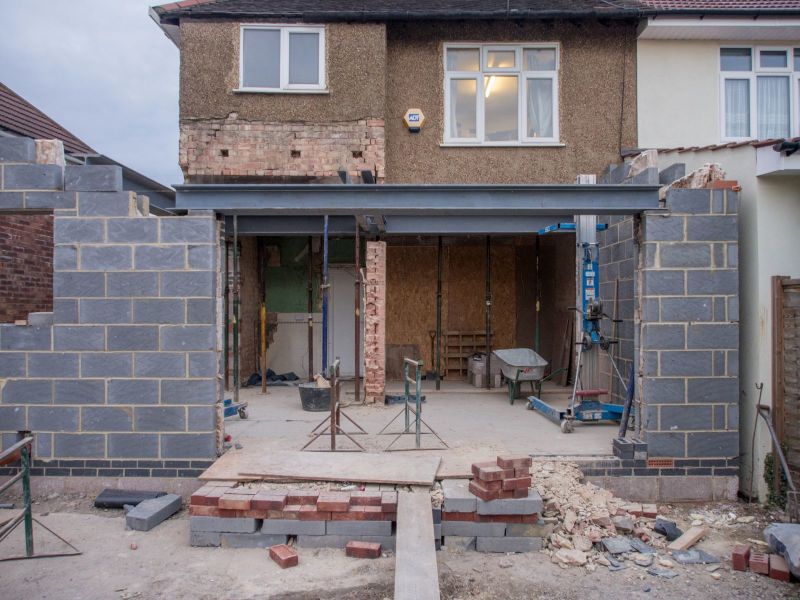
On the Victorian slate terraces, expect the higher end of those ranges. Matching reclaimed Welsh slate to an original roof costs £2-£5 per slate against a couple of pounds for a modern concrete tile, and a nail-sick roof takes longer to work on because the roofer is often re-securing neighbouring slates that are about to go the same way. A quick single-slate fix on a Thatto Heath terrace can easily turn into a half-day once the roofer sees the state of the fixings.
Where the same slope keeps shedding slates, a one-by-one patch is a false economy. Past roughly 20% of a slope failing, a full re-slate usually beats endless callouts, and any honest roofer will tell you that in writing rather than keep coming back for £150 a time.
Ridge and Verge Mortar Failure
The mortar bedding your ridge and verge tiles has a working life of about 20-30 years, and a huge share of St Helens roofs are well past that. Once it cracks, ridge tiles rock loose in the wind and water tracks straight in along the top of the roof.
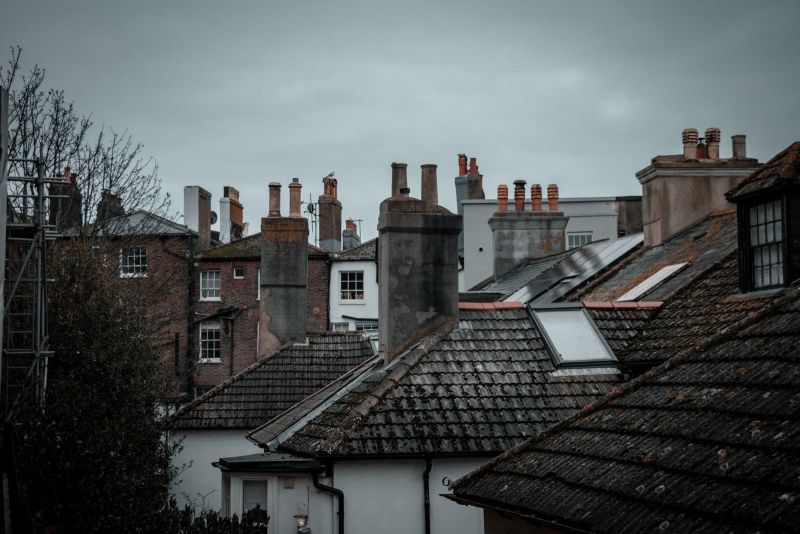
Re-bedding or re-pointing ridge mortar costs around £40-£70 per linear metre, so a typical terrace ridge lands at £300-£600, with verge repairs down the gable edge in a similar bracket. The exposed gable ends common on St Helens' end-of-terrace and semi-detached homes catch the prevailing south-westerly wind head-on, which is why verge mortar here fails faster than sheltered mid-terrace roofs.
If you're re-doing the ridge anyway, it's worth asking about a mechanical dry ridge system instead of fresh mortar. It costs a little more up front but carries a 10-15 year guarantee and won't wash out in a decade of North West rain. We've covered how those dry verge and dry ridge systems compare with mortar in more detail if you want the full picture before deciding.
Chimney and Flashing Leaks
Flashing is the weatherproofing where the roof meets a chimney, wall, or junction, and it's one of the most common sources of a stubborn leak. Old lead cracks, and mortar-bedded flashing works loose, so water sneaks in at the join rather than through the tiles themselves.
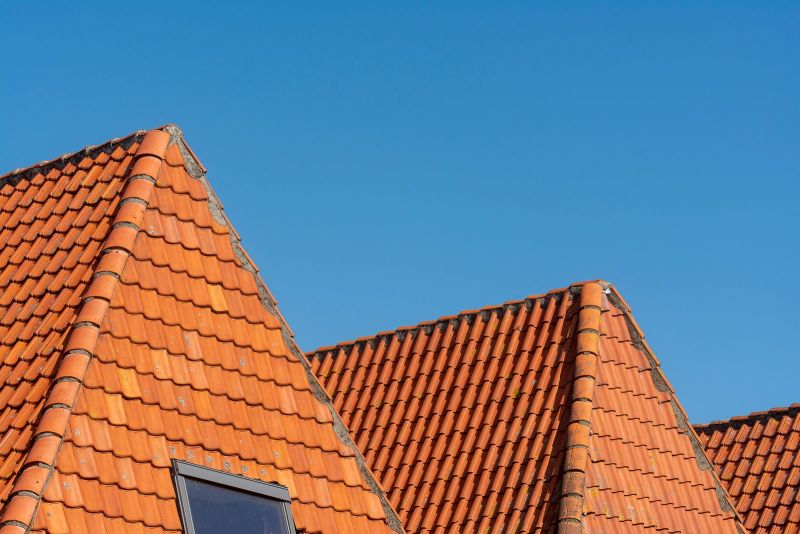
Re-pointing or re-dressing existing flashing around a chimney typically costs £200-£450, while a full lead flashing replacement runs £350-£800 depending on stack size and access. St Helens terraces almost all have chimneys, many of them now unused since homes switched to gas central heating, and an abandoned stack that never gets looked at is a classic leak source - the flashing perishes quietly for years.
If your damp patch sits near a chimney breast, the odds are heavily on the flashing rather than the roof covering. A small re-point now routinely saves a stripped-and-rebuilt stack later, so it's worth prioritising over cosmetic jobs.
Moss, Damp, and the North West Climate
St Helens' wet, mild weather is perfect for moss, and a north-facing slate roof here can carry a thick green mat within a few years. Moss holds water against the surface, lifts the edges of slates, and blocks the gaps tiles need to drain and breathe, so it's more than just an eyesore.
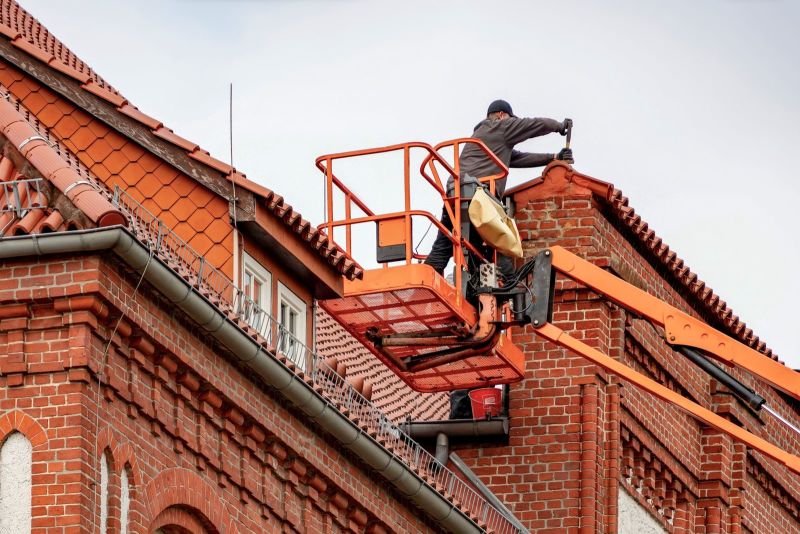
A professional soft-brush moss removal and roof clean typically costs £300-£700 for a terrace, depending on pitch and access. It's worth doing properly - jet-washing an old slate roof can strip the surface and force water under the laps, causing more harm than the moss ever would. The Met Office UK climate averages confirm the North West takes noticeably more rainfall than the England average, which is exactly why moss and damp problems here outpace drier regions.
Left alone, moss and blocked gutters push damp back into the fascia and wall, turning a £400 clean into a much bigger repair. An annual gutter clear and a moss check every couple of years is cheap insurance on a St Helens roof.
What Repairs Cost and How to Read a Quote
A price on its own tells you very little, so knowing what a fair quote looks like protects you more than any price list. Get at least two quotes for anything over about £500, and be wary of an outlier that's dramatically cheaper - it usually means access or materials have been quietly left out and will reappear later as an extra.
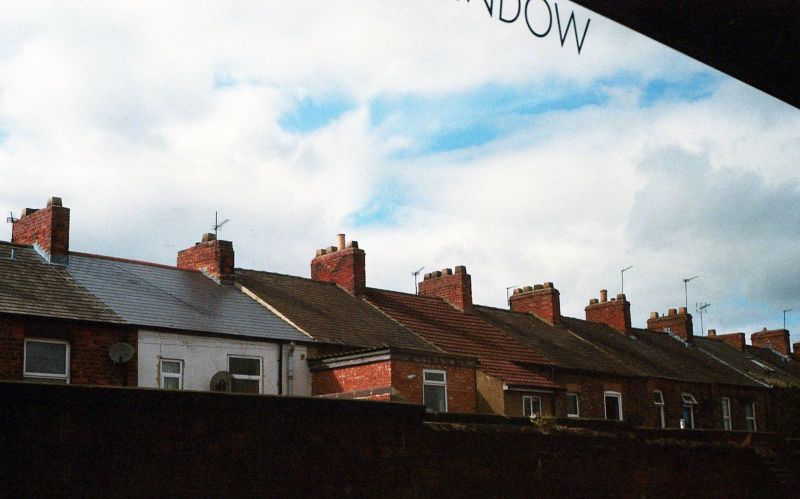
Access is the biggest hidden variable. Reaching a fault on a single-storey extension is quick, but the same fault on a three-storey Sutton terrace facing the road may need a tower or scaffold, adding £150-£400 before a single slate is touched. A good quote itemises the fault, the fix, the access method, and whether the repair is temporary or permanent. Vague one-liners like "repair roof - £600" give you nothing to compare.
St Helens sits right in the M62 and M6 trades corridor between Liverpool, Warrington, and Wigan, so there's a healthy supply of roofers and that competition keeps repair rates keener than in rural Cheshire or Lancashire.
Who to Call and How to Vet Them
Picking the right firm matters more than shaving £50 off a quote, because a botched repair on an old slate roof costs far more to put right. Roughly 1 in 5 out-of-hours roofing callouts turn out to be blocked gutters or condensation rather than an actual roof fault, so a roofer who diagnoses honestly before selling you a big job is worth finding.
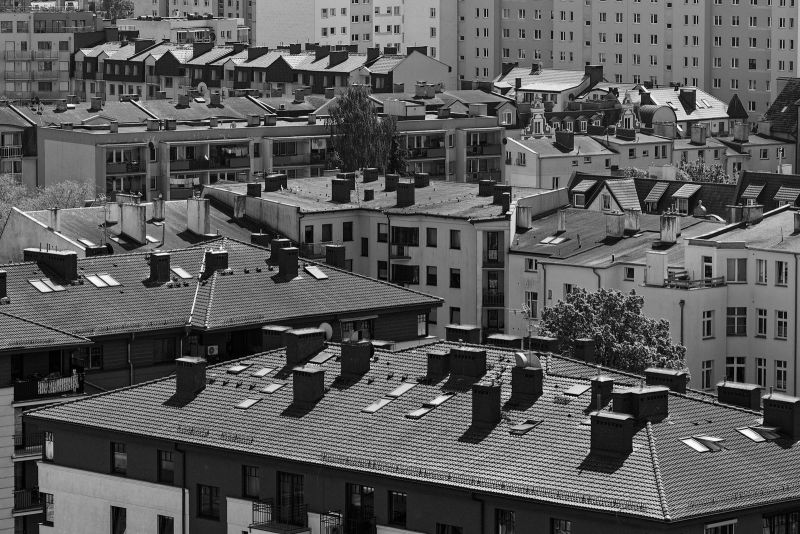
Check any firm on the TrustMark register of government-endorsed tradespeople before you commit - it takes about a minute and confirms they're vetted. For bigger jobs, look for membership of a recognised trade body such as the National Federation of Roofing Contractors, whose members work to defined standards and offer insurance-backed guarantees. Ask for references from recent local jobs, and be confident asking for the scope in writing.
Insurance-backed guarantees matter most on the expensive work - a re-slate or a full flat roof recover should come with a workmanship warranty, not just a handshake. On a terraced roof that has to last another few decades in the North West rain, that paperwork is the difference between a repair and a recurring headache.
---
FAQ
Q: How much does a roof repair cost in St Helens in 2026?
A: Most one-off roof repairs in St Helens fall between £150 and £1,200, with the average around £400-£500. Slipped slates or tiles are cheapest at £80-£220, ridge mortar re-bedding runs £300-£600, chimney flashing is £200-£800, and a professional moss removal and roof clean is typically £300-£700.
Q: Why do slates keep slipping off my St Helens terrace?
A: It's usually "nail sickness" - the iron nails holding the slates corrode and fail long before the slate itself does, which is common on the Victorian and Edwardian roofs around Sutton, Parr, and Thatto Heath. Once one area goes, neighbouring fixings are often close behind, so if a slope keeps shedding slates a full re-slate is usually cheaper than repeated patch repairs.
Q: Is moss on my roof actually a problem?
A: Yes. In St Helens' wet, mild climate moss builds up fast, especially on north-facing slopes. It holds water against the slates, lifts their edges, and blocks drainage, which shortens the roof's life. A soft-brush professional clean costs around £300-£700 - avoid jet-washing an old slate roof, as high pressure can strip the surface and force water under the laps.
Q: How do I find a trustworthy roofer in St Helens?
A: Get at least two written quotes for anything over £500, check the firm on a recognised scheme such as TrustMark or NFRC membership, and ask for local references. A fair quote itemises the fault, the fix, the access method, and whether the repair is temporary or permanent, and bigger jobs should carry an insurance-backed workmanship guarantee.
---
Ready to work with us?
We're here to help. Give us a call on 01264 554568 or fill out our short form below.