Flat Roof Replacement Costs in Warrington: EPDM, GRP and Felt Compared for 2026
Warrington has an unusual amount of flat roof for a town its size, and there is a straightforward reason. It was designated a New Town in 1968, and the building that followed through the 1970s across Birchwood, Callands, Westbrook, Woolston and Padgate came with flat-roofed dormers, flat-roofed garages, flat link extensions and flat porches as standard. Most of those roofs are now 45 to 55 years old on a covering originally expected to last 15 to 20. A full replacement in Warrington runs £75 to £180 per square metre depending on the system, so £1,800 to £4,300 on a typical 24m² rear extension. The bigger surprise for most people is the insulation. Replace the covering and Building Regulations usually make you upgrade what is underneath, and that changes the number.
Why Warrington Flat Roofs Are Failing Now, All At Once
Original 1970s flat roofs were three-layer bitumen felt on chipboard or plywood deck, with 25mm to 50mm of insulation if any at all. Felt of that era hardens, loses its oils, and cracks. It typically gave 15 to 20 years, so most of these roofs have already been recovered once, sometimes twice, and each recovering added weight and trapped moisture in the deck below.
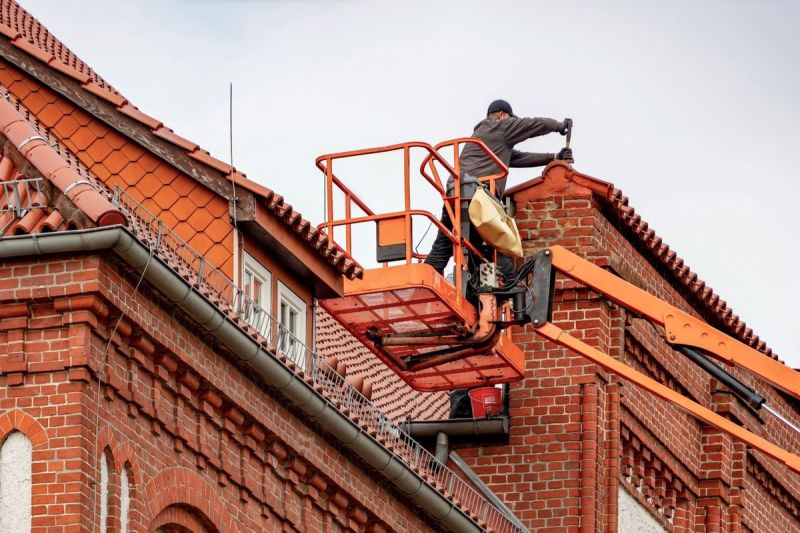
Warrington's climate does not help. Around 830mm of rain a year over roughly 150 wet days, sitting in the Mersey valley with high humidity, and enough freeze-thaw cycling in January and February to open up any hairline crack that has already formed. A flat roof here rarely gets a proper dry spell to recover.
The tell that a recovering is no longer viable is softness underfoot. If the deck moves when you walk on it, the chipboard has gone and no new covering will fix that. If you want it looked at properly rather than guessed at from a photo, you can book a survey through the Northwest Roofing Contractors website.
The Three Systems and What They Cost in Warrington
Supplied and fitted prices, including a new OSB3 deck, for the Warrington area in 2026:
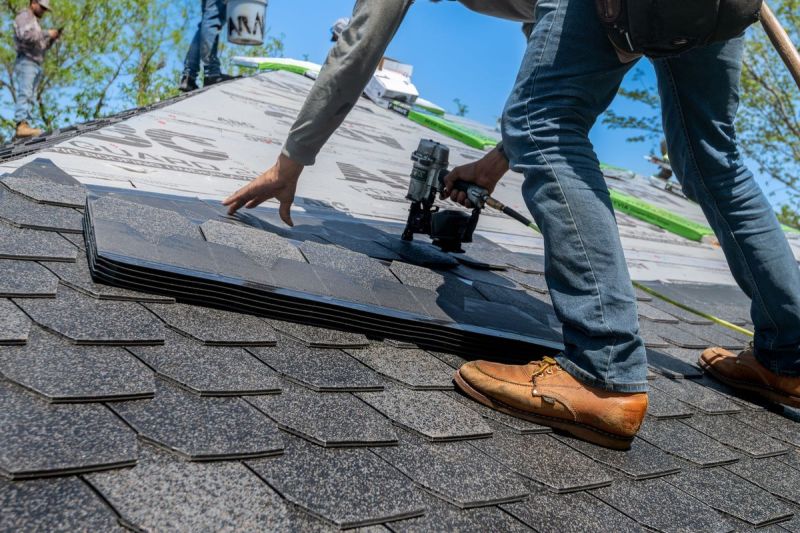
- Three-layer torch-on felt: £75 to £110 per m²
- EPDM rubber single-ply membrane: £90 to £135 per m²
- GRP fibreglass laid in situ: £110 to £180 per m²
On real jobs that translates roughly as follows. A 12m² porch or bay roof: £900 to £2,100. A 24m² rear extension: £1,800 to £4,300. A 40m² full-width extension or large dormer: £3,000 to £7,200. A single garage at around 15m²: £1,150 to £2,700.
Add £30 to £55 per m² if the joists need attention rather than just the deck, and £250 to £600 for new fascia, drip trims and a gutter. Access matters too - a roof reached over a conservatory or through a narrow side alley in a Woolston semi can add £200 to £500 in scaffold or crash-deck.
Part L: The Bit That Changes the Price
This is the item that turns a £2,000 quote into a £3,200 quote, and homeowners are rarely warned.
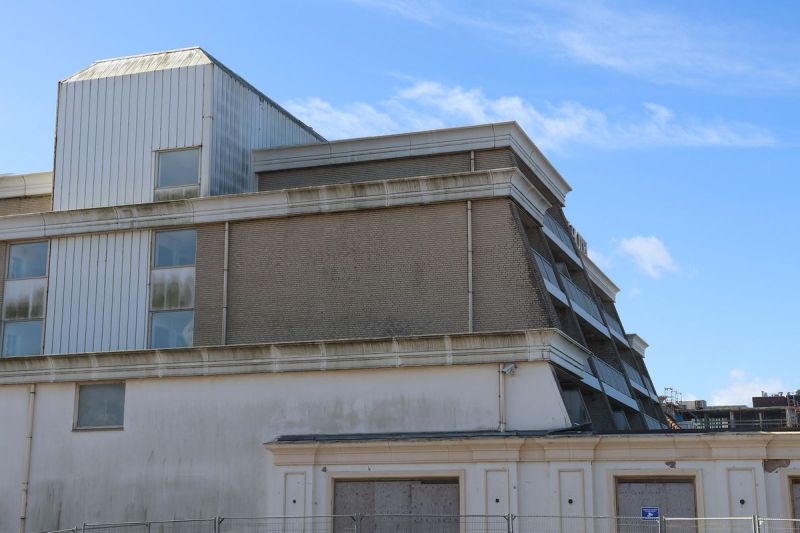
When you replace more than 50% of a flat roof covering, Building Regulations treat it as a renovation of a thermal element. The insulation has to be upgraded to a U-value of 0.18 W/m²K for a flat roof, which in practice means 120mm to 150mm of PIR board depending on the product. Building regulations approval explains when an application is required, and the technical requirement sits in Approved Document L within the government's Approved Documents collection.
The exemption is where it is not technically or functionally feasible, or where the payback exceeds 15 years. On a flat roof it usually is feasible, so plan for it.
Practically, 150mm of insulation raises the roof level by 150mm. That has knock-on effects: door thresholds, window cills above the roof, the flashing height into the house wall. On a 1970s Warrington extension with an upstairs window sitting 300mm above the roof deck, there is not always room, and that is a conversation to have before the quote is signed rather than on day two of the job.
Warm deck or cold deck
A warm deck puts the insulation above the deck and below the membrane. It keeps the structure warm, avoids interstitial condensation, and needs no ventilation void. It is the right answer for almost every replacement.
A cold deck puts insulation between the joists with a 50mm ventilated air gap above it. It preserves the roof height, which is why it survives on jobs where the level cannot rise, but it demands genuine cross-ventilation at both ends. Half the cold decks we open up in Warrington have had the vents blocked by later insulation top-ups, and the condensation rotted the deck from underneath. If the roof can rise, make it warm.
Which System for Which Job
EPDM is the default for most Warrington houses. One sheet, no seams across a normal extension, no heat used on site, and it stays flexible down to well below anything a Cheshire winter produces. Expect 30 to 50 years. It is slightly soft underfoot and it will not love a roof that gets walked on weekly.
GRP is the one to pick when the roof is a balcony, a walk-on terrace, or a roof that is overlooked from a bedroom and needs to look sharp. It gives a hard, seamless finish with neat trims. The catch is weather: it needs a dry day above about 5°C to cure, which in Warrington rules out a good part of December to February, and it is less tolerant of movement in the structure below.
Felt is still fine when specified properly. A three-layer torch-on system with a mineral cap sheet from a decent manufacturer will give 15 to 25 years for the lowest outlay. On a garage, an outbuilding, or a house you plan to sell within a decade, it is the sensible economic answer and there is no shame in it.
We covered the same choice on a smaller scale, with the access and asbestos issues that come with detached garages, in our guide to garage roof replacement in Warrington.
Falls, Outlets and Where Replacements Actually Fail
A flat roof is not flat. It needs a minimum finished fall of 1:80, and because timber deflects, designers work to 1:40 so the finished result still achieves 1:80. Plenty of 1970s Warrington roofs were built dead level and have ponded ever since. Ponding will not immediately destroy EPDM, but it holds grit, encourages algae, and finds any weakness in a seam.
Replacement is the moment to fix the fall with tapered insulation or firrings. It adds £15 to £35 per m² and it is the difference between a roof that lasts its rated life and one that does not.
Outlets are the other failure point. A single 63mm outlet on a 40m² roof is undersized for the intensity of rainfall the North West now sees. Two outlets, or one plus an overflow, is standard practice and cheap while the roof is off.
Getting Quotes That Compare
Ask every quote to state the same six things, or you are comparing numbers rather than roofs: deck material and thickness, insulation thickness and resulting U-value, warm or cold deck, membrane manufacturer and thickness in millimetres, how the fall is being achieved, and what guarantee is offered on materials versus workmanship.
Membrane thickness in particular gets glossed over. EPDM at 1.2mm and EPDM at 1.5mm are both "EPDM" and are not the same product. Anyone quoting flat-roof work should be able to show current public liability cover, and membership of a body like the National Federation of Roofing Contractors, whose members are re-inspected every three years.
Expect a 10 to 20 year manufacturer-backed guarantee on EPDM or GRP where the installer is trained by that manufacturer, and 12 to 24 months on workmanship. Those are two separate documents. Ask for both.
Frequently Asked Questions
How much does it cost to replace a flat roof in Warrington?
Between £75 and £180 per square metre supplied and fitted including a new deck, depending on system. That puts a 24m² rear extension at £1,800 to £4,300, a single garage at £1,150 to £2,700, and a 40m² extension or large dormer at £3,000 to £7,200. Insulation upgrades and deck repairs are additional.

Do I need to add insulation when replacing a flat roof?
Usually yes. Replacing more than 50% of the covering triggers the thermal element rules in Approved Document L, requiring a U-value of 0.18 W/m²K, which is around 120mm to 150mm of PIR insulation. The main exemption is where it is not technically feasible or the payback exceeds 15 years.
Which lasts longer, EPDM or GRP?
EPDM typically carries a 30 to 50 year expected life and stays flexible in cold weather. GRP gives around 25 to 30 years with a harder walk-on surface but is less tolerant of structural movement and can only be laid in dry conditions above roughly 5°C, which limits winter installation in Warrington.
Why do so many Warrington houses have flat roofs?
Warrington was designated a New Town in 1968, and the housing built through the 1970s across Birchwood, Callands, Westbrook, Woolston and Padgate used flat-roofed garages, dormers, porches and link extensions extensively. Those coverings were built for 15 to 20 years and most are now well past 45.
Ready to work with us?
We're here to help. Give us a call on 01264 554568 or fill out our short form below.