How Long Does a Roof Last in Warrington? Signs, Ages and 2026 Costs
Ask how long a roof lasts in Warrington and you'll get a different answer from every roofer, because it depends on what's up there and when it went on. A concrete tiled roof on a Birchwood estate house usually manages 50 to 60 years. Welsh slate on a Victorian terrace can pass 100. A felt flat roof on the back extension might give you 15. The catch is that the covering is rarely what gives out first. Ridge mortar, flashings and the underlay often fail 20 or 30 years before the tiles do. Warrington gets around 830mm of rain a year, which is less than the UK average of roughly 1,160mm, but it falls across about 140 wet days, so roofs here are rarely dry for long between October and March. Here's what fails at each age, and how to tell whether yours needs a repair or a replacement.
How Long Does a Roof Last in Warrington? The Short Answer by Material
If you know what your roof is made of, you can get a rough idea of where it is in its life. These figures suit Warrington, which is wet but not exposed.
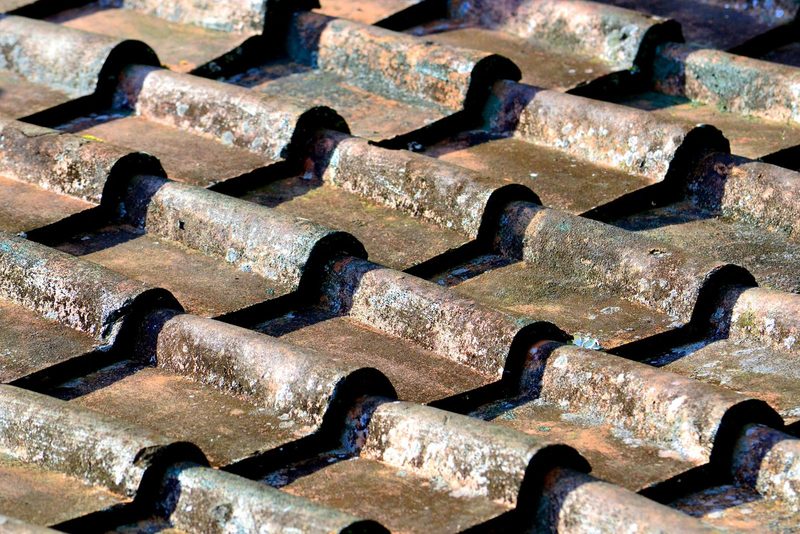
- Concrete interlocking tiles: 50 to 60 years, sometimes 70 on a sheltered roof
- Clay tiles (machine-made): 60 to 80 years, handmade clay can go well past 100
- Welsh slate: 80 to 150 years, and the slate often outlives two sets of nails
- Imported slate: anywhere from 20 to 80 years, depending heavily on grade
- Felt flat roofs: 10 to 15 years for older built-up felt, 15 to 25 for modern torch-on
- EPDM rubber: 25 to 40 years if it's laid properly
- GRP fibreglass: 25 to 35 years
These assume a roof that was fitted well, and a bad one can fail in half the time. If you're not sure what you've got, the team at Northwest Roofing Contractors can take a look and tell you roughly how much life is left.
Why imported slate is such a lottery
Cheap imported slate became common on Warrington re-roofs from the 1990s. The better grades are fine. The poorest contain iron pyrites that rust, streak orange and split, sometimes within 20 years. Rusty marks running down from small spots tell you which kind you have.
The Parts That Wear Out Before the Tiles Do
Most of the "my roof is failing" calls we get turn out to be about one part of the roof, not the whole covering. Each part wears out on its own timetable.
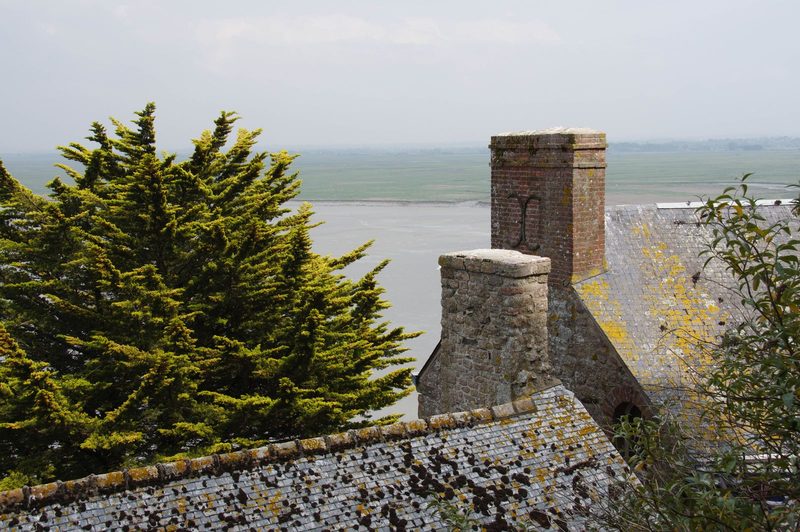
- Ridge and hip mortar: 20 to 30 years before it cracks and lets ridge tiles loosen
- Mortar verges at the gable ends: 15 to 25 years
- Lead flashings: 50 to 80 years for the lead itself, but the mortar pointing holding it in the brickwork lasts 15 to 25
- Bitumen felt underlay: 30 to 50 years before it goes brittle and tears where it sags between rafters
- Timber battens: 40 to 70 years, less if the roof space has been damp
- Nails on slate roofs: 60 to 100 years before "nail sickness" sets in and slates start sliding
That's why a 35-year-old concrete roof can look tired even though the tiles have decades left. Re-bedding a ridge costs £400 to £1,200 on a typical semi in 2026, and re-pointing flashings around a chimney is usually £250 to £600. Neither means you need a new roof.
Wear and tear, and why it matters for insurance
Wear and tear is also the phrase insurers use to turn down claims, blaming age rather than wind when a storm hits a roof that was already past its best. We've covered this in more detail in our guide to roof insurance claims in Warrington and the storm damage vs wear and tear question.
How Long Does a Roof Last on Warrington's Different House Types?
Warrington's housing spans 150 years, so its roofs are at very different stages.
Victorian and Edwardian terraces
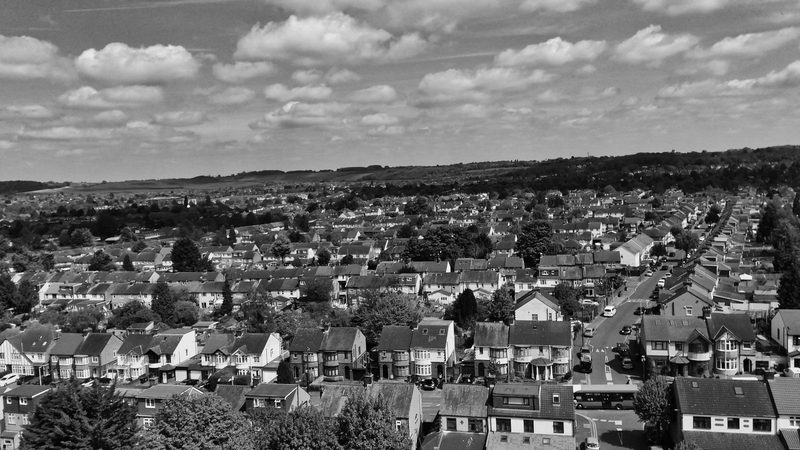
The older terraces near the town centre, Latchford and parts of Stockton Heath were mostly built with Welsh slate between about 1870 and 1914. Many still have original slate, now 110 to 150 years old. The slate itself is often fine. But many were built with no underlay, and the nails and battens are worn out. Where the slate is sound, a strip and re-lay using the same slate on new battens and breathable membrane is an option, typically £10,000 to £16,000 for a mid-terrace in 2026.
Interwar and post-war semis
Semis from the 1920s to 1950s often had clay tiles or early concrete tiles. Any that haven't been re-covered are well past their expected life. Many were re-roofed in concrete in the 1970s or 80s, so those coverings are 40 to 50 years old now and heading into their final stretch.
1970s and 1980s new town estates
Birchwood, Padgate, Westbrook and the other new town estates were built fast between roughly 1970 and 1990, nearly all with concrete interlocking tiles on trussed rafters. Those roofs are now 35 to 55 years old. The earliest are reaching the point where replacement beats patching, and most ridges and verges have been redone at least once already.
New builds
Roofs on homes built since 2000 should have decades left on the covering. Problems this young are about workmanship, not age. Dry ridge systems and dry verges have replaced mortar on most new builds, which removes the main 20-year failure point.
Warning Signs Your Roof Is Near the End
Age on its own doesn't settle it. We look for these signs, and two or three together usually mean the roof is close to finished.
- Tiles or slates slipping in several places rather than one or two
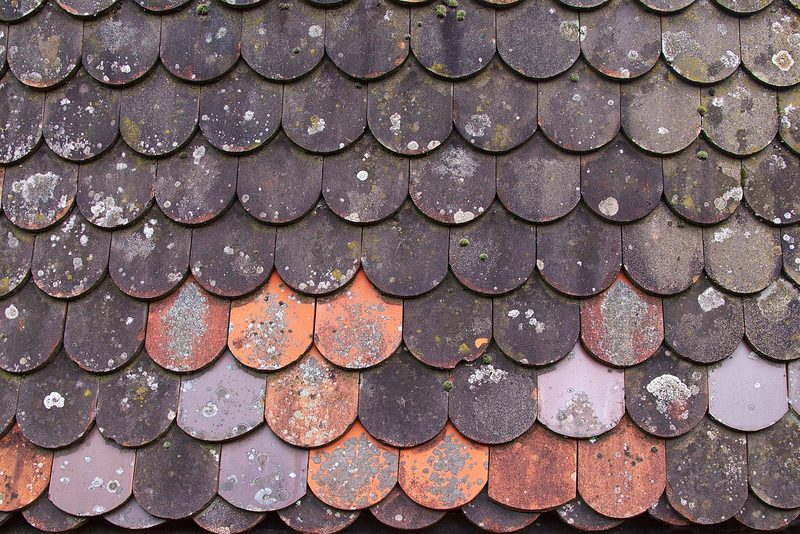
- Concrete tiles that have gone soft and flaky, with the surface worn down to the aggregate
- Daylight visible through the roof from inside the loft
- Underlay that crumbles when you touch it or hangs in torn strips
- Sagging between rafters, seen from the road as a dip in the roof line
- Damp patches on bedroom ceilings that come back after each repair
- Moss thick enough to hold water in the tile laps year-round
The weather plays its part. With around 140 days of rain a year and long damp spells through winter, concrete tiles absorb water and lose their surface faster here than in drier parts of the east. You can see how Warrington's rainfall compares on the Met Office UK climate averages maps. A roof with one or two of these signs is a repair job. Four or five usually points to a replacement within the next few years.
You can check most of this without a ladder: binoculars from across the street for the tile lines and ridge, and a torch in the loft on a bright afternoon for daylight and stained timber.
Repair or Replace: When a Warrington Roof Has Had Its Day
The real question is whether repairs will keep it watertight long enough to be worth the money. Our rule of thumb: if the roof has passed about 75% of its expected life and the repair quote is more than 25% to 30% of the cost of a new roof, replacing it usually makes more sense.
Here's how that plays out in 2026 prices:
- Replacing a few slipped tiles: £150 to £400
- Re-bedding or converting a ridge to dry ridge: £400 to £1,200
- Re-roofing a three-bed semi in concrete tiles: £8,000 to £13,000
- Re-roofing a Victorian mid-terrace in new slate: £9,000 to £16,000
- Replacing a 15 to 20 square metre flat roof in EPDM or GRP: £1,500 to £3,000
So a 50-year-old concrete roof on a Padgate semi that needs £3,000 of work to the ridge, verges and three areas of slipped tiles is a strong candidate for replacement. The same £3,000 on a 20-year-old roof would be money well spent.
The paperwork side of a full re-roof
Re-covering more than a quarter of a pitched roof usually needs Building Regulations sign-off, either through your roofer's competent person scheme or Warrington Borough Council's building control. Renovate more than half the roof and the Approved Document L guidance on conservation of fuel and power may also require you to bring loft insulation up to standard, adding roughly £400 to £1,000.
How to Get More Years Out of Your Roof
A roof that's looked after lasts much longer than one that's left alone, and most of what helps is cheap. Clear the gutters once or twice a year, because overflowing gutters soak the bottom row of battens. Fix single slipped tiles straight away, before water gets under the laps and starts on the underlay.
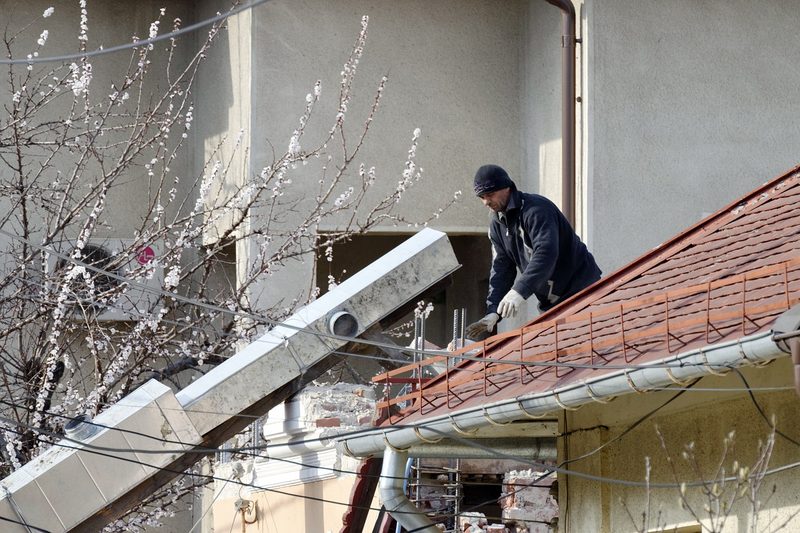
Every five years or so, get someone up to check the ridge, verges and flashings. That costs around £100 to £200 and catches the 20-year failures early. Keep moss in check, but never pressure wash concrete tiles - it strips the surface and takes years off them. And make sure the loft is ventilated, so the battens and underlay stay dry through a Warrington winter.
Done consistently, this can add 10 to 15 years to a concrete roof, which is a decent return on a few hundred pounds.
Finding a Roofer in Warrington to Give You an Honest Answer
The North West has been short of skilled roofers for years, and good Warrington firms are often booked four to eight weeks ahead in spring and autumn. Cold callers fill that gap, often telling people they need a new roof when a repair would do.
Ask for photos of the problem, the roofer's estimate of the roof's age, and both a repair and a replacement price where both are realistic. You can check whether a firm is registered with TrustMark, the government-endorsed quality scheme for trades, and ask how long their workmanship guarantee runs. On a full re-roof, ten years is normal.
Frequently Asked Questions About How Long a Roof Lasts in Warrington
How long does a concrete tile roof last in Warrington?
Usually 50 to 60 years. A roof on a 1970s Birchwood or Padgate estate house is probably in its last 10 to 20 years, though the ridge and verges will need work well before that.
Can a 100-year-old slate roof be saved?
Often, yes. Welsh slate can last 150 years, so the slates on a Victorian terrace may still be sound. What usually fails is the nails and battens. A strip and re-lay on new battens and membrane keeps the original slate and the look of the street.
How do I know if my roof needs replacing rather than repairing?
Look for several problems at once, such as slipping tiles, crumbling underlay and leaks that keep coming back. If the roof is past about three-quarters of its expected life and the repair quote is more than a quarter of the cost of a new roof, replacement is usually the better spend.
Ready to work with us?
We're here to help. Give us a call on 01264 554568 or fill out our short form below.