
Roof Insurance Claims in Warrington: Storm Damage vs Wear and Tear, and How to Get Paid
A roof insurance claim in Warrington usually starts the morning after a bad night: tiles on the drive, a damp patch on the bedroom ceiling, a gap in the ridge. Most homeowners assume that's exactly what buildings insurance is for. Often it is. But storm damage is one of the most commonly declined home insurance claims in the UK, and the reason is nearly always the same: the insurer decides the roof failed because it was old, not because the weather was bad. Warrington takes around 830mm of rain a year, a little under the UK average of roughly 885mm but spread over a lot of grey, damp days, and Atlantic low pressure systems funnel up the Mersey corridor with very little high ground to slow them down. So the roof takes a steady beating between storms, too. This guide covers how insurers define a storm, where the line sits between storm damage and wear and tear, and what you can do to make a roof insurance claim in Warrington actually pay out.
What Your Insurer Means by "Storm Damage"
Your policy probably doesn't define "storm" in the wording, but insurers and the Financial Ombudsman work to a fairly consistent idea of one. Broadly, it means wind gusts of at least 47mph to 55mph, heavy rain of around 25mm or more in an hour, or significant hail or snow. A breezy night with 35mph gusts won't count, however many tiles end up in the garden.
The insurer will check the weather records for your postcode on the date you give them. That's why the date matters so much. Warrington typically sees a handful of days a year with gusts over 50mph, mostly between October and March, and named storms in recent winters have pushed gusts in the North West well past 60mph. If your damage lines up with one of those nights, you're in a strong position. If you're not sure your roof is up to scratch before winter, Northwest Roofing Contractors can take a look and tell you honestly what an insurer is likely to make of it.
The three questions the Ombudsman asks
When storm complaints reach the Financial Ombudsman, it works through three questions. Were there storm conditions on or around the date of the damage? Is the damage consistent with what a storm typically causes? And were the storm conditions the main cause of the damage? You need a "yes" to all three. Most declined roof claims fall at the third question.
Storm Damage vs Wear and Tear: Where Roof Claims Fall Down
Every buildings policy excludes wear and tear, and roofs are where that exclusion bites hardest. A tile that blows off a sound roof in a 60mph gust is storm damage. A tile that slides off because its nail rusted through ten years ago, and the storm was simply the last push, is often treated as wear and tear. The storm happened. In the insurer's eyes, it just wasn't the main cause.
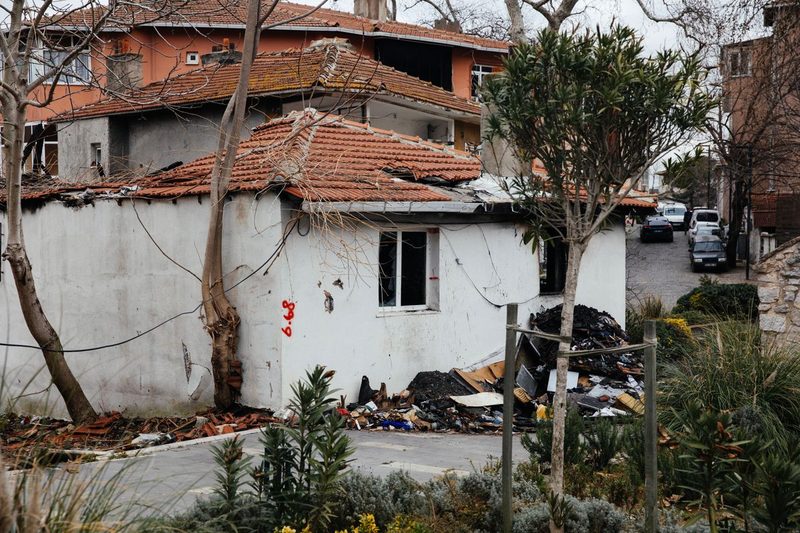
Warrington's housing makes this a real issue. A large share of the town's homes are Victorian and Edwardian terraces, interwar semis and post-war estates, many still on their original or first-replacement roofs. Concrete interlocking tiles have a working life of roughly 50 to 60 years, but the mortar on ridges and verges often lasts only 20 to 30, and felt underlays from the 1960s and 70s go brittle long before that. A loss adjuster looking at crumbling ridge mortar will usually say the ridge was already failing.
What usually gets paid, and what usually doesn't
Claims that tend to succeed:
- Tiles or slates lifted and broken across an otherwise sound roof
- Ridge tiles blown off where the bedding was in decent shape
- Damage from a fallen tree, aerial or chimney pot during high winds
- Flat roof coverings peeled back at the edges in a gale
Claims that tend to fail:
- Ridge or verge mortar that had cracked and dropped out over years
- Leaks through flat roofs that had been ponding water for months
- Slipped slates where nail fatigue (sometimes called "nail sickness") is widespread
- Moss-blocked gutters overflowing into walls
Gradual Damage and Maintenance Clauses
Alongside wear and tear, most policies exclude "gradual deterioration" and expect you to keep the property in reasonable repair. In plain terms, if water has been getting in slowly for months, the insurer will usually say that's a maintenance problem rather than a sudden event. Brown, tide-marked stains on a ceiling, rotten battens and black mould in the loft all point to a slow leak, and an adjuster will spot them in minutes.
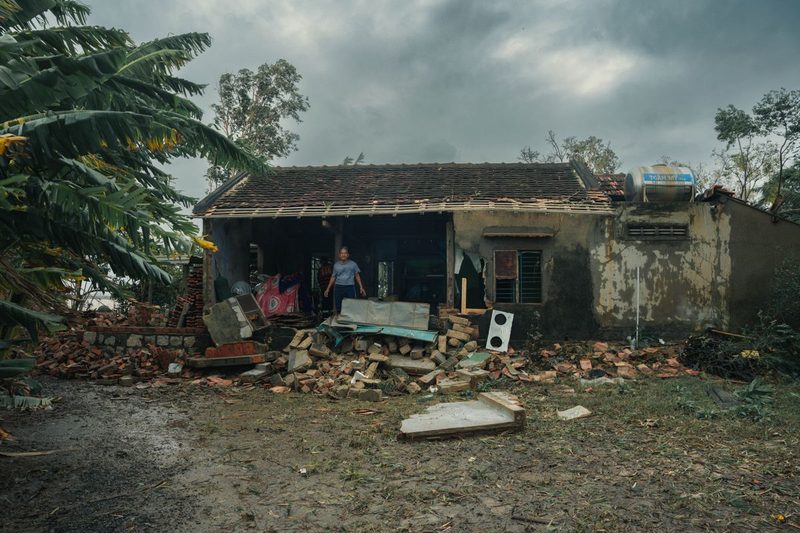
This is where Warrington's climate works against you. With rain on something like 150 days a year, a small defect gets wet often enough to do real damage long before anyone notices. By the time a storm finishes the job, the loft can tell a story of a leak that started two or three winters earlier. That doesn't automatically kill the claim - the storm damage itself may still be covered - but expect the insurer to separate the two and pay for only the part caused by the storm.
Keeping records helps
If your roof has been checked or repaired in the last few years, keep the invoices and any photos. A dated report saying the roof was in fair condition 18 months ago is one of the best answers you can give to a wear-and-tear argument. We've written a separate guide on what to check on your roof after a storm in Warrington and when to call a professional, which is worth reading before you pick up the phone to your insurer.
Evidence to Gather Before You Make a Roof Insurance Claim in Warrington
Insurers decide most roof claims on paper. Good evidence wins them. Aim to collect it within 24 to 48 hours of the damage.
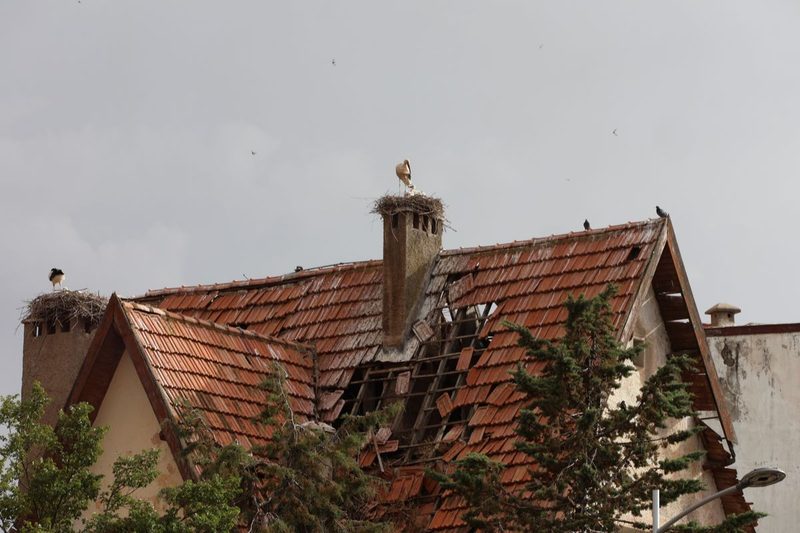
1. Photos and video. Take wide shots of the whole roof from the street and the garden, then close-ups of any debris, broken tiles and internal damage. Don't climb up yourself. Most phones will timestamp images automatically. 2. A dated roofer's report. Ask a roofer to inspect and write up what failed, why, and what it'll cost to fix. A good report states clearly whether the damage is consistent with high winds and whether the surrounding roof was sound. 3. Weather data. Note the date and time. The Met Office storm centre lists named storms, and many insurers will check gust speeds from the nearest weather station themselves. 4. Damaged items. Keep broken tiles, slates or flashing if it's safe to do so. Adjusters sometimes want to see them.
Report the claim promptly. Most policies require you to tell the insurer "as soon as reasonably possible", and a delay of several weeks gives them room to argue the damage got worse because nothing was done.
Emergency Repairs, Excess and Loss Adjusters
You're expected to stop further damage, so getting a tarpaulin or temporary fix on the roof straight away is usually the right call. Most insurers will reimburse reasonable emergency repair costs as part of a valid claim, typically £150 to £500 for a temporary cover on a Warrington semi depending on access. Tell the insurer before any permanent work if you can, take photos before the roofer covers anything up, and keep the invoice. Don't let anyone strip and rebuild the damaged section before the insurer has seen the evidence.

Then there's the excess. Many buildings policies carry a compulsory excess of £100 to £250, and some add a higher excess for storm or escape-of-water claims, sometimes £500 or more. If the repair is a couple of slipped tiles at £200 to £350, it may cost you more in lost no-claims discount than you'd get back. Check your schedule before you claim.
What a loss adjuster does
For larger claims, roughly anything over £2,000 to £5,000 depending on the insurer, you'll probably get a visit from a loss adjuster. They work for the insurer, not you. They'll look at the age of the roof, the condition of the areas that weren't damaged, and whether the damage pattern fits wind. Be present if you can, have your photos and roofer's report ready, and ask them to explain any decision in writing. You're entitled to appoint your own loss assessor, though they usually take 5% to 10% of the settlement.
Finding a Roofer in Warrington After a Storm
After a big storm, demand for roofers in Warrington jumps overnight. The town sits between Liverpool and Manchester, and the whole North West gets hit by the same weather systems, so contractors are stretched across a wide area at once. Waits of two to four weeks for non-emergency repairs are normal after a named storm, and that pressure is exactly when doorstep traders appear.
Be wary of anyone who knocks on your door offering to "deal with the insurance" for you, or asks for a large cash deposit before the insurer has agreed the claim. A genuine local roofer will give you a written quote and a report your insurer can use, and won't mind if you get a second opinion. If your house is listed or in one of Warrington's conservation areas, check with Warrington Borough Council before replacing roof materials with anything different, as like-for-like rules can affect both the repair and what the insurer will pay for.
What to Do If Your Roof Claim Is Declined
A refusal isn't always the end. Insurers do get roof claims wrong, and the Financial Ombudsman upholds a meaningful share of the storm complaints it reviews, often where the insurer relied on wear and tear without good evidence.
Steps to challenge the decision
1. Ask for the decision and the reasons in writing, along with any adjuster's report and the weather data they used. 2. Get your own roofer's report if you haven't already, specifically addressing whether the roof was sound before the storm. 3. Make a formal complaint to the insurer. They have eight weeks to give a final response. 4. If you're still unhappy, or eight weeks pass, take it to the Financial Ombudsman Service's home insurance team. It's free, and you have six months from the final response to refer it.
Stay calm and stick to facts. A clear timeline, photos and a roofer's opinion carry far more weight than a long, angry email.
Frequently Asked Questions
What wind speed counts as a storm for a roof insurance claim?
Most UK insurers and the Financial Ombudsman treat gusts of around 47mph to 55mph or more as storm conditions. Heavy rain of about 25mm an hour, hail or heavy snow can also count. Your insurer will check weather records for your postcode on the date of the damage.

Will my insurer pay for emergency roof repairs in Warrington?
Usually, yes, if the main claim is accepted. Insurers expect you to prevent further damage, so a reasonable temporary repair such as a tarpaulin is normally reimbursed. Photograph the damage first, keep the invoice and tell your insurer as soon as you can.
Why was my storm damage roof claim rejected?
The most common reason is wear and tear. If the insurer decides the roof was already failing - cracked ridge mortar, rusted nails, old brittle felt - it can say the storm wasn't the main cause. A dated roofer's report showing the roof was sound before the storm is the best way to challenge this.
Can I complain to the Financial Ombudsman about a declined roof claim?
Yes. Complain to your insurer first. If they reject your complaint or don't respond within eight weeks, you can refer it to the Financial Ombudsman Service for free within six months of their final response.
Ready to work with us?
We're here to help. Give us a call on 01264 554568 or fill out our short form below.