
Spray Foam Insulation Removal in Warrington: Mortgages, Surveys and 2026 Costs
Spray foam insulation removal in Warrington has gone from a rare job to a regular one in about five years. The foam was sold hard on doorsteps and over the phone between roughly 2015 and 2022, often to older homeowners, with promises of 30-40% off heating bills. Now the same houses are coming up for sale or remortgage, and the surveyor can't see the rafters. Many of the big mortgage lenders will decline a property outright or ask for a specialist report before they lend, and buyers walk away. Warrington gets around 850mm of rain a year, below the UK average of roughly 1,160mm, but sitting low in the Mersey valley it's damp and humid for long stretches of autumn and winter. That's exactly the condition that turns trapped moisture under foam into rotten timber. This guide covers why lenders dislike it, how to tell which type you have, what removal involves, and what Warrington homeowners are paying in 2026.
Why Mortgage Lenders and Surveyors Refuse Homes With Spray Foam Insulation
The problem is simple. A surveyor needs to see the roof timbers to say they're sound, and spray foam covers them. If the rafters, battens and the back of the tiles are hidden under 100-150mm of foam, nobody can tell whether there's rot, woodworm or a leak underneath. Lenders don't like lending against something nobody can inspect, so a valuation comes back with a retention, a down-valuation of anything from a few thousand pounds to 10% or more, or a flat refusal.

In 2023 the Royal Institution of Chartered Surveyors put out a consumer guide on spray foam insulation from RICS, which treats spray foam as a major alteration to the roof rather than a quick insulation upgrade. In practice, most surveyors now flag it on every RICS Level 2 or Level 3 survey they do, and many buyers' solicitors will raise it as an enquiry before exchange. Equity release lenders tend to be even stricter than high street ones.
If you've had a valuation knocked back and want to know where you stand, Northwest Roofing Contractors can come out, look at the foam and the roof from both sides, and tell you honestly whether it needs to come out.
Open Cell vs Closed Cell Spray Foam in a Warrington Loft
There are two types, and they behave very differently.
Open cell foam is soft and spongy, a bit like a bath sponge that's set. It's usually off-white or pale yellow and you can squash it with your thumb. It lets some water vapour through, so it can soak up moisture from a leak or condensation and hold it against the timber. It's also the easier of the two to remove, typically 30-40% quicker per square metre.
Closed cell foam is hard and rigid. You can't press a thumb into it, and it's often bonded so firmly to the felt, battens and tiles that it effectively glues the roof together. It was sometimes sold as a cure for slipped tiles or "nail sickness". That's the bigger worry: if the foam is holding the tiles on, the tiles can't be lifted and reused without breaking, and a re-roof becomes far more likely.
Which type is more common round here?
On the houses we see in Warrington, open cell is the more common of the two, especially on 1960s and 1970s new town estates in places like Birchwood, Padgate and Westbrook, where it was often sprayed straight onto the old bitumen felt. Closed cell turns up more on older terraces with no felt at all, where the foam was sprayed onto the back of the slates or tiles to "seal" them.
Condensation and Timber Rot Under Spray Foam
Timber in a roof needs air around it. When foam is sprayed directly onto rafters, any moisture that gets in, through a cracked tile, a leaking valley or warm, damp air from the house below, has nowhere to go. Timber that stays above about 20% moisture content for long periods is at risk of wet rot, and we regularly find rafters reading 25-30% once the foam is cut back.

Warrington makes this worse than it would be in a drier town. Rain falls on around 150 days a year, winters are long, mild and wet, and the low ground near the river and canals holds mist and humid air well into the morning. A roof that never quite dries out from November to March is a roof where trapped moisture does real damage.
How this links to loft condensation
Spray foam is often sold as a fix for a damp loft, but it usually just hides the cause. We've written about loft condensation in Warrington and how roof ventilation fixes it, and the same principles apply here: once the foam is gone, the roof needs proper airflow at the eaves and ridge, or the problem comes straight back.
How to Check if Your Roof Has Spray Foam Insulation
Most people know, because they paid for it. But if you've bought a house recently or inherited one, it's worth a five-minute look.
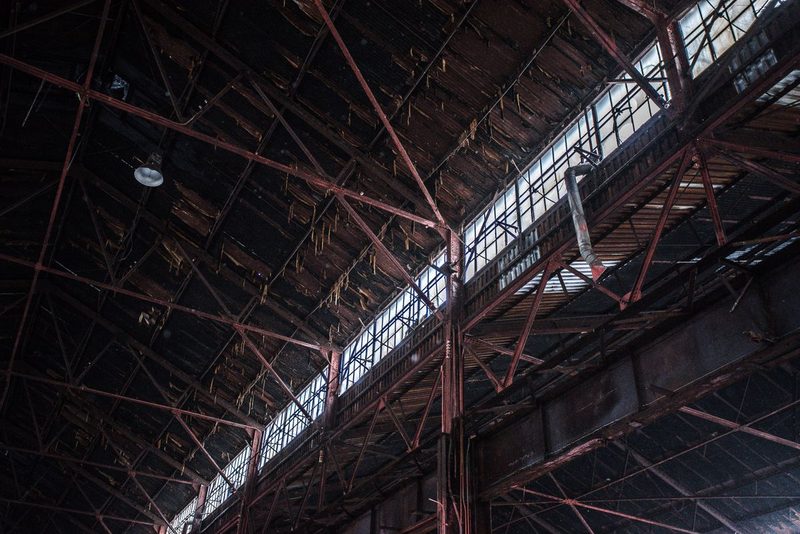
- Go into the loft with a good torch and look up at the underside of the roof between the rafters
- Spray foam looks like a lumpy, solid crust, cream, yellow or grey, covering the felt, the tiles or both
- Press it. Soft and squashy is open cell, hard as a board is closed cell
- Check the paperwork. Installers were meant to provide a certificate and a guarantee, often 25 years, though many of those companies have since dissolved
- Look at the edges near the eaves. If foam has been packed right down into the eaves, ventilation is probably blocked too
Don't cut into it yourself to "have a look" at the timber. You can damage the felt, and some older foams give off fumes when disturbed. Note what you can see, take a few photos, and get a roofer or surveyor to assess it properly.
The Spray Foam Insulation Removal Process Step by Step
Removal is slow, messy work, and doing it well matters more than doing it fast. A typical Warrington semi with a 40-50m² roof takes a two-person team 2-4 days for open cell, and longer for closed cell.
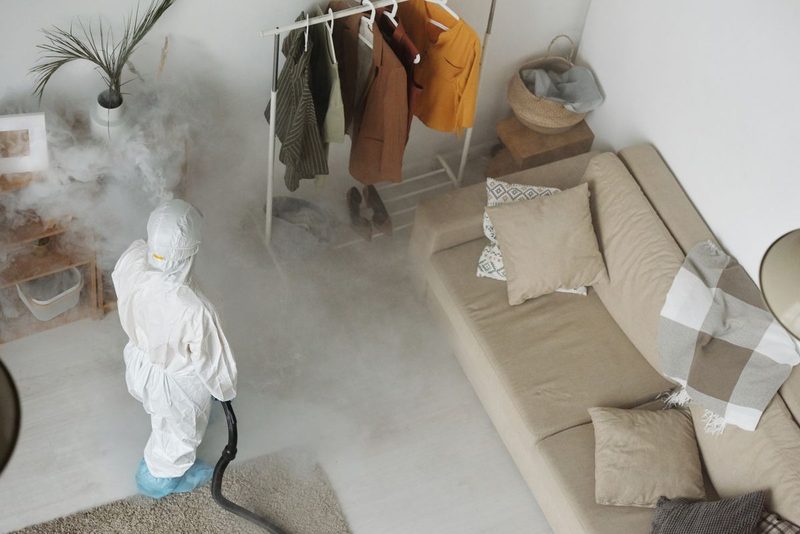
- Survey first. We check the foam type, how far it extends, the condition of the tiles from outside and whether the felt is still intact
- Protect the house. The loft hatch is sealed, floors covered and stored items moved, because the dust gets everywhere
- Cut and scrape. The foam is cut back by hand with long blades and scrapers, bagged as it comes off, and removed from site. Open cell comes away reasonably cleanly. Closed cell often has to be chipped off in pieces
- Moisture readings. Every rafter is checked with a moisture meter, and any rot is cut out and repaired or new timber is sistered alongside
- Report. You get photos and written confirmation that the foam has been removed and the timbers inspected, which is what your lender or buyer's surveyor actually needs
Expect 10-20 bags of waste on an average house. It goes to a licensed waste carrier, not the household bin.
Re-Felting or Re-Roofing After Spray Foam Insulation Removal in Warrington
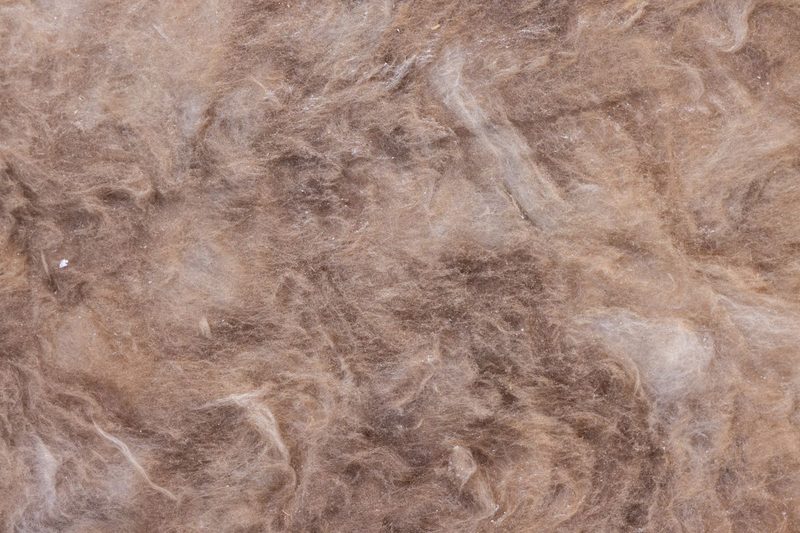
What happens next depends on what's under the foam. If the felt is in decent condition and the foam came away cleanly, the loft can be re-insulated at ceiling level with mineral wool, around 270mm deep, and ventilation checked. That's the cheapest outcome and it's common with open cell foam on newer felt.
If the felt was already old bitumen, or tore when the foam came off, the roof usually needs stripping and re-felting with a breathable membrane. On Warrington's older terraces and 1930s semis, the felt is often 50-60 years old anyway. Where closed cell foam has glued the tiles, expect a 20-40% breakage rate, which often tips the job into a full re-roof. Most standard re-roofs on a pitched house roof don't need planning permission, but if you're in a conservation area or your house is listed, check with Warrington Borough Council before work starts.
Spray Foam Removal Costs in Warrington for 2026
Prices vary with foam type, roof size and what's found underneath. These are typical 2026 figures for Warrington and the surrounding area:

- Specialist inspection or spray foam survey: £250-£600
- Open cell foam removal: £20-£35 per m², usually £1,500-£3,500 for a 2-3 bed house
- Closed cell foam removal: £35-£60 per m², usually £3,000-£6,500
- Timber repairs after removal: £300-£1,500 depending on how much rot is found
- Re-insulating at ceiling level with mineral wool: £500-£1,000
- Strip and re-felt with breathable membrane, reusing tiles: £5,000-£9,000 including scaffolding
- Full re-roof where tiles can't be saved: £8,000-£15,000 for a typical semi
Scaffolding alone is usually £800-£1,600 on a semi. Skilled roofers in Warrington and wider Cheshire are busy, with lead times of 4-8 weeks common in autumn, so if you're mid-sale, book the survey early. Many buyers will agree a reduced price or a retention rather than pulling out, as long as there's a written quote on the table.
Dealing With Cold-Callers Selling Spray Foam in Warrington
Cold-calling for spray foam slowed down after 2023, but it hasn't stopped. The usual pitch involves a "free government-backed survey", a claim that your loft is damp or under-insulated, and pressure to sign on the day. Some callers now pitch foam removal in the same way, quoting inflated prices and scaring people about their mortgage.

A few rules that will protect you:
- Don't agree to anything on the doorstep. If you sign a contract at home after a visit, you normally have 14 days to cancel
- Ask for a company number, a landline and a physical address, and check them
- Get two or three quotes from local roofers who'll show you the problem with photos
- Never pay a large deposit in cash
If you think you've been mis-sold spray foam or pressured into a contract, the Citizens Advice consumer service can advise you and pass the case to trading standards. You can also find your local trading standards office on GOV.UK to report a doorstep seller directly.
Frequently Asked Questions About Spray Foam Insulation Removal in Warrington
Can I get a mortgage on a house with spray foam insulation?
Sometimes, but it's harder. Some lenders refuse outright, while others will consider it with a specialist inspection report confirming the foam type, how it was installed and that the timbers are sound. Removal is usually the most reliable way to get a sale or remortgage through.

How much does spray foam insulation removal cost in Warrington?
In 2026, open cell removal usually costs £1,500-£3,500 for a typical 2-3 bed house, and closed cell £3,000-£6,500. If the felt or tiles need replacing afterwards, add £5,000-£15,000 depending on whether a re-felt or a full re-roof is needed.
Do I need a new roof after spray foam is removed?
Not always. If the felt is intact and the foam was open cell, re-insulating at ceiling level is often enough. Closed cell foam glued to the tiles, or old bitumen felt that tears during removal, usually means a re-felt or a full re-roof.
How long does spray foam removal take?
A typical Warrington semi takes 2-4 days for open cell foam and 4-6 days for closed cell, plus extra time for any timber repairs or re-felting that's needed.
Ready to work with us?
We're here to help. Give us a call on 01264 554568 or fill out our short form below.