
Roof Leak Detection in Warrington: What Your Damp Patch Is Telling You (and 2026 Tracing Costs)
A brown ring on the ceiling doesn't tell you much on its own. It might be a slipped tile, a split flashing, a leaking tank in the loft or nothing more than condensation, and each one has a very different fix and a very different bill. That's why roof leak detection in Warrington is worth getting right before anyone picks up a hammer. The town gets roughly 830mm of rain a year across about 140 wet days, and most of it arrives on south-westerly winds that drive water sideways into joints a vertical shower never reaches. Roofers reckon somewhere between a third and a half of the "roof leaks" they're called out to turn out to be something else. And when it is the roof, the water can travel two or three metres along felt and timbers before it drips. This guide works from what you can actually see in your house back to the likely cause, then covers how a roofer traces it and what each method costs in 2026.
Is It Really a Roof Leak? Ruling Out the Usual Suspects First
Before paying for roof leak detection in Warrington, spend ten minutes ruling out the three things most often mistaken for a leak. If you'd rather someone else did the checking, you can book a roof inspection with our Warrington team and we'll start in the loft, not on a ladder.
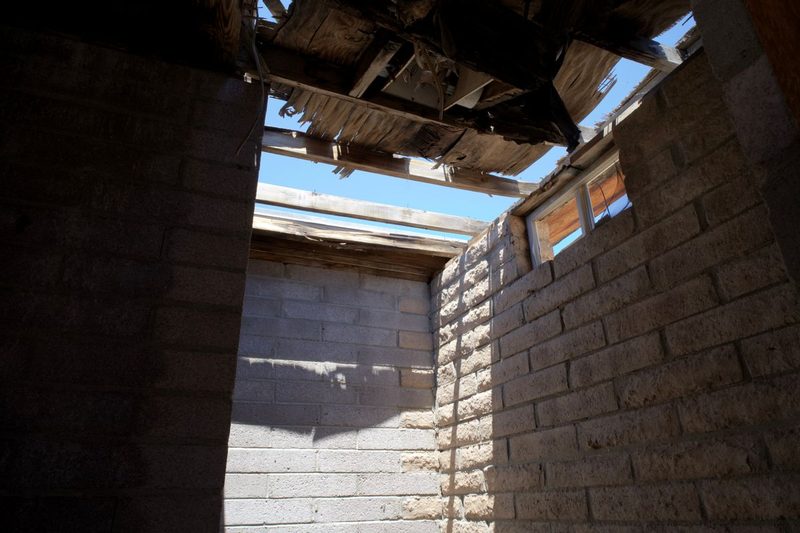
The quickest test is timing. Write down when the patch appears or grows. A true roof leak tracks the weather, usually within a few hours of heavy rain. A plumbing leak doesn't care about the weather at all, and condensation peaks on cold, still nights, especially from November to February.
Condensation in the loft
Condensation shows up as droplets on the underside of the felt or membrane, damp on the tips of nails, and black mould spotting on rafters, often spread evenly across one slope rather than in one spot. It's very common in homes that have had loft insulation topped up to 270mm without any extra ventilation. We've covered the causes and fixes in our guide to loft condensation and roof ventilation in Warrington, and it's worth reading before you assume the tiles have failed.
Plumbing and gutter overflow
Cold water tanks, central heating header tanks and bathroom pipework in the loft cause plenty of "roof leaks". A stain under a bathroom or directly below the tank, appearing on a dry day, points that way. Gutter overflow is the other big one: a blocked gutter on a 1930s semi can send water back over the fascia and into the wall head, leaving a damp strip along the top of the bedroom wall next to the ceiling. Stand outside in heavy rain for five minutes. If water is cascading over the gutter edge, start there.
A Stain on the Ceiling Near the Chimney Breast
This is the single most common symptom we see in Warrington's Victorian terraces and 1930s semis. A stain that sits on the ceiling where it meets the chimney breast, or creeps down the breast wall itself, usually comes from one of four places: the lead flashing around the stack, cracked flaunching on top, porous brickwork, or a chimney pot with no cap letting rain straight down a disused flue.
The pattern helps narrow it down. Damp right at the junction of ceiling and breast, worse after wind from the south-west, is usually flashing. Damp lower down the breast, with salts or a tea-coloured stain, tends to mean water entering the flue or soaking through the brickwork. On the pre-war chimneys we inspect around Warrington, roughly seven in ten still have their original lead, and lead that's been on since the 1930s has often split along the folds.
Expect a roofer to check the loft side first, because you can often see the wet brickwork and timbers around the stack from inside. A flashing repair typically costs £250 to £600, and capping a disused pot £80 to £150 if access is easy.
Damp Around a Dormer or Roof Window
Dormers are a weak point on any house, and Warrington has a lot of them, from original Victorian dormers to 1990s and 2000s loft conversions. The usual symptom is a damp patch on the ceiling or wall just below the dormer cheek, or bubbling paint on the window reveal.
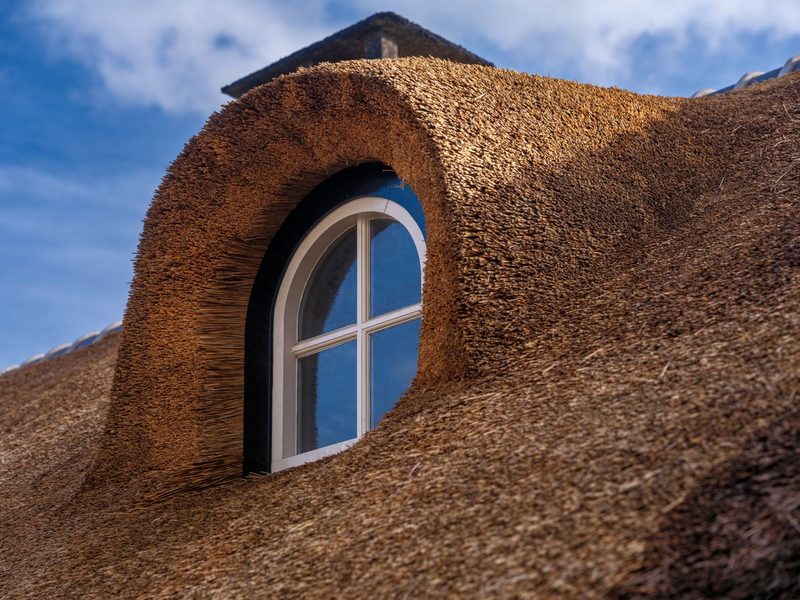
The culprits are the side flashings (soakers and step flashing where the dormer cheek meets the tiles), a flat dormer roof that's past its life, or a failed seal around the window itself. A roof window that leaks only at the top corners is nearly always a flashing kit problem, while water at the bottom corners often means the gutter section of the kit is blocked with leaves or moss.
Older felt dormer roofs last 15 to 20 years, so a 2005 conversion that's never been re-covered is due. Re-flashing a dormer cheek runs from about £300 to £700, and re-covering a small flat dormer roof in EPDM or GRP from £600 to £1,200.
A Drip That Only Shows Up in Driving Rain
If the roof is fine in ordinary rain but drips when the wind gets up, you're dealing with wind-driven rain. It's the most frustrating leak to find, because by the time a roofer arrives the weather has usually calmed down and everything looks dry.

Warrington sits on low, open ground along the Mersey corridor, with nothing much to slow Atlantic weather coming in from the south-west. That means the south and west-facing slopes and gable ends take most of the punishment. According to the Met Office UK climate averages, the North West sees more wet days than most of lowland England, and autumn storms regularly push gusts past 50mph.
Typical causes are worn mortar at verges and ridges, tiles with too little headlap for the roof pitch, cracked under-cloak at gable ends and old felt that's sagged between rafters so water sits rather than drains. On the 1970s and 1980s estates around Birchwood and Padgate, concrete interlocking tiles on shallow pitches are a regular source of driven-rain leaks, especially where the original mortar verges haven't been replaced with a dry verge system.
Damp Under a Flat Roof Extension
Kitchen and garage extensions with flat roofs are where water travels furthest before it shows. The stain might appear in the middle of the ceiling, but the actual hole could be at the upstand against the house wall, around a rooflight, or at the edge trim two metres away.

On felt roofs over 15 years old, blistering and cracked joints are the usual cause. Where a flat roof meets the main house wall, failed cover flashing or a missing cavity tray lets water run down inside the cavity and appear inside even though the flat roof itself is sound. That one catches people out all the time, and it's why we'd always look at the wall above before condemning the roof covering.
Ponding is another clue. If water still sits on the roof 48 hours after rain, the deck has sagged and the covering is under constant stress. The government's guidance on resistance to moisture, Approved Document C, sets out how walls and roofs should keep water out, and it's useful background if you're arguing with a builder about a recent extension.
How Roofers Trace a Roof Leak in Warrington, and What Each Method Costs
Good leak tracing works from cheap and simple to expensive and technical. Most leaks are found in the first two steps, and you shouldn't pay for thermal imaging until the basics have been done.

Loft inspection
A roofer goes into the loft with a torch, ideally during or just after rain, and follows the water trail back up the timbers. Stained rafters, damp felt and daylight showing through are all clues. This is often included in a free or low-cost quote, or charged at £60 to £120 as a call-out.
Moisture meters
A pin or pinless meter shows how wet the plaster and timbers are, which maps the damp area and tells you whether it's live or old. Readings above about 20% in timber point to an active leak. Usually included in a standard inspection.
Water testing
The roofer runs a hose over one section at a time, starting low and working up, while someone watches inside. It's slow but very reliable for driven-rain leaks around chimneys and dormers. Budget £150 to £300 for a half day.
Thermal imaging
A thermal camera picks up cold, wet areas in ceilings and insulation that you can't see. It's useful for finding the full spread of damp, less so for pinpointing a small hole. Expect £250 to £500 for a survey with a written report.
Smoke and dye testing on flat roofs
For flat roofs, specialists can pump harmless smoke under the membrane and watch where it escapes, or use coloured dye in water to show which outlet or joint is leaking. Electronic leak detection on single-ply and EPDM roofs works on a similar principle. Prices run from about £300 to £600 for a domestic extension.
Why the Leak Often Appears Far From the Fault
Water is lazy. It follows the easiest route, which means running along the top of a rafter, across the felt, down a purlin or along a pipe until it reaches a low point and drips. On a typical Warrington semi with a 35-degree pitch, a leak at the ridge can travel down the felt for two or three metres before it finds a gap.

Flat roofs make it worse. Water gets under the membrane and spreads across the deck, so the ceiling stain can be a long way from the split. And insulation soaks up water like a sponge for weeks before the ceiling shows anything, which is why some leaks only appear after a long wet spell rather than on the first rainy day.
This is why we're wary of anyone who climbs up, spots one cracked tile and declares the job done. If the repair doesn't match where the water was actually coming in, the stain comes back after the next storm. Ask for photos of the fault and of the water trail inside, and make sure your roofer is properly vetted - TrustMark's register of government-endorsed tradespeople is a sensible place to check. Local roofers are typically booked two to four weeks out in autumn, so book early once you've spotted a stain rather than waiting for it to grow.
Frequently Asked Questions
How do I know if it's a roof leak or condensation?
A roof leak appears during or shortly after rain and usually in one spot. Condensation appears on cold, still nights, spreads across the underside of the felt and often comes with mould spotting on the rafters. If the patch shows up on a dry, frosty morning, condensation is the more likely cause.

How much does roof leak detection cost in Warrington?
A basic loft inspection with a moisture meter is often free with a quote or around £60 to £120. Water testing costs £150 to £300, thermal imaging £250 to £500, and smoke or dye testing on a flat roof £300 to £600. Most leaks are found with the cheaper methods.
Why does my roof only leak when it's windy?
That's wind-driven rain. In Warrington the prevailing south-westerly wind pushes water sideways under tiles, through worn verge and ridge mortar and around chimney flashings. Your south and west-facing slopes are the first place to check.
Can a leak show up a long way from where the roof is damaged?
Yes. Water runs along felt, rafters and flat roof decks before dripping, so the stain can be two or three metres from the actual fault. That's why a roofer should trace the water trail in the loft before deciding what to repair.
Ready to work with us?
We're here to help. Give us a call on 01264 554568 or fill out our short form below.