
Scaffolding for Roof Work in Warrington: A Homeowner's Timeline From Quote to Strike-Down (2026 Costs)
Scaffolding is the part of a roofing quote most Warrington homeowners skim past, and it's often 20% to 35% of the total bill. On a £6,000 re-roof of a 1930s semi in Great Sankey, the scaffold alone can run to £1,500. On a £400 ridge repair it can be more than the repair itself. Warrington gets something like 800mm to 850mm of rain a year, spread over roughly 150 wet days, so a job priced for two weeks of scaffold hire quite often ends up needing four. Falls from height are still the biggest single cause of deaths at work in Britain, which is why the rules on when a scaffold is needed aren't optional. This guide follows the scaffold through your job in the order you'll meet it: the survey, the price, the licence, the day it goes up, the weeks it stands there and the day it comes down. It covers 2026 scaffolding costs for roof work in Warrington by house type, plus the questions worth asking before you sign.
Stage 1: The Survey - Does Your Warrington Roof Job Need Full Scaffolding?
Not every roof job needs a full scaffold, and a good roofer won't sell you one you don't need. The law that decides it is the Work at Height Regulations 2005. In plain terms, it says the roofer has to pick the safest practical way of reaching the work, and anything that's more than a short, low-risk job usually needs edge protection. The HSE's work at height guidance sets out the order of preference: avoid working at height if you can, prevent falls if you can't, and only then rely on stopping a fall once it's happened.
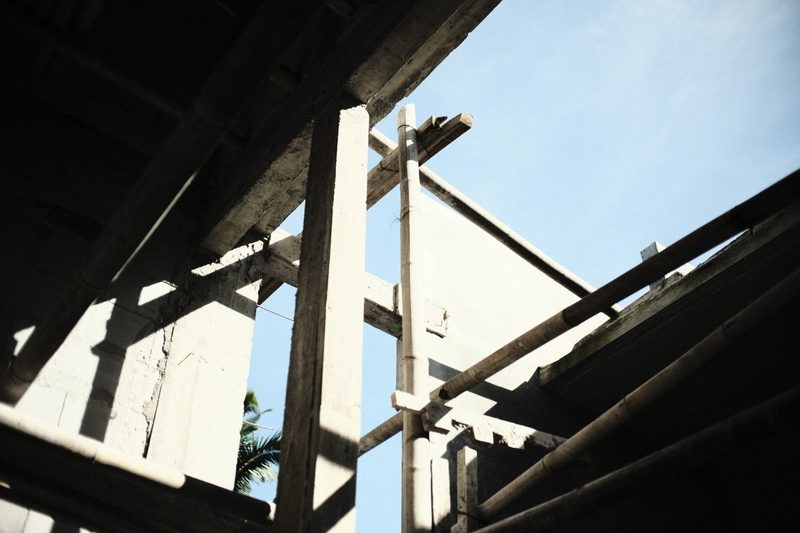
When we survey a roof, the real question is how long someone will be up there and what they'll be doing. If you're not sure which option your job needs, Northwest Roofing Contractors can come out, look at the roof and tell you which access makes sense before any money changes hands.
Roof ladders and a single ladder
A roof ladder hooks over the ridge and spreads the roofer's weight across the tiles. It's fine for quick, light jobs on a bungalow or a low single-storey extension: swapping 3 or 4 slipped tiles, clearing a blocked outlet, a quick look at a leak. Rough rule: if the job takes less than half a day and needs no heavy materials carried up, ladders are often acceptable. Anything longer, and the risk goes up quickly.
Towers and cherry pickers
A mobile tower suits a single elevation on firm, level ground, like the gable end of a bungalow or one run of fascia. Expect £150 to £300 a week for hire, or less when the roofer owns one. A cherry picker (a mobile elevating work platform) is handy for chimney inspections and short gutter jobs where there's a drive to park on, at around £250 to £450 a day with an operator. Neither one works well on a terraced street with no off-road space, which covers a good chunk of Warrington's older housing.
When a full scaffold is the only safe answer
Full scaffold with edge protection is normal for any re-roof, ridge or verge rebedding along the full length, chimney rebuilds, valley replacements and most jobs lasting more than a couple of days. It's also the only option with a safe platform for loading tiles, battens and lead onto the roof. On a typical two-storey Warrington home the eaves sit around 5m to 6m off the ground, well past the height where a slip on a wet morning turns serious.
Stage 2: Pricing It Up - 2026 Scaffolding Costs in Warrington by House Type
Scaffold prices depend on the length of each elevation, the height, how many sides are covered, whether a chimney needs its own lift, and how awkward the access is. These are typical 2026 Warrington figures for erection, a standard hire period of 4 to 6 weeks and strike-down:

- Victorian or Edwardian mid-terrace, front only (Latchford, Howley, Bewsey): £550 to £850
- Same terrace, front and rear: £900 to £1,400, more if the back is only reachable through an alley
- 1930s semi, front and side (Great Sankey, Penketh, Orford): £1,000 to £1,500
- 1930s semi, three sides plus a chimney lift: £1,500 to £2,200
- Detached new-build, two storeys (Birchwood, Westbrook, Chapelford): £1,400 to £2,400
- Three-storey town house on a newer estate: £2,000 to £3,200
- Bungalow, front and back: £400 to £800
- Chimney stack only, with a roof-mounted platform: £450 to £900
Why terraces and new-build estates price so differently
Terraces in Latchford and Howley are cheap to scaffold per metre because the elevations are short, but the fronts usually sit right on the pavement, which brings a council licence and a pedestrian walkway into it (more on that below). Birchwood and Westbrook houses are taller, often detached, with garages and conservatories in the way, so they need more tube, more boards and sometimes a bridge over a lean-to roof. A conservatory adds £150 to £400 on its own because the scaffold has to straddle it without loading the glass.
What isn't usually in the headline figure
Watch for these extras: a loading bay for tiles (£100 to £250), debris netting or sheeting (£80 to £200), a rubbish chute (£100 to £200), and a scaffold alarm (£40 to £100 a week). None of them are scams. They just need to be on the quote so you can compare like with like.
Stage 3: Reading the Scaffold Line on Your Roofing Quote
Most roofers don't own a scaffold firm. They subcontract it and add it to your quote, sometimes with a 10% to 15% handling margin, which is normal. What matters is that the line tells you what you're actually buying. A quote that just says "scaffolding - £1,200" leaves too much room for surprises.
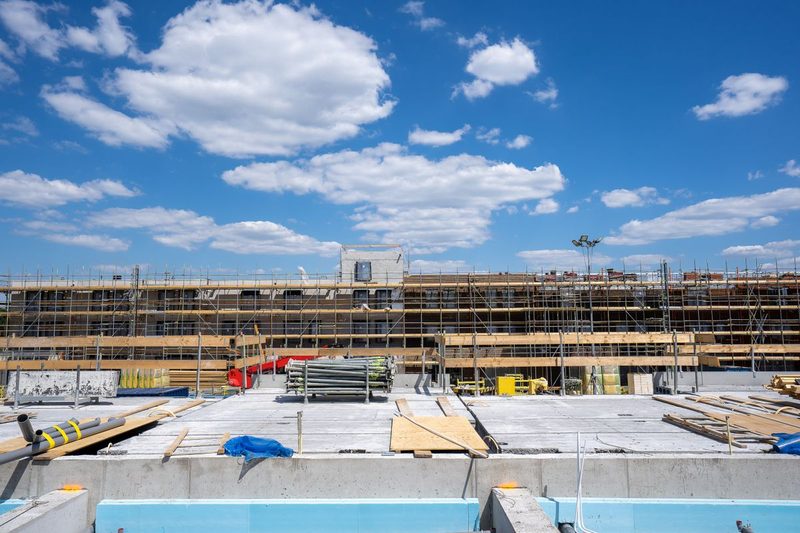
A clear scaffold line should state:
- Which elevations are covered (front, rear, side, chimney)
- How many weeks of hire are included, usually 4 to 6 for a re-roof
- The weekly rate after that, in pounds, not "at cost"
- Whether a pavement licence is needed and who's paying for it
- Whether loading bays, netting, a chute and an alarm are included
- Who the scaffold firm is, and confirmation they hold public liability insurance
Three questions to ask before you sign
First, "What happens if the job overruns because of weather?" You want a fixed weekly rate in writing. Second, "Will the scaffold be inspected and signed off?" Under the regulations it has to be inspected before first use, at least every 7 days and after any storm that could have affected it, and the scaffolder should give the roofer a handover certificate. Third, "Can I use the scaffold for other trades while it's up?" Some firms are relaxed about this. Others want a separate agreement, because of insurance.
On jobs we price, the cheapest overall quote is often the one with the most honest scaffold line. A low total with a vague scaffold entry can climb by £300 to £600 by the time the hire extensions land.
Stage 4: Licences, Pavements and the People Next Door
If any part of the scaffold stands on a public road or pavement, you need a licence before it goes up. Warrington Borough Council's own scaffolding and hoardings licence page sets out the conditions: the scaffolder must show at least £2 million of public liability cover, a covered walkway or a signed and lit temporary footway is needed where pedestrians pass, the scaffold has to be lit from sunset to sunrise, and adverts aren't allowed on it apart from emergency contact details. The licence comes from the council's highways team under the Highways Act 1980.
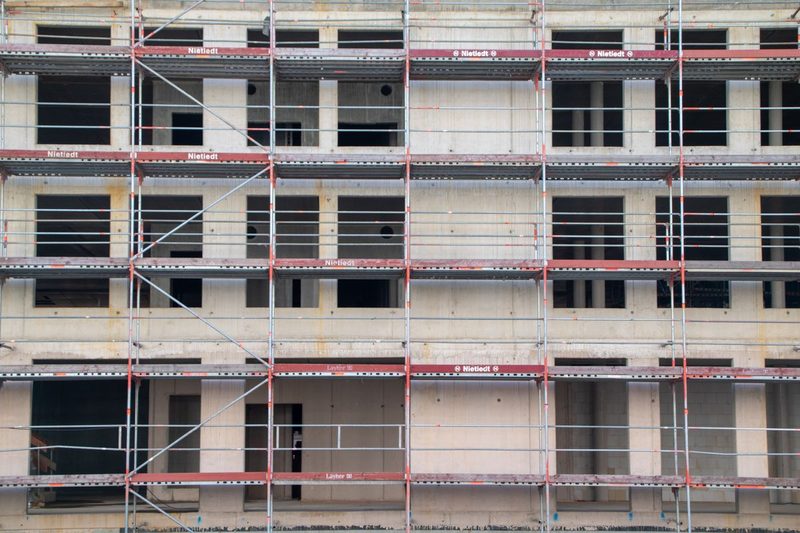
In practice your scaffolder applies, and the fee goes on their bill. Allow 1 to 2 weeks for the licence to come through, so a pavement scaffold on a Latchford terrace can't usually go up the day after you agree the quote. If the pavement is narrow, the council may ask for a temporary footway in the road, which adds cost and sometimes traffic management.
Getting access over a neighbour's land
On semis and terraces, the scaffold often has to stand on the neighbour's drive or garden, or a tube has to cross their side. You have no automatic right to put it there. Ask in person, then confirm in writing: how many weeks, where the standards will sit, and that any damage gets put right. If they refuse and the work is essential repair, the Access to Neighbouring Land Act 1992 lets you apply to court for an access order, but that's slow and expensive. A friendly knock is nearly always quicker.
Where the work touches a shared roof, chimney or party wall, there may be a formal notice to serve as well. We've covered party walls and shared roofs in Warrington in more detail, including how much notice you need to give and who pays for what.
Stage 5: Erection Day and Keeping the Scaffold Secure
A standard two-storey scaffold on a Warrington semi takes a crew of 2 or 3 between half a day and a day to erect. Expect noise, a lorry outside for an hour or two, and boards stacked on the drive. Move cars, bins and garden furniture the night before. If anything is fragile near the walls, like plant pots, a water butt or a satellite dish, mention it to the crew before they start.

The HSE's scaffolding guidance expects scaffolds to be put up by competent people working to a recognised design. For a typical house, that means a standard configuration from the industry's TG20 guidance. Ask whether your scaffolders are CISRS-carded. Most reputable firms in the North West are, and it's a quick way to tell a proper outfit from a man with a van full of tube.
Security while the house has a ladder bolted to it
A scaffold is a ready-made way into your upstairs windows. Insurers know it, and some policies require you to tell them that scaffolding is up. Practical steps that cost little:
- Ask for the ladders to be removed or boarded off at the end of every working day
- Keep upstairs windows locked, even in a warm spell
- Consider a scaffold alarm for £40 to £100 a week, especially on a corner plot or a house backing onto a footpath
- Check your home insurance, as some policies exclude theft through an unsecured scaffold
Don't let children climb it, and don't go up yourself to have a look. It's built and insured for trained trades, not for curious homeowners in slippers.
Stage 6: While It's Up - Getting More Done for the Same Scaffold Money
Once you've paid £1,000 or more to get up to the roof, look at everything else up there. Extra work gets a lot cheaper when the access is already in place. A gutter job that would need its own £500 to £800 scaffold next year can often be added for just the cost of the work.
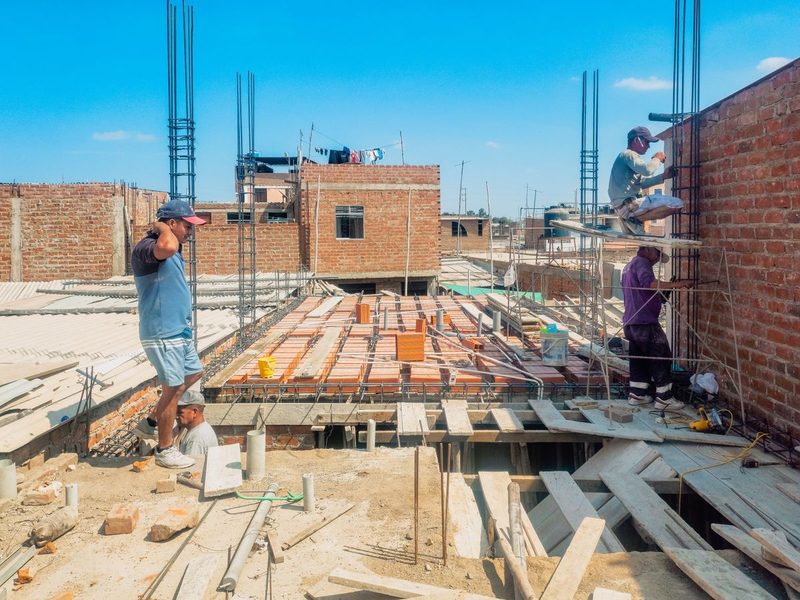
Jobs worth pricing while the scaffold is up:
- Gutters and downpipes: replacing old cast iron or tired plastic, typically £600 to £1,500 on a semi
- Fascias and soffits: UPVC replacement, usually £1,200 to £2,500 for a full house
- Chimney repointing and new flaunching: £300 to £800 with access already sorted
- Lead flashings: £200 to £600 depending on the run
- Painting or rendering: speak to the decorator before the scaffold comes down
Tell the scaffolder before, not after
If you want the chimney done, the scaffold may need an extra lift or a chimney platform, so ask for it at the quote stage. Adding one after the scaffold is up means a second visit and a second charge, often £150 to £300. The same goes for side elevations: a scaffold built for the front won't reach the gable.
Stage 7: When the Weather Drags It Out - Overrun Charges in a Wet North West Autumn
This is where Warrington homeowners most often get caught out. A re-roof that takes 6 to 8 working days in a dry June can stretch to 4 or 5 weeks between October and March. Warrington sits in the Mersey valley, where south-westerly fronts come in off the Irish Sea one after another, and November to January often brings 15 to 18 days of rain a month. Mortar can't go on below about 5°C, felt and membranes go down badly on soaking battens, and nobody should be on a wet, windy scaffold.
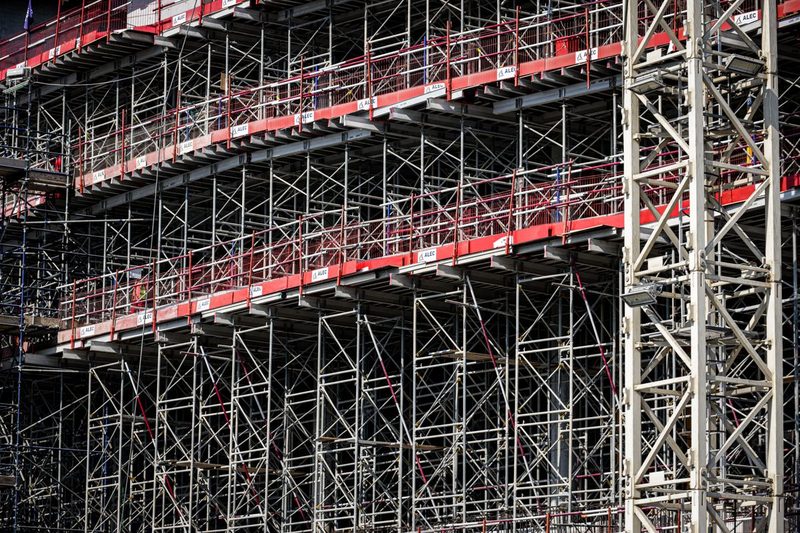
Most scaffold quotes include 4 to 6 weeks of hire. After that, extension charges in the Warrington area typically run at £40 to £120 per week for a house, or about 10% to 15% of the original scaffold price per week. On a £1,500 scaffold, a three-week overrun can add £135 to £675. Not a disaster. But plan for it.
Who pays when the job overruns?
It depends on the contract. If the delay is weather, most roofers pass the extra hire on to you, which is why the weekly rate needs to be in writing at the start. If the delay is the roofer's own fault, like a missing delivery or a crew sent to another job, you have a fair case for asking them to cover it. Agree this before the work starts. Booking roof work for late spring or summer is the simplest way to avoid the question entirely, and Warrington scaffolders often have shorter lead times in May and June than in the autumn rush, when everyone wants their roof sorted before winter.
Stage 8: Strike-Down and the Final Checks
Taking a scaffold down is quicker than putting it up, usually half a day on a house. Before the scaffolder arrives, do a final walk-round with your roofer while the access is still there. Once the boards come down, getting back up to the ridge costs real money again.
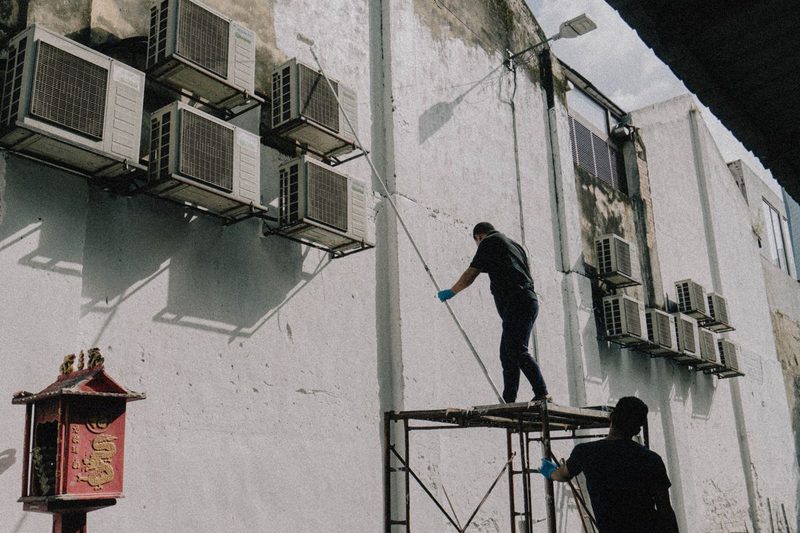
Things to check, ideally with photos taken from the scaffold:
- Ridge and hip tiles bedded or fixed evenly with no gaps
- Flashings dressed tight to the chimney and walls
- Gutters clear of broken tiles, mortar and offcuts
- Valleys clean, with no debris left under tiles
- Any tiles disturbed while fixing the scaffold ties put back
After strike-down, look at the ground. Standards on a lawn leave small square dents that recover in a few weeks. Standards on block paving shouldn't crack anything if base plates and sole boards were used. Check the walls too, because scaffold ties are fixed into the masonry and the holes should be filled and pointed. On older Warrington brick, a badly filled tie hole is a small but permanent way for water to get in.
Frequently Asked Questions
How much does scaffolding cost for roof work in Warrington?
For most Warrington homes in 2026, expect £550 to £850 for the front of a terrace, £1,000 to £2,200 for a 1930s semi depending on how many sides are covered, and £1,400 to £3,200 for a detached or three-storey new-build. Bungalows are usually £400 to £800. These prices normally include 4 to 6 weeks of hire.
Do I need a licence for scaffolding on the pavement in Warrington?
Yes. Any scaffold standing on a public road or footway needs a licence from Warrington Borough Council's highways team. The scaffolder normally applies and adds the fee to their bill. They must show at least £2 million of public liability insurance, and the scaffold has to be lit at night and give pedestrians a safe way past.
How long will the scaffold be up for a re-roof?
Usually 2 to 4 weeks in summer and 4 to 6 weeks in autumn and winter, because Warrington's wet weather costs working days. Erection takes half a day to a day, and strike-down about half a day.
Can a roofer use ladders instead of scaffolding to save money?
For short, light jobs on a low roof, like replacing a few slipped tiles on a bungalow, roof ladders are often acceptable. For anything longer, anything on a two-storey house that involves carrying materials up, or work near an unprotected edge, the Work at Height Regulations 2005 mean the roofer should use scaffolding or another form of edge protection.
Ready to work with us?
We're here to help. Give us a call on 01264 554568 or fill out our short form below.