
Ridge and Chimney Repairs in Warrington: What's Involved and What It Costs
Warrington sits in the north-west, where rainfall is consistent year-round and winters bring enough frost to accelerate the deterioration of exposed masonry and mortar on roofs. The town's housing mix - inter-war semis across areas like Stockton Heath and Grappenhall, post-war estates throughout Orford and Bewsey, and older Victorian terraces near the town centre - has a substantial number of properties where the ridge mortar is either original or hasn't been properly replaced since the property was built. This is the background against which most ridge and chimney repair work in Warrington takes place.
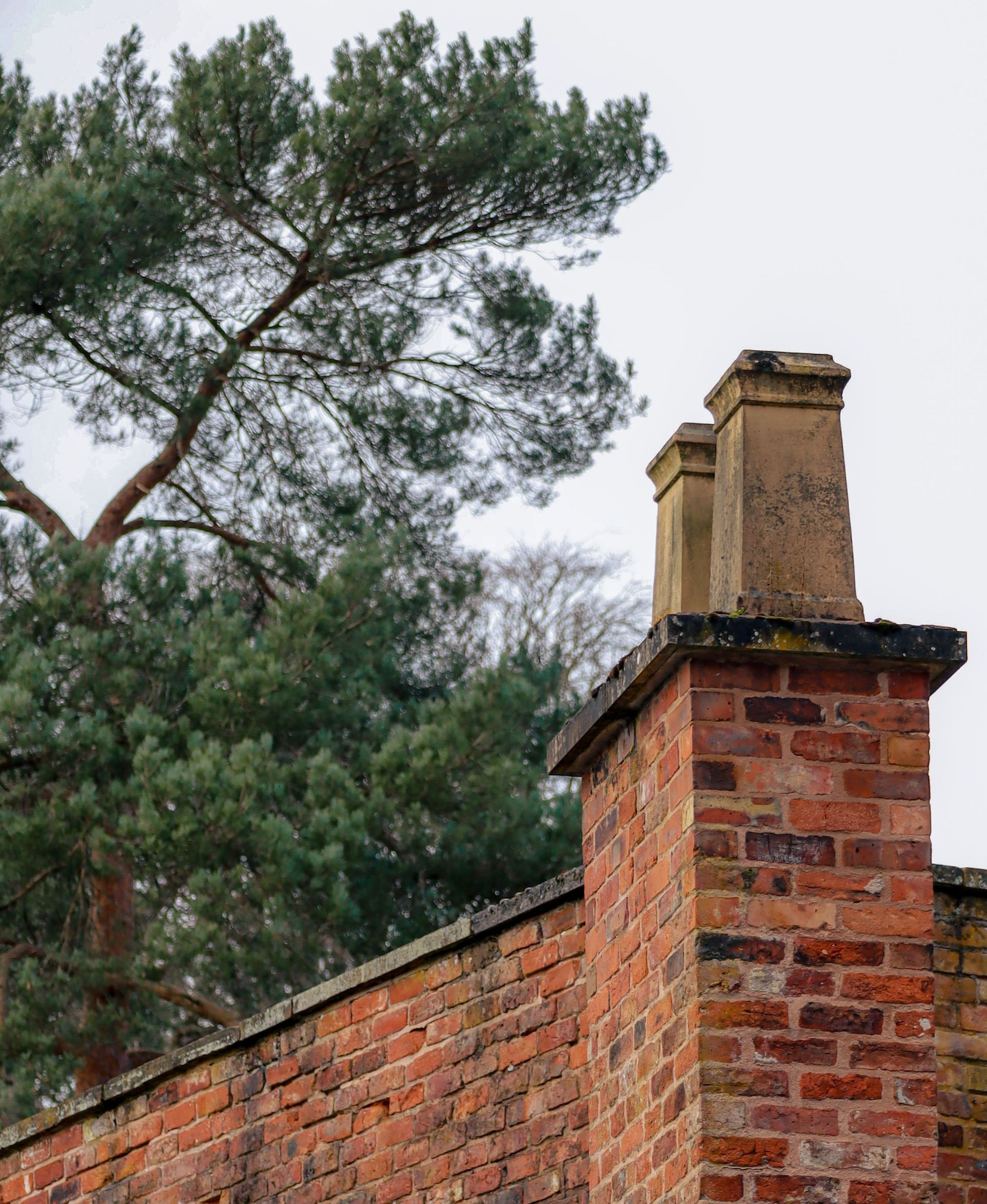
Ridge Tile Problems
The ridge tiles at the apex of a pitched roof are bedded in mortar and pointed at their joints. Both the bedding mortar and the pointing deteriorate over time - cracking, shrinking, and losing adhesion through years of thermal cycling and frost. Warrington's climate accelerates this process, particularly on north-facing ridge sections that stay damp longer after rain.
The main failure modes:
Loose ridge tiles. Once the bedding mortar fails, ridge tiles sit unsupported. In Warrington's regular wind events, an unsupported ridge tile is likely to shift or fall eventually. The direction of failure matters - a tile that falls toward the street or a neighbour's property is a safety incident, not just a maintenance issue.
Open joints. The pointing between ridge tiles can deteriorate independently of the bedding - you can have tiles that are still firmly in position but with open joints that allow water into the mortar bed and, eventually, into the roof structure below.
Hip tiles. For properties with hipped roofs (which is common in Warrington's inter-war stock), the diagonal hip tiles running from the eaves to the ridge are bedded and pointed the same way and fail for the same reasons.
Chimney Problems
Chimneys take more weather exposure than any other part of the roof, and in Warrington properties they're often the first place weather-related leaks originate. The specific problems:
Failed flaunching. The sloped mortar collar at the top of the chimney stack that holds the pots and sheds water deteriorates faster than most other exposed masonry because it faces upward. Cracked or sunken flaunching allows water into the masonry.
Deteriorated pointing. The mortar joints between the chimney bricks weather faster than those on sheltered walls. Repointing restores the weather barrier and should be done before the joints are so open that water has been getting in for a sustained period.
Failed lead flashing. Where the chimney meets the main roof surface, lead flashing prevents water from running into the join. If the mortar holding the flashing into the raggle joint fails, the flashing lifts and water gets behind it.
What a Proper Repair Involves
Northwest Roofing Contractors carries out ridge and chimney repairs across Warrington with close inspection as the starting point - ridge and chimney conditions can't be properly assessed from the ground. The repair scope depends on what's found.
For ridge tiles, the current best practice is a dry-fix system (tiles secured mechanically rather than on a mortar bed) rather than re-bedding in mortar - it eliminates the mortar failure cycle. For chimneys, repointing and flaunching replacement are the most common interventions, with flashing replacement where the lead is past its useful life.
What It Costs in Warrington
Access is the main cost variable for both ridge and chimney work:
- Access hire (scaffold tower or scaffolding): £150-£300
- Repoint ridge only: £180-£400 depending on length
- Dry-fix ridge replacement: £400-£700 for a typical mid-terrace
- Chimney repoint: £200-£400
- Chimney flaunching replacement: £150-£280
- Full chimney service (flaunching, repoint, new pot if needed): £500-£900
We've covered what to check after a storm in Warrington and ridge and chimney issues are often the first thing to worsen after high winds - a storm inspection is a good time to get close to the ridge at the same time.
FAQ
Q: How do I know if my Warrington ridge tiles need attention?
From the ground, look for tiles that are visibly shifted, sitting at a different angle, or have obvious gaps in the pointing between them. Binoculars help. A roofer with access to the ridge will give a definitive assessment - what looks minor from below can be quite deteriorated close up.
Q: What's the difference between repointing ridge tiles and re-bedding them?
Repointing replaces the mortar in the joints between tiles without disturbing the tiles themselves - appropriate when the tiles are firmly bedded but the pointing has deteriorated. Re-bedding lifts the tiles, removes the old mortar, and resets the tiles on a fresh bed - needed when the tiles have moved or the bedding is no longer sound.
Q: Can chimney repairs be done in winter in Warrington?
Basic repair work can be carried out through winter, but mortar pointing and flaunching ideally shouldn't be done in freezing conditions - fresh mortar needs to cure without frost damage. Emergency work (securing a loose pot, temporary weatherproofing) is possible in any weather; a full repair is better in milder conditions.
Q: Do chimney repairs need scaffolding?
For a two-storey Warrington property, safe access to a chimney stack requires either a scaffold tower or erected scaffolding. A quote that doesn't include access costs may be cutting corners on this, or expecting the roofer to work from a ladder at height - which isn't appropriate for sustained repair work.
Ready to work with us?
We're here to help. Give us a call on 01264 554568 or fill out our short form below.