Roof Insulation and Energy Efficiency in Warrington Homes: What's Worth Doing
Heat loss through the roof is responsible for around 25% of a home's total heat loss in an uninsulated property - a figure that's come down as Building Regulations tightened, but which still represents a significant proportion of energy waste in Warrington's older housing stock. The town has a high proportion of semi-detached houses and terraces from the inter-war and post-war periods that were built with little or no roof insulation and have had it added piecemeal over the decades. In many cases, the insulation that's there is either insufficient by current standards or was installed poorly.
Loft Insulation: The Basics
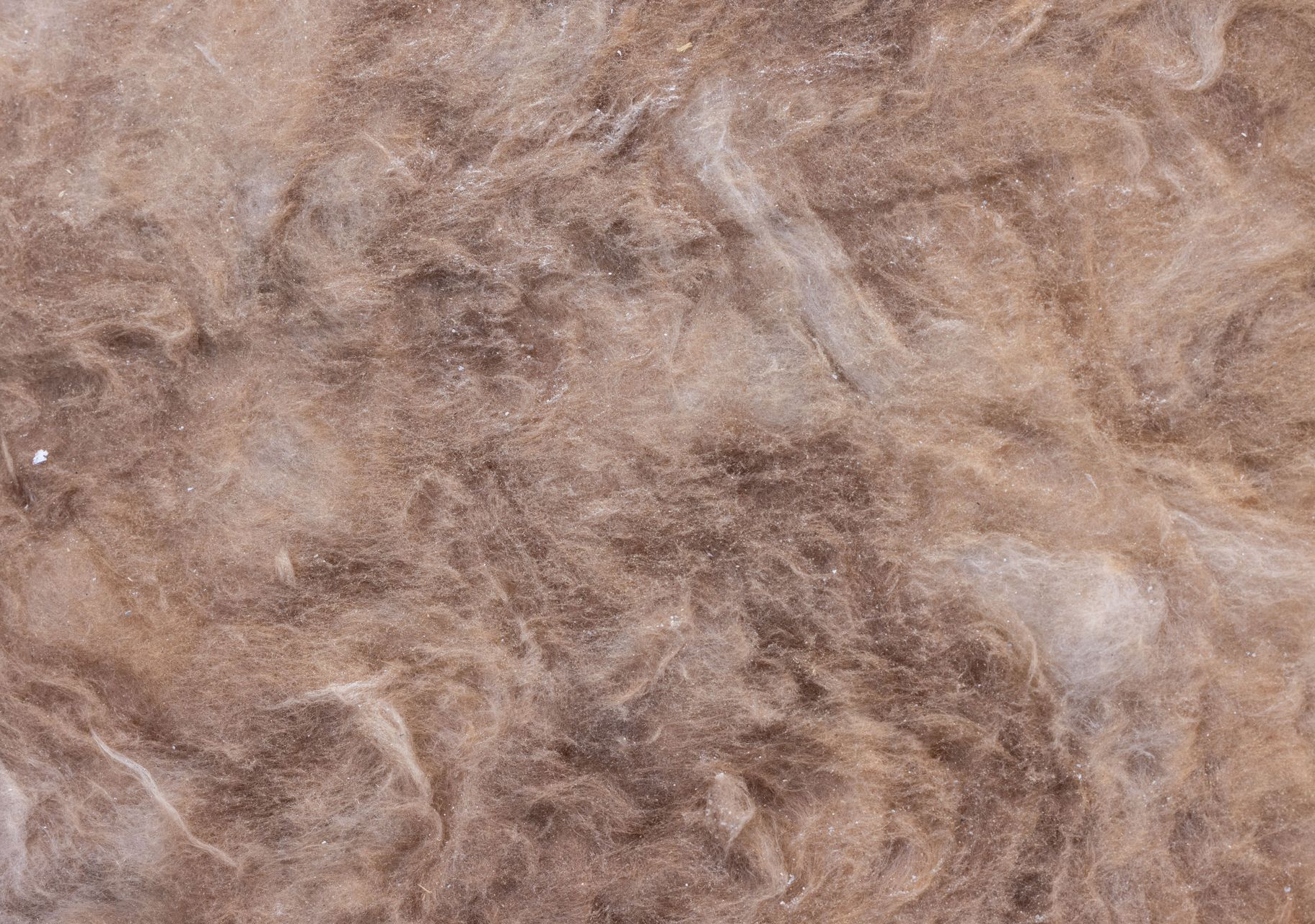
For a standard pitched-roof property with a cold loft - which covers most Warrington houses - the most cost-effective insulation is loft insulation laid between and over the joists at ceiling level. Current Building Regulations recommend a total depth of 270mm (typically 100mm between joists and 170mm laid at right angles over the top). Many older Warrington properties have 100mm or less, which falls well short of current standards and leaves significant heat loss still occurring.
Topping up existing loft insulation to 270mm is one of the cheapest energy efficiency improvements available, particularly for properties that already have some insulation in place. The disruption is minimal - it doesn't require any plastering or decoration - and the payback period is typically well under five years at current energy prices.
Flat Roof Insulation
Properties with flat-roofed extensions, garages, or rooms under flat roofs have a different situation. Flat roofs can be insulated in different ways:
Cold deck (insulation below the deck, the roof itself is cold) - older method, now generally not recommended due to condensation risk.
Warm deck (insulation above the deck, beneath the weatherproofing layer) - the current standard approach for new flat roofs and flat roof replacements. Maintains the deck at a consistent temperature and avoids condensation issues.
Inverted roof (insulation above the waterproofing layer) - used in some commercial and high-performance residential applications.
For a Warrington homeowner with an existing flat-roofed extension, flat roof insulation is most practically added when the waterproofing layer is being replaced - adding it at that point adds relatively little to the overall cost and converts what was previously an uninsulated (or poorly insulated) flat roof into a properly performing one.
Cavity Wall and Roof Interaction
Northwest Roofing Contractors often gets asked about roof insulation as part of a broader conversation about energy efficiency, and it's worth noting that roof insulation works in combination with wall and floor insulation rather than in isolation. A well-insulated roof with poorly insulated walls is still going to have significant heat loss - the improvements stack rather than cancel out.
Grants and Funding in 2026
The main grant scheme for insulation in England is the Great British Insulation Scheme (GBIS), which targets lower-income households and homes with poor EPC ratings. Eligible households can receive fully or partially funded loft insulation. For households that don't qualify for GBIS, the Energy Company Obligation (ECO4) scheme also covers some properties, and local authority schemes are available in some areas.
Even for households that don't qualify for any grant funding, the cost of topping up loft insulation is typically low enough that the payback from reduced bills makes it worth doing regardless.
We've also covered what to check after a storm in Warrington- a poorly ventilated or insulated loft can develop condensation and damp issues that are sometimes mistaken for storm damage or a roof leak.
FAQ
Q: How much loft insulation should a Warrington home have?
Current Building Regulations recommend 270mm total depth for cold loft insulation. Many older Warrington properties have considerably less. Topping up to 270mm is one of the most cost-effective energy improvements available.
Q: Can I get a grant for loft insulation in Warrington?
Eligible households can access funding through the Great British Insulation Scheme (GBIS) or the Energy Company Obligation (ECO4). Eligibility depends on household income, property type, and current EPC rating.
Q: When is the best time to add insulation to a flat roof?
When the waterproofing layer is being replaced. Adding warm deck insulation as part of a flat roof replacement adds relatively little to the overall cost and significantly improves the thermal performance of the roof.
Q: Does roof insulation help with condensation as well as heat loss?
It can, particularly if the roof is currently cold enough to cause condensation on the underside in winter. Proper warm deck insulation on flat roofs specifically addresses this. In cold lofts, adequate ventilation alongside insulation is important to prevent condensation in the loft space itself.
Ready to work with us?
We're here to help. Give us a call on 01264 554568 or fill out our short form below.