Roof Moss Removal and Cleaning in Warrington: Costs and What Works
Moss loves Warrington. With around 870mm of rain a year, mild winters, and long stretches where a roof never fully dries between October and March, the North West gives moss close to perfect growing conditions - which is why a roof here can green over in 5-10 years while the same tiles in East Anglia stay clean for 20. It's not just cosmetic. A thick moss mat holds several times its own weight in water against the tiles, blocks gutters (moss is behind an estimated 60-70% of gutter blockages on affected roofs), and in a hard frost it pries at tile surfaces as the trapped water freezes and expands. Professional moss removal in Warrington typically costs £400 - £800 for a standard three-bed semi. This guide covers what that buys, which methods actually work, which ones quietly wreck your roof, and how to slow the regrowth.
Why Moss Is Worse in Warrington Than Most of the UK
Moss needs three things: moisture, shade, and a rough surface to grip. Warrington supplies all three generously. The Met Office UK climate averages put the North West well above the England average for both rainfall and rain days, and Warrington's roughly 145 wet days a year mean roofs spend much of the winter permanently damp. North-facing slopes, which may see no direct sun for weeks in December and January, are always the worst affected - often carrying 3-4 times the growth of the south side of the same roof.
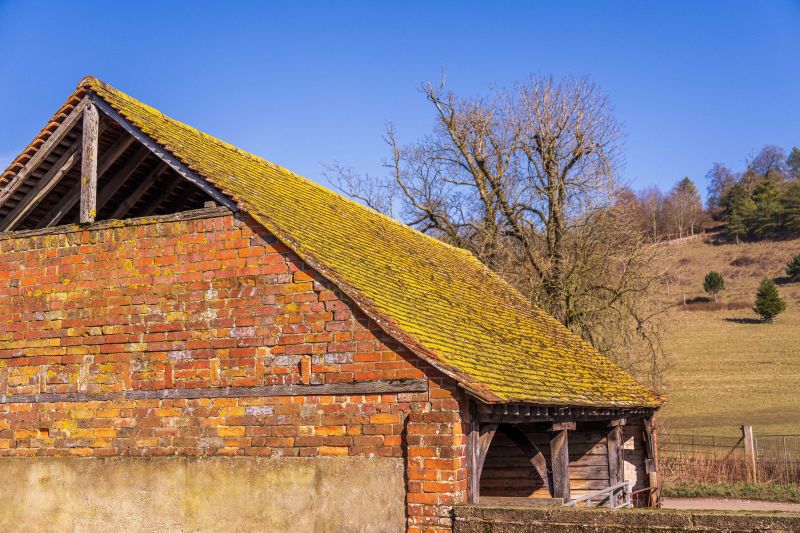
Housing stock matters too. The concrete interlocking tiles used across Warrington's new-town estates - Birchwood, Westbrook, Callands, Great Sankey - are moss magnets. Concrete is porous and its surface roughens as the factory finish weathers off after 15-20 years, giving spores an easy grip. The older Victorian terraces around Latchford, Stockton Heath, and the town centre fare better, because smooth Welsh slate gives moss little to hold onto. If you're not sure how much of a problem your roof actually has, Northwest Roofing Contractors can take a look and give you an honest answer - sometimes the honest answer is that it can wait a few years.
Is Moss Actually Damaging Your Roof?
A light dusting of moss is harmless. The problems start when it forms cushions.
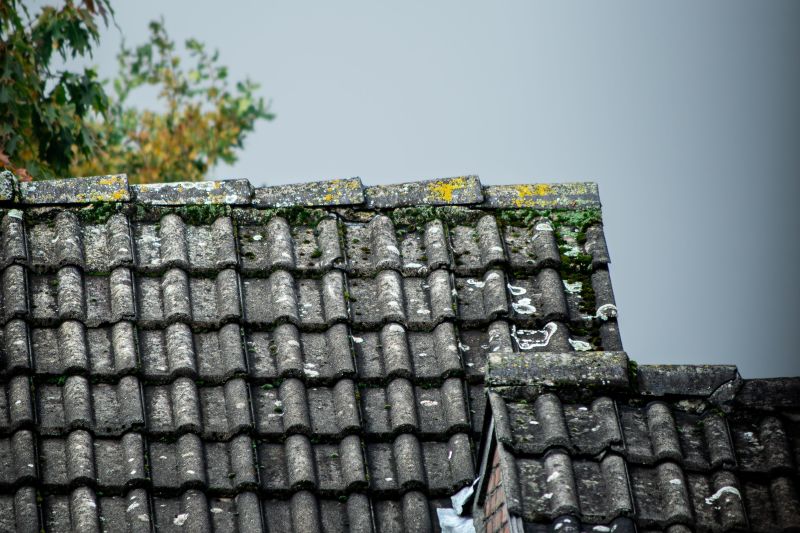
Thick moss holds water against the tile surface constantly, and in Warrington's 30-50 air-frost days a year that trapped water freezes, expands by about 9%, and gradually spalls the surface off concrete tiles - shortening their life. Moss cushions also wick water sideways under tile laps, which is one of the few ways a structurally sound roof can leak. And moss that detaches ends up in the gutters: a single wet season can drop enough to block downpipes completely, sending overflow down the walls and towards the damp problems that follow.
The warning signs worth acting on
Act when you see moss cushions thicker than a couple of centimetres, clumps of moss on the ground or in gutters after rain, gutters overflowing in moderate rain, or green growth spreading across more than about a third of a slope. Any one of these usually means the roof is holding meaningfully more water than it should - and on a 40-year-old concrete tile roof, that's the difference between the tiles lasting another 15 years or another 8.
Removal Methods: What Works and What Damages Tiles
How the moss comes off matters more than whether it comes off. The wrong method costs more in damage than the cleaning saves.
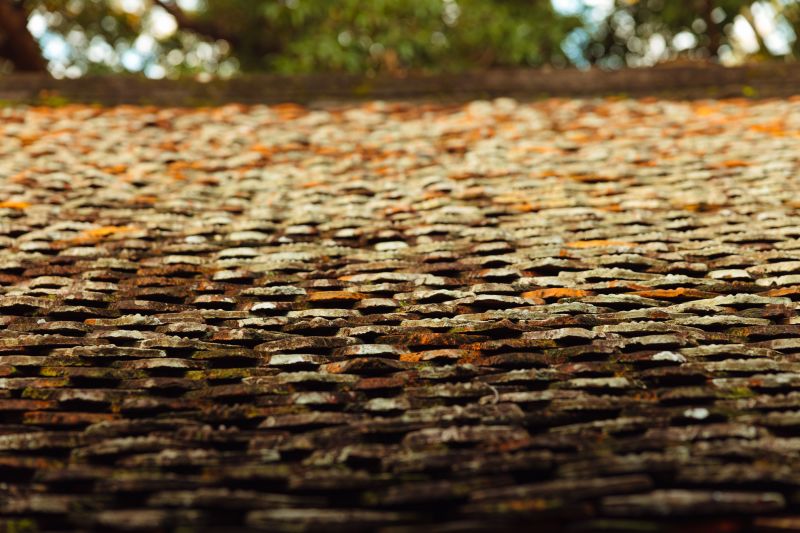
Manual scraping (the right answer for most roofs). A roofer works across the roof from ladders, roof ladders, or a tower, scraping moss off by hand and brushing the tiles down. Slow - a full semi takes most of a day - but it removes 90%+ of growth with essentially zero tile damage. This is what the trade recommends and what we do.
Biocide treatment after scraping. A soft-wash biocide applied after manual removal kills the roots and spores the scraper can't reach, roughly doubling the time before regrowth - typically 2-4 years of protection versus 1-2 years for scraping alone. Adds £100 - £250 to the job and is usually worth it.
Pressure washing (avoid on almost all tiled roofs). It looks effective and it's fast, which is why cheap operators push it. It also strips the weathered surface off concrete tiles, forces water up under the laps into the roof space, and can take 10+ years off a tile's life. The National Federation of Roofing Contractors- the UK's main roofing trade body - is a good reference point for accepted practice, and pressure washing pitched tiled roofs isn't part of it. If a quote is suspiciously cheap, this is usually why.
What Roof Moss Removal Costs in Warrington
Prices for manual scrape-and-brush removal, including gutter clearance of the debris:
Terraced house (one main slope pair): £250 - £450.
Three-bed semi: £400 - £800.
Detached house: £600 - £1,200 depending on roof size and complexity.
Biocide/soft-wash treatment after removal: add £100 - £250.
Gutter clearance only (moss debris): £80 - £150 if done as a standalone job.
Access drives the spread - a bungalow with easy ladder access sits at the bottom of each range, a three-storey townhouse needing a tower sits at the top. Warrington homeowners do well on price here: the M62 corridor means plenty of roofing and exterior cleaning firms compete across Warrington, Widnes, and St Helens, and quotes typically come in 10-20% below what the same job costs in Cheshire's more rural south. Get three quotes; the spread between them is often £200+.
Checking who you hire
Moss removal attracts van-and-ladder operators with no insurance and no comeback. Check any firm against the TrustMark register of government-endorsed tradespeople, ask for proof of public liability insurance, and be sceptical of anyone leading with a pressure washer. Since blocked gutters and moss go hand in hand, it's also worth reading our guide to fascias, soffits and gutters in Warrington- if moss has been overflowing your gutters for a couple of winters, the timber behind them may need attention too.
Can You Do It Yourself?
From the ground, yes - a little. A telescopic soft brush can clear moss from the lower courses of a bungalow or single-storey extension, and keeping your own gutters clear twice a year is genuinely worthwhile. That's about where sensible DIY ends.
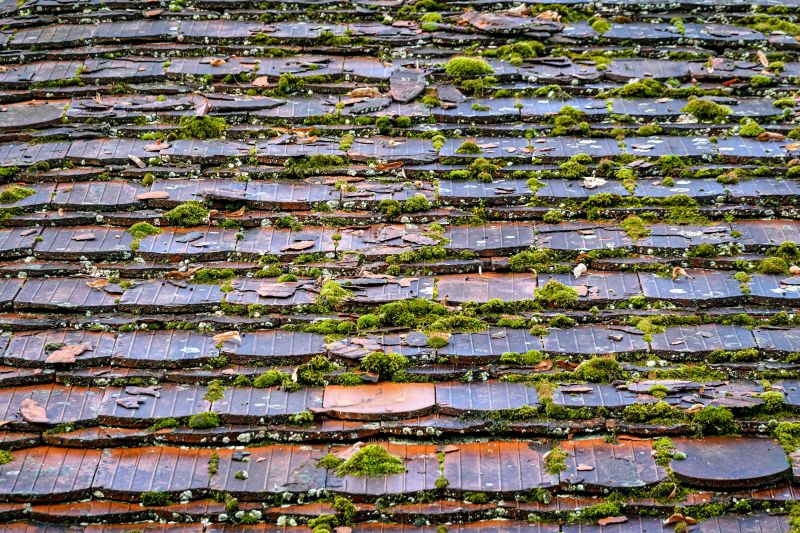
Working on the roof itself is a different matter. Falls from height remain the biggest killer in UK construction, accounting for around half of all deaths in the sector, and wet, moss-covered tiles are about the most slippery surface a house can offer. Professionals bring roof ladders, harness points, and towers; the £400-£800 a professional job costs is cheap against the alternative. There's also a subtler point: an experienced roofer scraping your tiles will spot the cracked tile, slipped flashing, or crumbling ridge mortar while they're up there - roughly 1 in 3 moss jobs we do turns up a small defect the owner didn't know about, caught while it's still a £100 fix.
Keeping the Moss From Coming Back
Nothing stops regrowth in this climate, but you can slow it a lot.
Biocide re-treatment every 2-3 years is the simplest option - a fraction of the cost of full removal, applied from ladders or with soft-wash equipment in a couple of hours.
Copper ridge strips or copper wire fitted along the ridge release trace copper ions when it rains, inhibiting growth in a band down the slope. Fitted for £150 - £300 on most roofs, they're most effective on the top 2-3 metres and can keep the upper slope largely clear for 10+ years. On a deep roof the effect fades towards the eaves, so treat them as a supplement rather than a cure.
Cutting back overhanging trees helps more than people expect - shade and leaf litter are moss's best friends, and slopes under tree cover green over roughly twice as fast.
Realistically, a Warrington roof on the north side will want attention every 3-5 years even with prevention in place. Budget for it the way you budget for gutter clearing - routine maintenance, not a crisis.
---
FAQ
Q: How much does roof moss removal cost in Warrington?
A: Manual scrape-and-brush removal costs around £250-£450 for a terraced house, £400-£800 for a three-bed semi, and £600-£1,200 for a detached property, including gutter clearance. A biocide treatment to slow regrowth adds £100-£250.
Q: Is pressure washing a tiled roof a good idea?
A: No. Pressure washing strips the weathered surface off concrete tiles, forces water under the tile laps, and can shorten tile life by 10 or more years. Manual scraping followed by an optional soft-wash biocide is the method reputable roofers use.
Q: How often does a roof in Warrington need moss removal?
A: With the North West's wet climate, expect moss to need attention every 3-5 years on affected roofs, with north-facing slopes greening fastest. Biocide re-treatment every 2-3 years or copper ridge strips can stretch the interval considerably.
Q: Does moss actually damage roof tiles?
A: Thick moss does. It holds water against the tiles through Warrington's 30-50 frost days a year, causing freeze-thaw surface damage on concrete tiles, wicks water under tile laps, and sheds debris that blocks gutters. A light surface dusting is harmless.
Q: Can I remove roof moss myself?
A: Only from the ground - a telescopic brush on low single-storey slopes and regular gutter clearing are sensible DIY. Working on the roof itself is dangerous on wet, mossy tiles; falls from height cause around half of UK construction deaths, so leave the roof to professionals with proper access equipment.
---
Ready to work with us?
We're here to help. Give us a call on 01264 554568 or fill out our short form below.