
Emergency Roof Repairs in Warrington: What to Do and What It Costs
Water coming through a ceiling is one of the few household problems that genuinely can't wait until Monday. Warrington gets around 870mm of rain a year spread across roughly 145 wet days, so when a roof fails here it usually fails while it's still raining - and every hour of active leaking adds to the damage below. A saturated ceiling can come down within 24-48 hours, and insurers report that escape-of-water claims average well over £2,000 once plaster, insulation, and electrics are involved. The good news is that most emergency roof repairs are smaller than they feel at 11pm: a handful of slipped tiles, a failed flashing joint, a felt tear. This guide covers what to do in the first hour, what an emergency roofer will and won't do on the night, and what a callout in Warrington actually costs.
What Counts as a Roofing Emergency
Not every leak is an emergency, and knowing the difference saves money. A genuine emergency is water actively entering the property, a hole or missing section of roof open to the sky, or debris hanging loose above a footpath or driveway. Roughly 1 in 5 out-of-hours roofing calls turn out to be problems that could safely have waited for a daytime visit at standard rates - often a damp patch from condensation or a blocked gutter overflowing, not a roof failure at all.
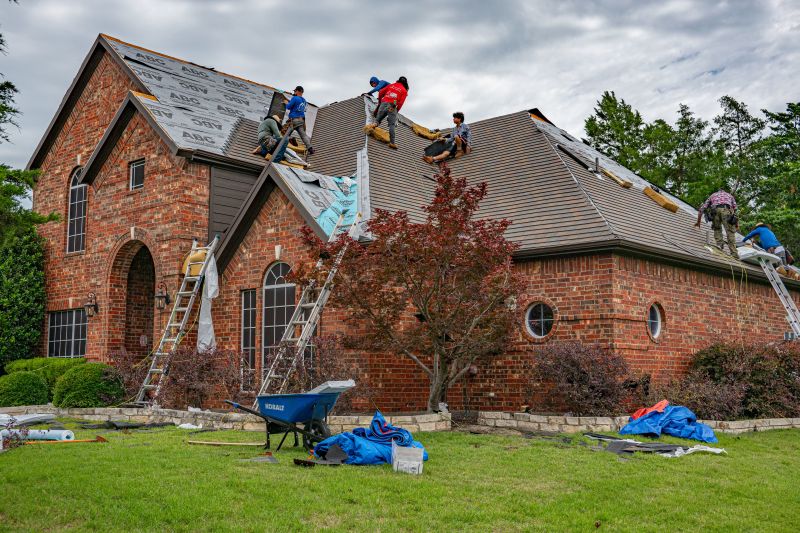
A slow stain that appears over days, a single damp corner, or moss and debris in the gutter can almost always wait. Water dripping steadily into a room, spreading across a ceiling, or running near light fittings cannot. If you're unsure, Northwest Roofing Contractors can usually tell you over the phone whether it needs a same-night visit or a next-day appointment - a two-minute call that can save you £100+ on an out-of-hours premium.
One rule worth keeping: if water is anywhere near electrics, treat it as an emergency regardless of volume. Around 50 house fires a year in the UK are attributed to water ingress reaching wiring.
What to Do in the First Hour
The first hour is about limiting damage, not fixing the roof. Done properly, these steps can cut the eventual repair bill by hundreds of pounds.
Inside the house
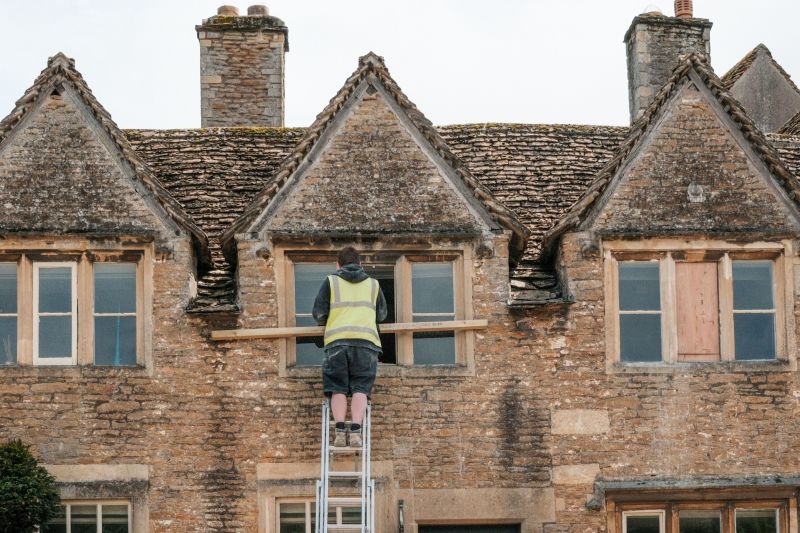
Move furniture and electricals out of the drip zone and get containers under the water - swap them before they overflow, as a steady drip can fill a washing-up bowl in 2-3 hours. If a ceiling is bulging with trapped water, place a bucket underneath and pierce the bulge with a screwdriver to release it in a controlled way. It feels wrong, but a controlled pint through a small hole beats an uncontrolled ceiling collapse - a saturated plasterboard ceiling can weigh 15kg per square metre.
If water is near light fittings or sockets, switch off the affected circuit at the consumer unit and leave it off until it's been checked.
What not to do
Don't go on the roof. Around 20% of construction fatalities in the UK involve falls from roofs, and those are people who work on them daily - a wet tiled roof at night is no place for a homeowner. Ladder work in the rain to "just have a look" is how a £150 repair becomes an A&E visit. Photograph the damage from ground level and from inside the loft if you can reach it safely; those photos matter for insurance.
What an Emergency Roofer Actually Does on the Night
An out-of-hours visit is about making the roof watertight, not restoring it. Expect a temporary fix on the night and a proper repair on a follow-up visit in daylight.
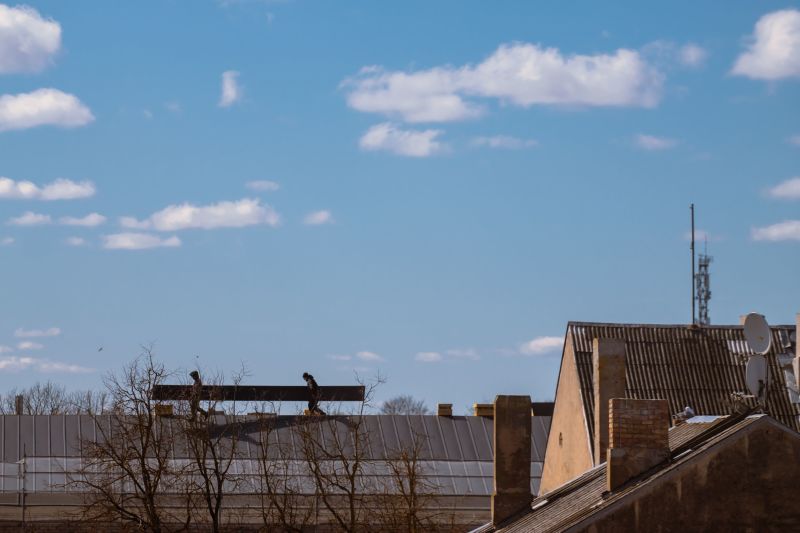
The most common emergency measure is sheeting - securing heavy-duty tarpaulin over the damaged area, battened or weighted so it survives wind. A well-fitted tarp will hold for 2-4 weeks, which is plenty of time to schedule the permanent repair. Where the problem is one or two slipped tiles and access is straightforward, a roofer may refit or replace them there and then, which is a permanent fix in perhaps 30% of callouts.
What a good roofer won't do is quote you for a full re-roof from a ladder in the dark. Diagnosing the full extent of damage needs daylight and a proper inspection. Be wary of anyone who arrives at midnight and immediately talks in thousands - the National Federation of Roofing Contractors' guidance on finding a reputable contractor is a sensible starting point for checking who you're dealing with before any major follow-up work is agreed.
What Emergency Roof Repairs Cost in Warrington
Out-of-hours work carries a premium, but it's smaller than most people fear.
Emergency callout (evenings/weekends), including first hour: £100 - £250. Some firms fold this into the repair cost if you proceed with them.
Temporary tarpaulin/sheeting of a damaged section: £150 - £400 depending on roof size and access.
Refitting or replacing 1-5 slipped or broken tiles: £150 - £350, often done on the night if conditions allow.
Emergency flashing repair around a chimney or junction: £200 - £450 as a temporary seal, with a proper lead repair to follow.
Follow-up permanent repair: typically £250 - £1,000 depending on what the daylight inspection finds.
As a rough rule, expect out-of-hours rates to run 1.5-2x standard daytime rates. Warrington sits well for trades availability - the M62 and M6 corridors mean roofers from across the Warrington, Widnes, and St Helens area can reach most WA postcodes within 45 minutes, so genuine 24-hour cover exists here in a way it doesn't in more rural parts of Cheshire. That competition also keeps callout premiums closer to the bottom of the ranges above.
Why Warrington Roofs Fail When They Do
Warrington's housing stock is unusually split. The Victorian terraces around the town centre, Latchford, and Orford carry slate roofs now well past 100 years old, where the nails holding slates ("nail sickness") fail long before the slates themselves do - one storm and several let go at once. Meanwhile the new-town estates built out from the 1970s onwards in Birchwood, Westbrook, and Callands used concrete interlocking tiles that are now 40-50 years into a 50-60 year design life, with mortar ridges and verges reaching the end first.
Add the North West's weather - the Met Office UK climate averages show this region takes noticeably more rain than the England average, with autumn and winter Atlantic fronts bringing the 50mph+ gusts that lift tiles - and you get a clear pattern. Emergency callouts in Warrington cluster between October and March, and spike in the 48 hours after a named storm.
The usual suspects
In practice, four faults account for the large majority of emergency calls: slipped or broken tiles (roughly 40% of cases), failed flashing at chimneys and junctions, torn or perished flat roof felt on extensions and garages, and ridge or verge mortar letting go. We've covered the flashing side in detail in our guide to lead flashing repairs in Warrington- worth a read if your leak traces back to the chimney, because flashing failures rarely fix themselves.
Will Insurance Cover It?
Usually, partly. Most buildings insurance covers sudden storm damage - tiles ripped off in high winds, and the internal damage the water causes. What policies generally exclude is gradual deterioration: if the loss adjuster decides the roof failed because it was worn out rather than because of a specific storm event, the claim can be reduced or refused. Industry figures suggest around 1 in 5 storm damage claims are declined, most often on wear-and-tear grounds.
Three things improve your position. Photograph everything before temporary repairs are made. Keep every receipt, including the emergency callout - reasonable emergency mitigation costs are usually recoverable. And act fast, because insurers expect you to limit the damage; leaving a known leak for a week can itself void parts of a claim. Note the date and, if a named storm was involved, the storm name - it makes validating the claim far easier.
Choosing Who to Call at Short Notice
Emergencies are when rogue traders do their best business, because nobody comparison-shops with water coming through the ceiling. A few 60-second checks protect you: a real local address and landline, reviews that mention Warrington specifically, and membership of a recognised scheme - you can check any firm on the TrustMark register of government-endorsed tradespeople in under a minute.
Get the callout fee and hourly rate stated before anyone travels, and get it in writing by text if you can. Agree on the night only to the temporary fix; sleep on any quote for major work. A legitimate roofer expects that. Better still, save a local roofer's number before you need it - the best time to choose an emergency contractor is on a dry Tuesday afternoon, not at midnight in a storm. Around 70% of our emergency calls come from households who found us in the moment; the calmer 30% who already had a number got faster, cheaper visits.
---
FAQ
Q: How much does an emergency roofer cost in Warrington?
A: Expect a callout fee of £100-£250 for evenings and weekends, with temporary repairs such as tarpaulin sheeting adding £150-£400. Small permanent fixes like replacing a few slipped tiles run £150-£350. Out-of-hours rates are typically 1.5-2x daytime rates.
Q: What should I do while waiting for an emergency roofer?
A: Contain the water with buckets, move furniture and electricals clear, and pierce any bulging ceiling over a bucket to release trapped water in a controlled way. Switch off circuits near the leak. Photograph everything for insurance. Do not go on the roof.
Q: Will my home insurance pay for emergency roof repairs?
A: Most buildings policies cover sudden storm damage and the internal damage it causes, but exclude gradual wear and tear. Photograph the damage before temporary repairs, keep all receipts including the callout fee, and report the claim promptly.
Q: Can a roofer permanently fix my roof on an emergency night visit?
A: Sometimes - straightforward jobs like refitting a few slipped tiles are often completed on the night. Most emergency visits end with a watertight temporary fix (usually secured tarpaulin, good for 2-4 weeks) and a permanent repair on a daylight follow-up visit.
Q: Is a leaking roof always an emergency?
A: No. Water actively entering the property, holes open to the sky, or loose debris above walkways are emergencies. A slow stain or damp patch appearing over days can usually wait for a standard daytime appointment, which avoids the out-of-hours premium.
---
Ready to work with us?
We're here to help. Give us a call on 01264 554568 or fill out our short form below.