
Roof Repair vs Replacement in Warrington: How to Decide What Makes Sense
Most Warrington homeowners facing a roof problem ask the wrong question first. They ask "how much?" when the question that actually saves money is "repair or replace?". Get that call right and a £250 repair keeps you dry for another decade. Get it wrong and you either spend £6,000 on a roof that needed £400 of work, or pour money into rolling repairs on a roof that was always going to need replacing. Repairs in Warrington typically run £150-£900, while a full re-roof on an average semi sits around £5,000-£9,000, so the gap is big enough that the decision matters more than the day-rate. Across a town whose housing runs from Victorian terraces in Bewsey and Latchford to the new-town estates at Birchwood, Callands and Chapelford, the right answer is rarely one-size-fits-all. This guide gives you a straightforward way to decide, using the age of your roof, the type of your house, and how Warrington's wet climate speeds everything up.
Start With the Age and Type of Your Warrington Roof
Before you weigh any quote, you need two facts: roughly how old the covering is, and what it is made of. Those two things decide more than anything a salesman will tell you at the door. If you are not sure, Northwest Roofing Contractors can date and assess a roof properly rather than guessing from the pavement.

The rough lifespans are worth memorising. A felt flat roof lasts 10-15 years, concrete interlocking tiles 30-50 years, and natural slate 80-100 years or more if the fixings hold. A roof at 40% of its expected life with one fault is almost always a repair. A roof at 90% of its life with the same fault is usually the start of a replacement conversation, even if today's leak is small.
Material matters just as much. Warrington's older terraces tend to run natural or Welsh slate on iron nails, while the postwar and new-town estates use concrete tile over bitumen felt. Concrete tiles rarely fail themselves - it is the mortar, nails and underlay beneath them that give out, which is why an estate roof can look sound from the road and still be leaking.
When a Repair Is Genuinely the Smart Money
A repair is the right call when the problem is isolated and the rest of the roof has life left. A handful of slipped tiles after a gale, one length of failed chimney flashing, or a small split in a flat-roof felt are classic repair jobs - fix the specific fault and you have solved the problem for a few hundred pounds. Roughly two-thirds of the roof faults we see in Warrington fall into this category.
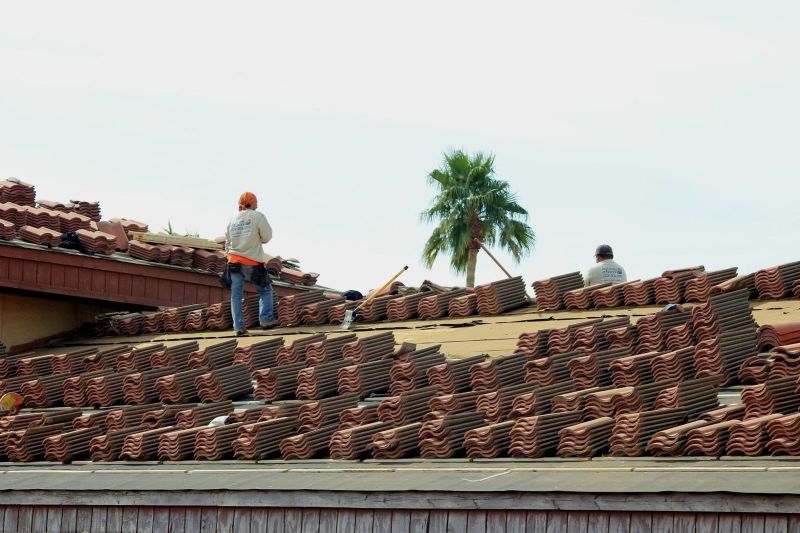
Age is the deciding factor. A tiled roof under 20 years old with one identifiable issue is nearly always worth repairing, because the covering still has decades in it. There is no sense replacing an entire roof over one localised failure the rest of the roof will outlast by 20 years.
Repairs also win when you have a fixed plan for the property. If you are selling within two or three years, a sound repair that keeps the roof watertight is usually the smarter spend than a replacement whose value you will hand to the next owner.
When Replacement Is the Better Long-Term Value
Replacement starts to make sense once repairs stop being one-offs. A useful rule of thumb: if you have called a roofer out more than once a year for two or three years running, each time to a different part of the roof, the covering as a whole is failing and the faults are just surfacing one at a time. At that point patching is throwing good money after bad.
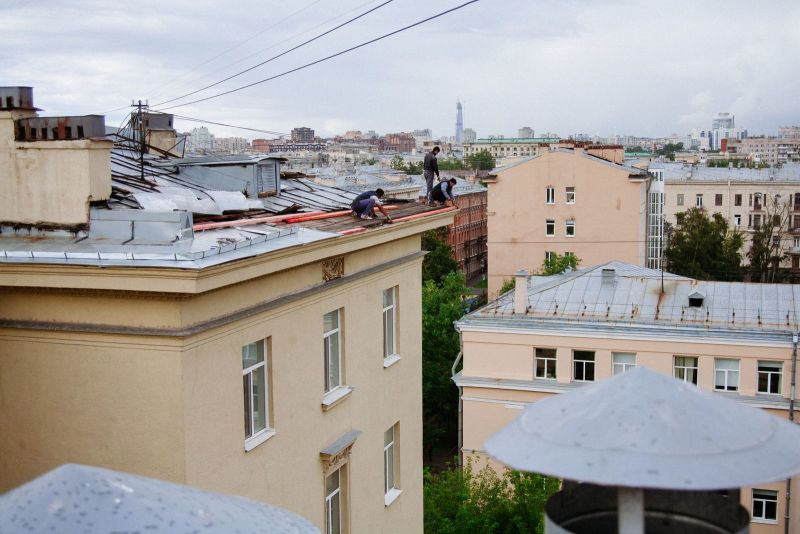
The maths is simple enough to do on the back of an envelope. Three call-outs at £200-£300 across a couple of winters is £600-£900, and if the underlay and nails are going generally you will keep paying it. A £5,500 re-roof spread across a 50-year life is about £110 a year. Once rolling repairs start costing more per year than a new roof would, replacement is the cheaper option even before you count the hassle.
Structural problems settle the argument entirely. If a survey finds the roof deck has softened from years of water ingress, or the rafters are sagging, patching the covering just delays the inevitable and often makes the eventual replacement pricier because more has to be stripped back.
The Warrington Housing Types and What Each Tends to Need
Warrington's split personality - Victorian town and postwar new town - means the repair-or-replace answer often runs by neighbourhood.

Victorian and Edwardian Terraces
Around Bewsey, Latchford, Orford and the town centre, the terraces are 100-plus years old with natural slate on iron nails. Here the enemy is nail sickness - the fixings rust through and whole runs of slate slip in a single winter. On these roofs, once you are refixing slates every year, replacement usually wins, because the nails failing in one area means they are failing everywhere. A full slate re-roof on a terrace runs roughly £5,500-£9,500 but resets the clock for half a century.
Postwar and New-Town Estates
At Birchwood, Callands, Chapelford, Westbrook and Woolston, the roofs are concrete tile laid from the 1960s through the 1990s. The tiles themselves often have years left, but the bitumen felt underlay and the mortar bedding are the parts that fail first. On these, targeted repairs - re-bedding ridges, replacing perished flashing, patching underlay at the eaves - frequently buy a good decade more, so replacement can often wait longer than owners expect.
How the Wet North West Climate Tips the Balance
Warrington's weather pushes every roof towards its replacement date faster than a drier region would. The town sees around 800-850mm of rain across roughly 140 wet days a year, and that constant damp is what drives moss, timber rot, and the slow failure of mortar and felt. The Met Office UK climate averages show the North West running well above the England average for rainfall, which is exactly why roofs here reach the repair-or-replace decision sooner.
Freeze-thaw is the mechanism that does the damage. Moss holds water against the tiles, and across Warrington's 30-45 frost nights a year that water freezes, expands by about 9%, and spalls the surface off concrete tiles while lifting slates. A roof that would last 50 years in a dry, sheltered spot can hit its replacement point closer to 40 here.
That climate effect is a real argument for acting on the decision rather than delaying it. A borderline roof that gets one more wet Warrington winter of neglect is often the one that tips from "repairable" to "replace", so a clear decision now usually costs less than a forced one later.
Watch Out for Unnecessary Replacements
Not every roofer who recommends a full replacement is being straight with you. A roof with plenty of life left and one obvious fault should be quoted as a repair, and a contractor who reaches for a re-roof on it is either overcautious or after the bigger invoice. We looked at this in detail in our guide on how Warrington homeowners can spot an unnecessary roof replacement, and the warning signs are worth knowing before anyone climbs a ladder.

The protection is the same as for any roofing work: use a firm you can check. Look a contractor up on the TrustMark register of government-endorsed tradespeople, and the National Federation of Roofing Contractors' guidance on choosing a roofing contractor is a solid checklist of what to ask. Warrington is well served for trades, sitting on the M6 at junctions 20 and 21 and the M56 nearby, so plenty of established firms cover the town and you never need to accept the first pushy quote.
The single best defence against paying for the wrong job is a second opinion. If one roofer says replace and the price makes you wince, get a second and a third written assessment for the same roof - genuine firms expect it, and the honest ones will happily explain why they landed where they did.
Getting a Decision You Can Trust in Warrington
The most valuable thing a roofer can give you is not a verdict on the spot, it is an honest read of what they found: how long a repair would realistically last, what a replacement would buy you, and how that stacks up against your own plans for the house. A repair that gets you to a planned sale is a good decision even if a replacement would technically be "better". A replacement that ends years of rolling call-outs is a good decision even if today's leak looks small.
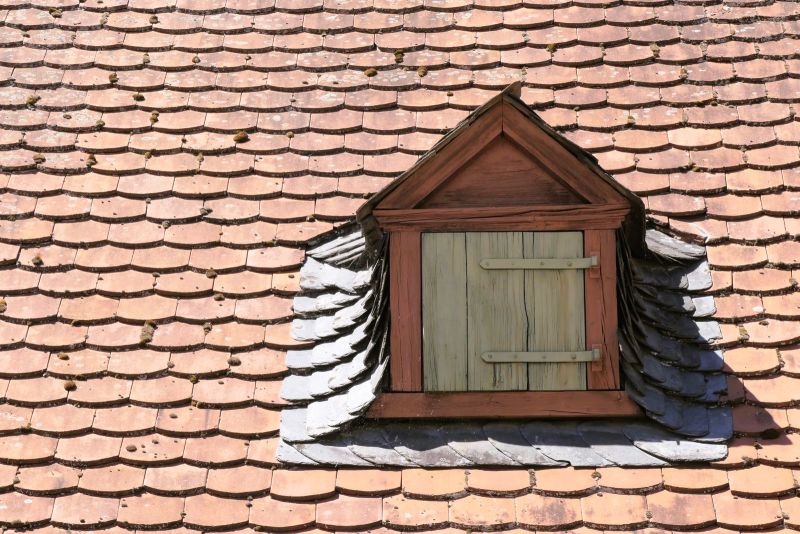
Be equally wary of the roofer who pushes replacement on a roof with obvious life left and the one who keeps patching a roof that has clearly failed. Either way you are buying an opinion as much as the work. Ask for the reasoning in writing, get more than one, and make sure the opinion you act on is one you can trust.
---
FAQ
Q: How do I decide between repairing and replacing my roof in Warrington?
A: Start with the age and material of your roof. A covering under about 60% of its expected life (roughly 10-15 years for felt, 30-50 for concrete tile, 80-plus for slate) with one isolated fault is almost always a repair. A roof near the end of its life, or one needing more than one call-out a year across two or three years, is usually a replacement. Structural problems like a sagging deck settle it in favour of replacement.
Q: How much does a roof repair cost in Warrington compared with a replacement?
A: Repairs typically run £150-£900 depending on the fault and access, while a full re-roof on an average semi sits around £5,000-£9,000, and £5,500-£9,500 for a natural slate terrace. Spread over a 50-year life, a re-roof works out around £110 a year, so once rolling repairs cost more than that annually, replacement is the cheaper option.
Q: Does Warrington's housing type change the repair-or-replace decision?
A: Yes. The Victorian terraces around Bewsey, Latchford and the town centre run natural slate on iron nails, so once nail sickness sets in and slates slip yearly, replacement usually wins. The postwar and new-town estates at Birchwood, Callands and Chapelford use concrete tile, where the tiles often last but the underlay and mortar fail first, so targeted repairs can buy another decade.
Q: How can I avoid paying for a roof replacement I don't need in Warrington?
A: Get more than one written assessment for the same roof, and be wary of any contractor recommending a full re-roof on a roof with obvious life left and one clear fault. Check the firm on the TrustMark register, ask for their reasoning in writing, and treat a pushy "replace it all" quote as a reason to get a second opinion, not to sign.
---
Ready to work with us?
We're here to help. Give us a call on 01264 554568 or fill out our short form below.