Roof Repairs in Golborne: Common Problems, Costs, and Who to Call
Golborne wears its history on its roofs. The tight rows of Victorian terraces off High Street, Legh Street and the old colliery neighbourhoods were built for pit and mill workers over a century ago, and their slate roofs are long past the life they were designed for. Newer housing towards Lowton and the estates that filled in from the 1970s onward now runs concrete tile that is starting to age too. Sitting in the wet south-eastern corner of the Wigan borough, Golborne takes roughly 830-870mm of rain a year across about 140 wet days, so small faults turn into leaks quickly - a slipped slate fixed early might cost £80-£160, while the same slip left over a winter can mean a ceiling repair running well into four figures. This guide walks through the roof problems that come up most often in Golborne, what repairs realistically cost in 2026, how the town's mining past plays into it, and how to find a roofer who does the job properly.
The Roof Problems Most Common in Golborne
The faults a roofer sees around WA3 track the age of the house closely. On the old colliery and mill terraces, slipped and cracked slates are the number one call-out. The original iron nails rust through - the trade calls it "nail sickness" - and once one slate lets go, the ones around it usually follow within a season. On Golborne's period terraces, something like 7 in 10 pitched-roof repairs trace back to failed fixings rather than the slate itself, which is why patching a single slate rarely holds for long on a roof that age.
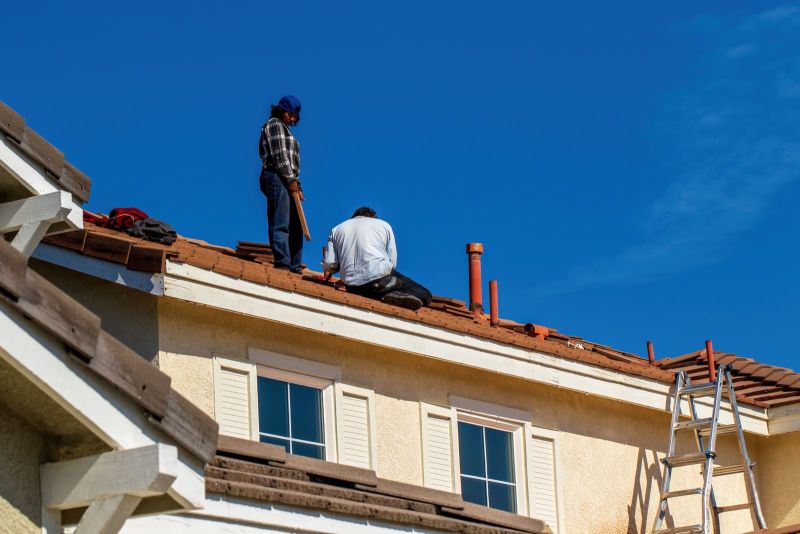
On the later estates towards Lowton and the newer closes, it is a different story. Many of those roofs use concrete interlocking tiles laid over a bitumen felt underlay, and both are now 30-50 years old. The tiles lose their surface and go porous, while the felt beneath goes brittle and tears at the eaves, so any gap in the tiles above sends water straight into the loft. Cracked ridge and hip mortar is another regular fault across both old and new stock, letting ridge tiles rock loose in the wind.
Flat roofs over rear extensions, back kitchens and garages are a weak point everywhere in town, since a traditional felt flat roof has a realistic life of only 10-15 years. If you want a straight answer on what your roof actually needs before you spend anything, Northwest Roofing Contractors can give you an honest steer rather than a sales pitch.
What Roof Repairs Cost in Golborne in 2026
Prices move with height, access and how much has failed, but here is what to budget for common repairs in the Golborne area in 2026:
Replacing a few slipped tiles or slates: £80-£210
Re-bedding or re-pointing a full ridge: £300-£720
Repairing or replacing lead flashing around a chimney: £200-£520
Patching a felt flat roof: £150-£420
Small area of felt or underlay repair at the eaves: £250-£600
Chimney repointing or a minor rebuild: £400-£1,250
These figures assume ladder or small-tower access. A lot of Golborne's older terraces have no rear vehicle access and only a narrow shared entry, so a job that needs scaffolding to reach the back slope safely typically adds £150-£520. Flag the access when you ask for a quote rather than being surprised by a scaffold charge later - the terraces around the town centre are exactly the sort where a roofer needs to see the rear before pricing it properly.
Why Golborne's Colliery and Mill Terraces Fail Differently
Golborne's industrial-era housing went up quickly and cheaply for a working population, and that shows in the roofs. The colliery and mill terraces were built with thin slate on iron nails and lightweight timber battens - fine for the 1900s, but well over a century of Lancashire weather has rusted the nails and softened the batten ends. This is why whole runs of slate can slip in a single winter here rather than one at a time.
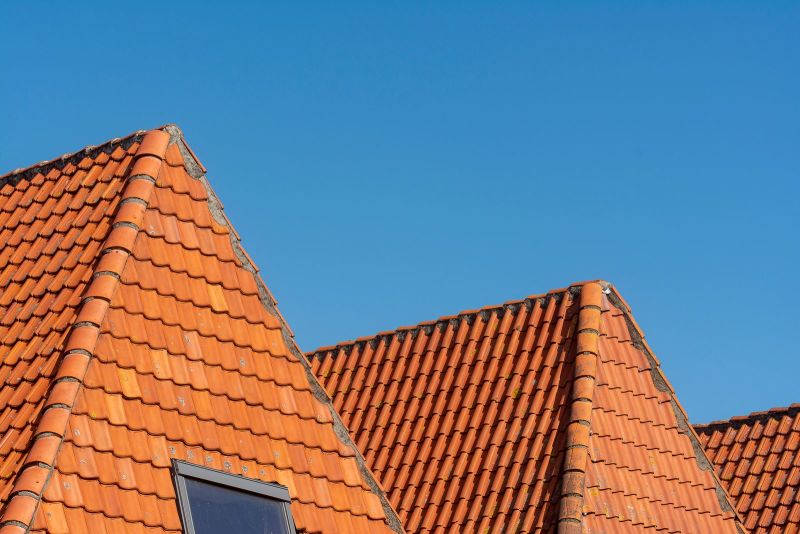
Chimneys are another Golborne-specific headache. Almost every terrace was built with a fireplace in most rooms, so the stacks are tall, often shared with the neighbour across the party wall, and laid in soft lime mortar that weathers back faster than modern cement. After 120 years the top course or two of a stack is frequently soft enough to rake out by hand, and the lead flashing where it meets the roof is the single most common leak point on these homes.
Former Mining Ground and Subsidence
Golborne sat at the heart of the Lancashire coalfield, and the town lost 10 men in the 1979 colliery explosion - the pit closed a few years later. Parts of the town are built over old workings, and long-term ground settlement can leave a roof or chimney slightly out of true, opening gaps at flashings and ridges that a level roof would not have. It rarely means anything dramatic on the roof itself, but it does mean a Golborne roofer checks the lines of a stack and the fit of the flashings more carefully than they might in a town with no mining history. A ridge line that dips in the middle, seen from the pavement, is worth having looked at properly.
How the Wet North West Climate Punishes Golborne Roofs
Roofs in Golborne work harder than those in the drier east of the country, and the weather explains most of the repair bills. The town's 830mm-plus of annual rainfall keeps roofs damp for long stretches, and persistent wet is what drives moss growth, timber rot, and the slow failure of mortar and felt. The Met Office UK climate averages show the North West running consistently wetter than the England average, which is exactly why regular checks pay off around here.
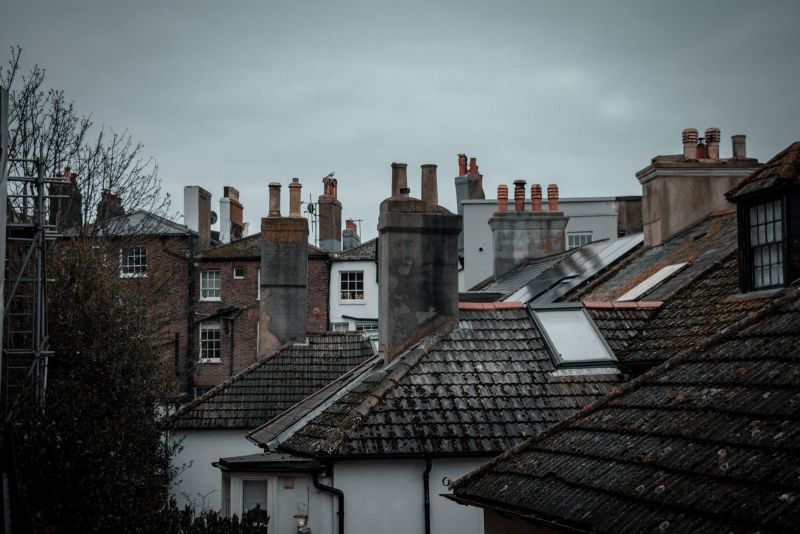
Moss is more than a cosmetic issue on a Golborne roof. It holds water against the tiles, and across the region's 30-50 air-frost nights a year that trapped water freezes, expands by about 9%, and spalls the surface off concrete tiles while lifting slates. A north-facing slope that gets little winter sun, or one shaded by the mature trees along the older streets, can build a thick moss mat within a few years. We covered the fuller maintenance picture in our guide to roof cleaning costs in Warrington and what to avoid, and the same logic applies right across Golborne - clearing moss and checking flashings each year is far cheaper than fixing the damage they cause when left.
Wind matters too. Golborne sits on fairly open, low-lying ground beside the East Lancs Road, with few natural windbreaks, and gusts get under any slate or ridge that is already loose. Most storm call-outs a local roofer takes are not caused purely by the wind - they are existing weak points the wind simply finished off.
Spotting a Roof Problem Before It Leaks
The cheapest roof repair is the one you catch before water gets inside. From the ground with a pair of binoculars you can spot most early warning signs - slipped or missing slates, ridge tiles sitting unevenly or with gaps in the mortar, and lighter patches where a slate has cracked or gone.
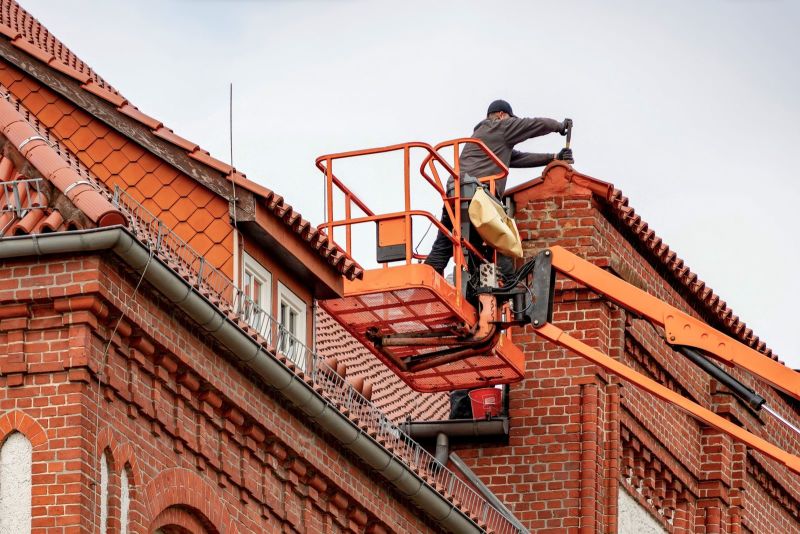
Inside, the loft tells the real story. On a bright day, turn the light off and look up: any pinpricks of daylight through the roof mean gaps letting weather in. Dark stains on the rafters, a musty smell, or damp patches in the insulation all point to water getting past the covering. Around 1 in 5 homeowners only finds a roof fault when a stain appears on a bedroom ceiling, by which point the repair is bigger and a plasterer is involved too.
Pay particular attention to the chimney, valleys and flashings, because cracked or lifted lead is one of the most common leak sources on Golborne's older roofs and it can track water a surprising distance before it shows indoors. An annual look from a roofer while the gutters are being cleared is cheap insurance against a much larger bill.
Repair or Replace? Making the Call
Not every ageing roof needs replacing, and a decent roofer will tell you when a repair is the sensible spend. If the covering is generally sound and you have a handful of slipped slates or one failed flashing, repair is clearly the right call - a couple of hundred pounds against several thousand for a re-roof.
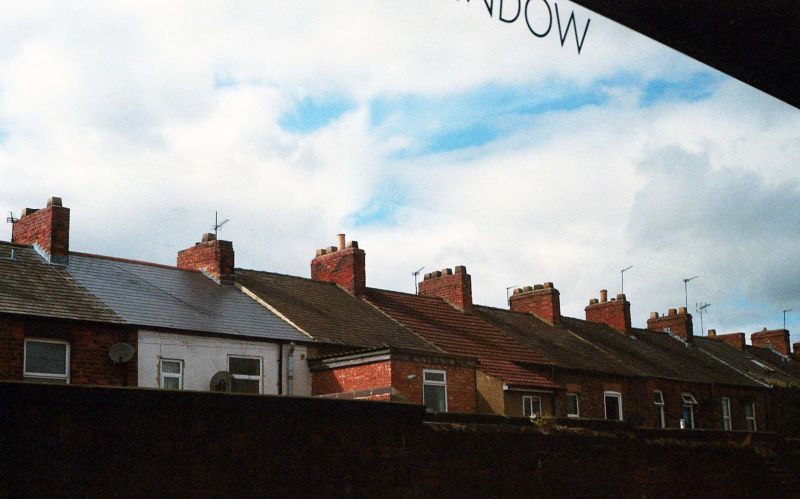
The picture changes when the underlying materials are failing across the whole roof. On an old Golborne terrace with widespread nail sickness, patching one slip just moves the problem to the next weak spot, and you can spend more on rolling repairs over a few years than a proper re-roof would have cost.
When Replacement Is the Cheaper Choice
If you are paying £150-£280 two or three times a winter to refix slates that keep slipping because the nails have all corroded, you can burn through £1,200 or more in rolling repairs across three or four years and still have a failing roof. A full re-roof on a typical Golborne terrace usually runs £5,500-£9,500 depending on size, access and whether the chimney and flashings are done at the same time - and it resets the clock for decades. Once the fixings are going generally rather than in one spot, replacement usually wins on both cost and hassle. If your roof is in that window and leaking in more than one place, get a replacement quote alongside the repair one so you can compare properly.
How to Find a Roofer You Can Trust in Golborne
Roofing attracts more than its share of doorstep callers, and towns like Golborne get them after every storm with the "we're working nearby and noticed your roof" line. The safest move is to ignore anyone who finds you and choose an established local firm yourself instead.
Check credentials before you let anyone up a ladder. A genuine roofing contractor is insured, gives you a written quote with a clear scope, and is happy to be checked out. You can look a firm up on the TrustMark register of government-endorsed tradespeople, and the National Federation of Roofing Contractors' guidance on choosing a roofing contractor is a solid checklist of what to ask. Golborne is well placed for trades, sitting right on the East Lancs Road (A580) with the M6 at Haydock a couple of minutes away, so firms covering Golborne, Leigh, Lowton and Warrington can reach WA3 easily and competition is healthy - no need to accept a pushy first quote.
Get two or three written quotes for anything beyond a minor fix, and make sure they cover the same work, with materials, scaffold and waste removal clearly included or excluded. Never pay in full up front; a deposit with the balance on completion is normal, and a reputable firm backs the job with a written workmanship guarantee.
---
FAQ
Q: How much do roof repairs cost in Golborne?
A: Common repairs in 2026 run roughly £80-£210 to replace slipped slates, £300-£720 to re-bed a ridge, £200-£520 for chimney flashing, and £150-£420 to patch a felt flat roof. Many older terraces have no rear vehicle access, so scaffold to reach an awkward back slope safely typically adds £150-£520 - worth flagging when you ask for a quote.
Q: Does Golborne's mining history affect roofs?
A: It can. Parts of the town are built over old coal workings, and long-term ground settlement can leave a roof or chimney slightly out of true, opening gaps at flashings and ridges. It rarely means anything dramatic, but a Golborne roofer will check the lines of a stack and the fit of the flashings more carefully than in a town with no mining past. A ridge that visibly dips is worth a proper look.
Q: What are the most common roof problems in Golborne?
A: On the older colliery and mill terraces it is slipped slates from corroded nail sickness fixings, tall stacks in soft lime mortar, and failed lead flashing. On the newer Lowton estates it is ageing concrete tiles going porous and cracked ridge mortar. Felt flat roofs over extensions and garages are a common weak point across both.
Q: How do I find a trustworthy roofer in Golborne?
A: Avoid doorstep callers who appear after storms and choose an established firm yourself. Check they are insured and listed on the TrustMark register, get two or three written quotes covering the same scope, and never pay in full up front - a deposit with the balance on completion is standard, backed by a written workmanship guarantee. Golborne's spot on the A580 means plenty of local firms compete for the work.
---
Ready to work with us?
We're here to help. Give us a call on 01264 554568 or fill out our short form below.