
Slipped and Loose Roof Tiles in Warrington: Causes, Costs, and Fixes
A single slipped tile looks harmless from the pavement, which is exactly why so many get ignored until water is already in the loft. Warrington sees around 870mm of rain across roughly 145 wet days a year, and it's the wind that comes with those Atlantic fronts - regular 50mph+ gusts between October and March - that lifts and shifts tiles one or two at a time. Industry data suggests slipped or broken tiles account for roughly 40% of all pitched-roof repair calls, and a gap of just one tile can let several litres of water into a roof space during a single storm. The frustrating part is that a same-day fix might cost £80 to £180, while the ceiling repair it prevents runs into four figures. This guide covers why tiles slip in Warrington specifically, how to spot it early, what the fix costs, and when a patch stops being enough.
Why Roof Tiles Slip in the First Place
Tiles don't usually fall because they're faulty - they fall because whatever was holding them has given up. On older Warrington roofs the culprit is almost always the nails or the mortar, not the tile itself. If you're seeing tiles out of line and want a straight answer on the cause, Northwest Roofing Contractors can usually narrow it down from a few photos before anyone climbs a ladder.
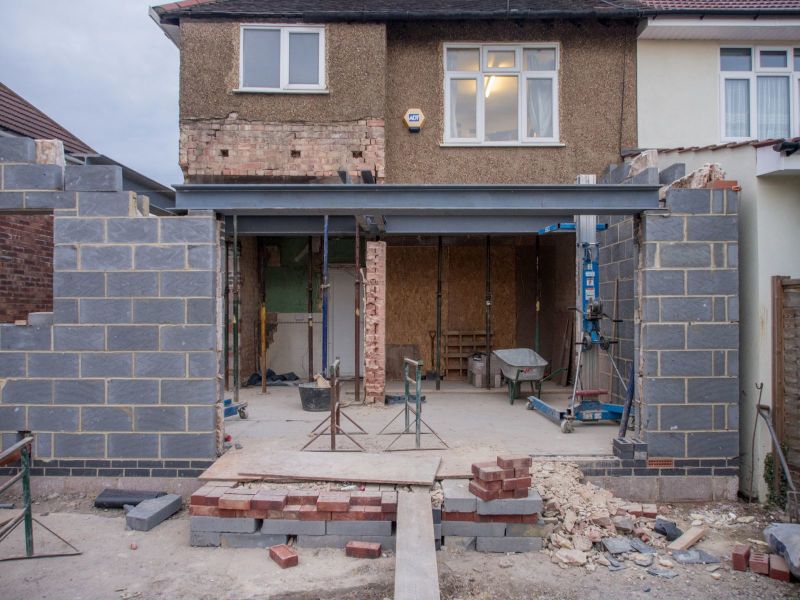
The single biggest cause across town is "nail sickness". Slate and clay tiles were fixed with iron or steel nails that corrode over decades, and once a nail rusts through, gravity and wind do the rest. On a roof past 80 years old, it's common for nails to fail in clusters, so one windy night can loosen five or six slates at once rather than a tidy single tile.
The other big one is mortar. Ridge tiles, verges, and hip tiles bedded in sand-and-cement mortar rely on that bond staying intact, and mortar has a working life of around 20 to 30 years before it cracks and crumbles. Once the pointing goes, the tiles it held sit loose and start to creep downhill.
How Warrington's Housing Stock Changes the Picture
Warrington is unusually split between two very different roof types, and the slipped-tile problem looks different on each. Knowing which camp your house falls into tells you a lot about what's likely going wrong up there.

Victorian terraces - slate and nail sickness
The terraces around the town centre, Latchford, and Orford mostly carry natural slate roofs that are now well over 100 years old. The slate itself can easily last another 50 years, but the original nails are long past done. This is why you'll see terraces where slates have been face-fixed with clips or "tingles" - little metal strips holding a slipped slate back in place. Tingles are a reasonable stopgap, but when you spot three or four on one roof it usually means the whole slope is nail-sick and creeping towards a strip-and-relay rather than a patch.
New-town estates - concrete tiles and mortar
The estates built out from the 1970s in Birchwood, Westbrook, and Callands used concrete interlocking tiles. These are heavier and mechanically clipped, so individual slips are rarer, but they're now 40 to 50 years into a 50 to 60 year design life. Here the weak point is the mortar on ridges and verges going first, and the tiles fading and growing brittle, so a slip often means a crack rather than a clean slide.
Spotting a Slipped Tile Before It Costs You
You don't need to go up on the roof to catch this early - most slipped tiles are visible from the ground with a decent pair of eyes or a phone zoom. Catching it early is the whole game, because a tile caught in week one is an £80 job and a tile ignored until the ceiling stains is a £1,000+ one.
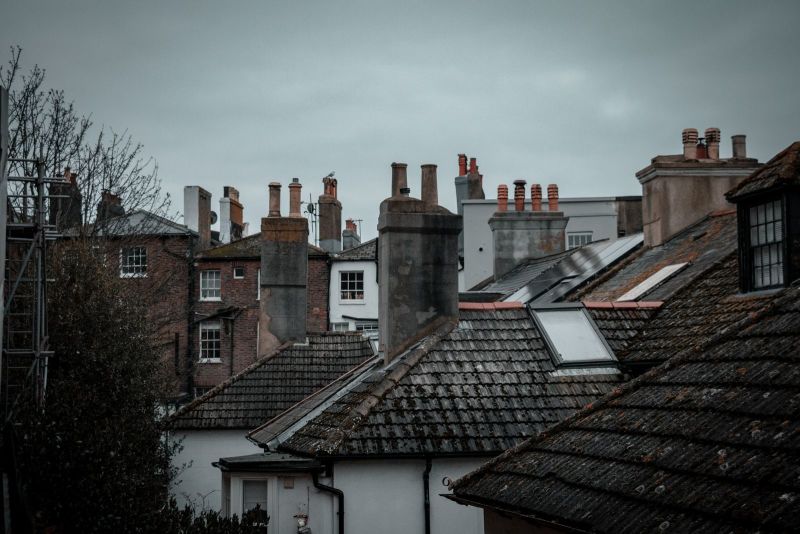
From the garden or the street, look for a tile sitting lower than its neighbours, a dark gap where the underlay shows through, or a tile that's rotated out of line. After any windy spell, do a quick walk around the whole house - slips often happen on the sheltered side where you'd least expect, because wind lifts tiles by getting underneath them. Roughly 1 in 3 homeowners only discover a slipped tile after seeing a damp patch indoors, by which point the underlay and battens may already be soaked.
Inside, the loft tells the truth. On a dry day, a torch will pick out any pinpricks of daylight through the roof, and a hand on the timbers finds damp before a stain ever reaches the ceiling below. Water stains on the underside of the felt or dark tide-marks on the rafters mean water is already getting past the tiles.
What It Costs to Fix Slipped Tiles in Warrington
The good news is that tile repairs are one of the cheaper roofing jobs, especially caught early. Prices vary with access and height, but Warrington rates are competitive thanks to a healthy supply of trades.
Refitting or replacing 1-3 slipped tiles: £80 - £220, often done in a single short visit.
Replacing 4-10 tiles across a slope: £200 - £450, depending on access and whether scaffolding or a tower is needed.
Re-bedding ridge or verge mortar (per linear metre): £40 - £70, with a typical terrace ridge running £300 - £600.
Sourcing matching reclaimed slates for a period terrace: adds £2 - £5 per slate, as heritage matches cost more than modern concrete.
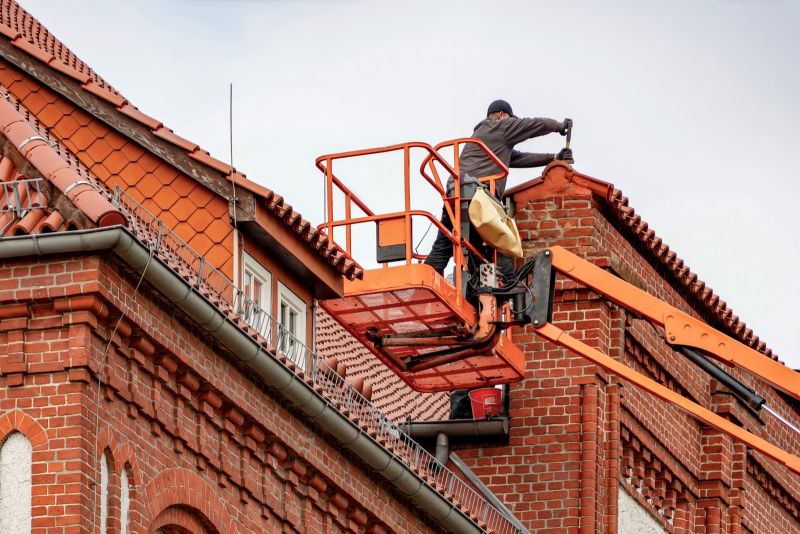
Scaffold or access tower where a ladder won't safely reach: £150 - £400 on top, which is why bundling several small jobs into one visit saves money.
A big driver of the final bill is access, not the tile. A bungalow gable is a ladder job; a three-storey terrace on a main road may need a tower or a road-side scaffold. Warrington sits well here - the M62 and M6 corridors mean roofers from across Warrington, Widnes, and St Helens can cover most WA postcodes, and that competition keeps small-job pricing keener than you'd find in more rural Cheshire.
When a Patch Isn't Enough Anymore
There's a point where replacing tiles one at a time stops being sensible, and a good roofer will tell you when you've reached it. Paying £150 three times a year to chase slips across a nail-sick roof is money you could put towards a permanent fix.
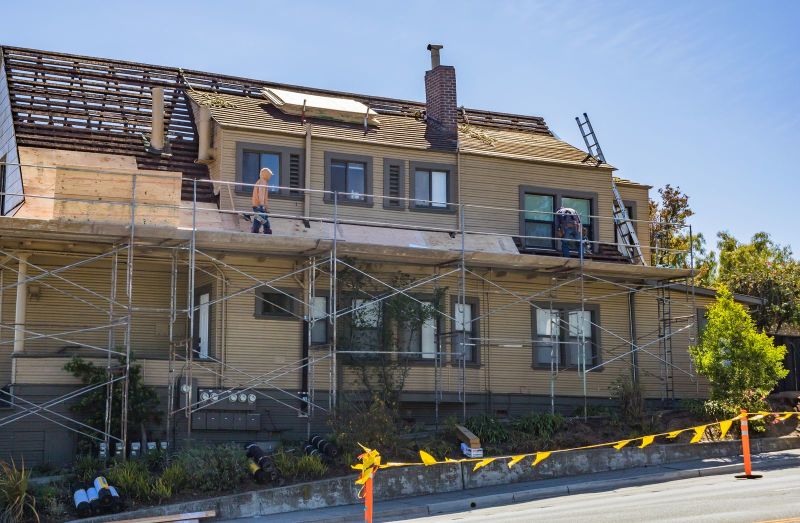
The clearest signal is repetition. If you're replacing slipped slates every few months and each storm brings down a fresh handful, the nails have failed wholesale and the slope needs stripping and relaying with new fixings. As a rule of thumb, once you're regularly losing tiles across more than about 20% of a slope, a relay usually works out cheaper over five years than endless callouts. We go into the full trade-off in our guide to when repair beats replacement in our roof repair vs replacement cost breakdown- worth a read if you're tired of the same conversation every autumn.
Age matters too. A concrete-tiled estate roof at 50 years, or a slate terrace where the underlay has perished, is often at the stage where reusing the good tiles over fresh felt and battens gives you another 40 to 50 years. The tiles frequently outlast everything holding them up, so a relay isn't always a re-roof.
Choosing a Roofer for Tile Work in Warrington
Small jobs attract chancers, because a "quick tile fix" is easy to overcharge for and hard to check afterwards. A few minutes of vetting protects you. Look for a real Warrington address and landline, reviews that name local streets or areas, and membership of a recognised scheme - you can confirm any firm on the TrustMark register of government-endorsed tradespeople in about a minute.
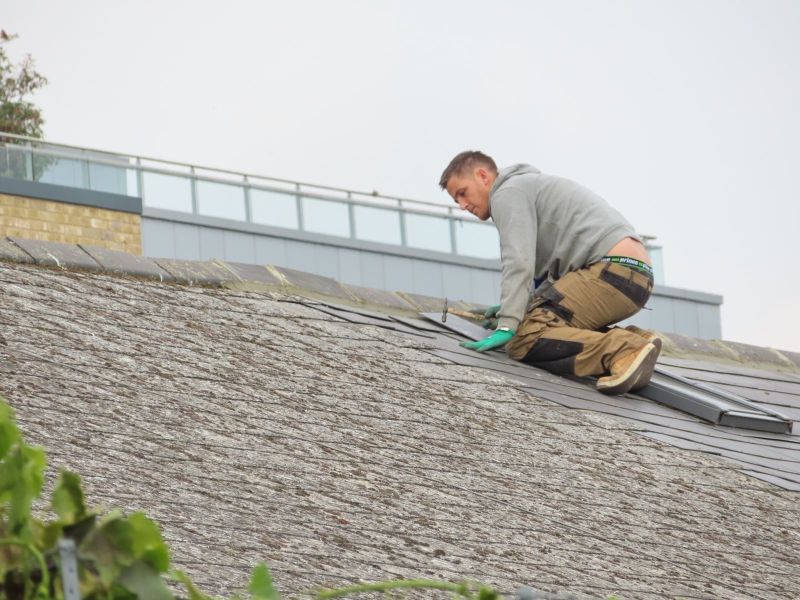
Get the price for the actual job in writing before work starts, and be wary of anyone who inspects one slipped tile and immediately pushes a full re-roof. Some do need replacing, but that's a daylight-inspection decision backed by photos of the loft and the slope, not a doorstep verdict. The National Federation of Roofing Contractors' advice on choosing a competent roofer is a sensible reference point for what good practice looks like.
Finally, ask for photos before and after. A reputable roofer working up where you can't see is happy to show you the finished fixing, and around 8 in 10 disputes over small roof jobs come down to work the homeowner simply couldn't verify. Photos settle that before it starts.
---
FAQ
Q: How much does it cost to fix a slipped roof tile in Warrington?
A: Refitting or replacing 1-3 slipped tiles typically costs £80-£220 in a single visit. Larger jobs of 4-10 tiles run £200-£450, and re-bedding ridge or verge mortar is around £40-£70 per metre. Access is the main variable - a scaffold or tower can add £150-£400.
Q: Why do roof tiles keep slipping on my house?
A: The usual cause is failed fixings rather than faulty tiles. On older slate roofs it's "nail sickness", where corroded nails let go, often in clusters. On tiled roofs it's cracked mortar on ridges and verges. Repeated slips across a slope usually mean the fixings have failed wholesale and a relay is due.
Q: Is a single slipped tile really worth fixing straight away?
A: Yes. A one-tile gap can let several litres of water into the roof during a storm, soaking underlay and battens. A same-day fix of £80-£180 routinely prevents ceiling and plaster damage costing well over £1,000, so early repair is almost always the cheaper path.
Q: Can I fix a slipped tile myself?
A: It's not advised. Around 20% of UK construction fatalities involve falls from roofs, and a wet Warrington roof is treacherous. You can spot problems safely from the ground or the loft, but the fixing itself is best left to an insured roofer working from proper access.
---
Ready to work with us?
We're here to help. Give us a call on 01264 554568 or fill out our short form below.