
Bay Window and Porch Roof Repairs in Warrington: Lead, Felt, Tiles and 2026 Costs
If you've got a damp patch above your front window, the culprit is usually not the main roof. It's the little roof over the bay. Bay window roof repairs are some of the most common small jobs we do in Warrington, because so many of the town's homes have one. Think of the Victorian terraces around Latchford, the 1930s semis in Stockton Heath and Penketh, or the canopy porches on the Birchwood and Westbrook estates. These roofs are small, often only 1 to 3 square metres, but they take the brunt of the weather on the front of the house and drain onto walls that were never meant to stay wet. Warrington gets around 830mm of rain a year spread over roughly 140 wet days, so a bay roof here can sit damp for weeks at a time between October and March. Below we cover lead, felt and tiled bays, porch canopies, why they give up before the main roof, and what each fix costs in 2026.
Why Bay Window Roofs in Warrington Fail Before the Main Roof
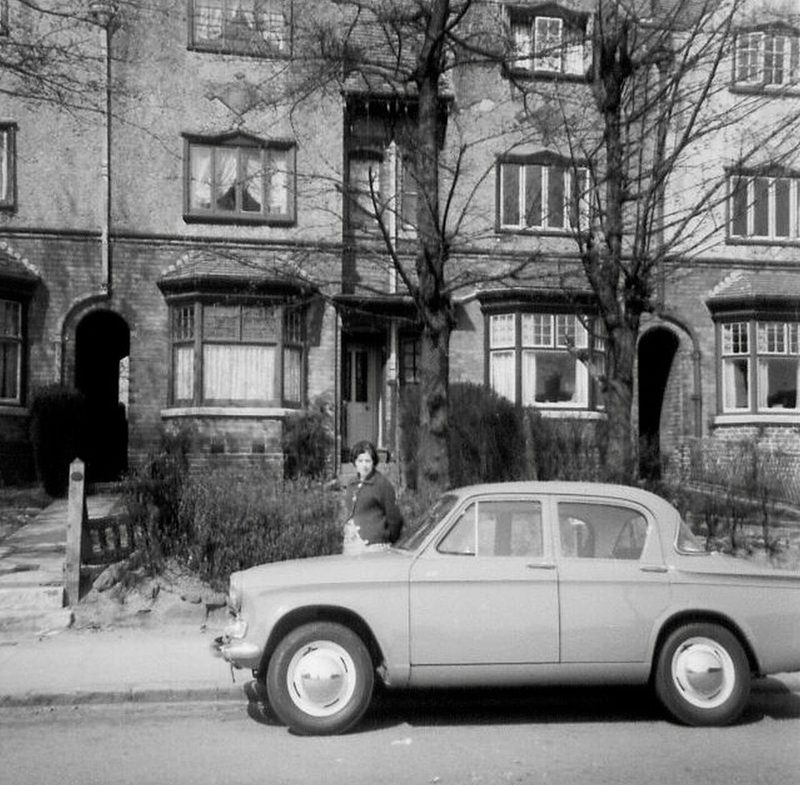
A bay roof is a scaled-down version of a big roof, with all the weak points squeezed into a tiny area. Where a main roof has one or two junctions with a wall, a bay has a junction along its whole back edge, plus hips, corners and a gutter, all within a couple of metres. Most of the bay leaks we're called to, comfortably more than half, start at that back junction where the bay meets the house wall. The covering itself is often fine.
They also get less care. Nobody looks at the top of a bay from the street, and it can't be seen from the loft. Problems are found when water shows up on the window head or the bedroom wall above, usually a year or two after the fault started. If you'd like someone to take a look before that happens, Northwest Roofing Contractors can check a bay or porch roof as part of a wider roof inspection or on its own.
Why the front of the house takes the worst of it
On any street, roughly half the bays face south or west, straight into Warrington's prevailing wind and rain. A south-facing lead bay also heats up to 60°C or more on a summer afternoon and drops close to freezing on a winter night. That swing is what eventually splits lead and cracks felt. The main roof gets the same weather. It just has far fewer joints to crack.
When the leak isn't where it looks
Water can travel a metre or more along a window head before it drips, so the damp patch is often nowhere near the actual fault. We've covered how roofers trace leaks like this in our guide to roof leak detection in Warrington and what your damp patch is telling you.
Lead-Topped Bays on Victorian and Edwardian Terraces
Most bays on Warrington's pre-1914 terraces were finished with lead, either a small flat top or a shallow hipped roof dressed in sheet lead. Done properly, lead lasts 80 to 100 years. The trouble is that many of these bays were re-covered at some point with lead that was too thin or in pieces that were too big.
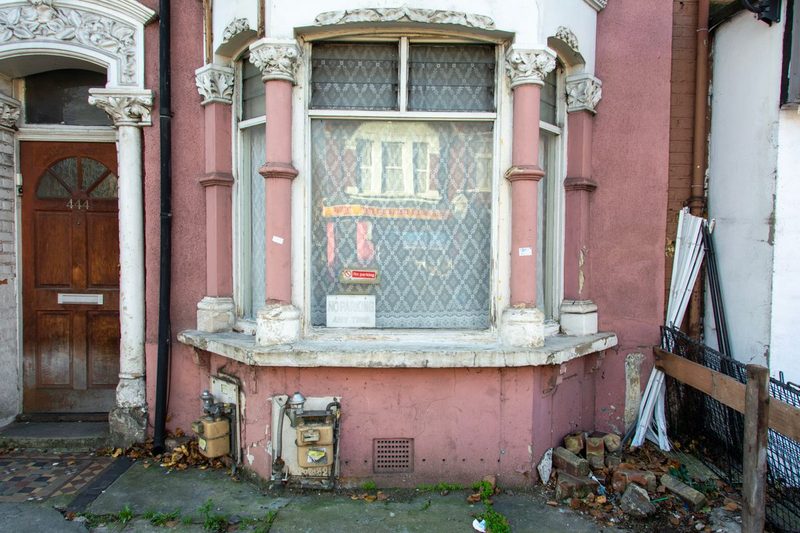
Lead moves as it heats and cools. A 2 metre sheet can grow and shrink by around 2mm across a normal year's temperature range, and if it's nailed tight on all sides it has nowhere to go, so it splits. The Lead Sheet Training Academy's guidance on leadwork recommends Code 4 or Code 5 lead for bay roofs, with limits on how long each piece can be. Thinner Code 3 still turns up on older repairs and is a common reason a bay top fails after only 15 or 20 years.
Signs your lead bay needs attention
- Hairline splits, often along a fold or near a corner
- Lead lifting at the front edge where the wind gets under it
- White powdery streaks (lead carbonate) washing onto the brickwork or paint
- Cracked mortar at the top where the lead is tucked into the wall
A small split can sometimes be lead-welded or patched for £150 to £350. If the lead is thin, has several splits or has been patched with bitumen before, re-leading the whole bay top in Code 5 is usually the better spend, at around £600 to £1,200 for a typical terrace bay.
Felt Flat Roofs on Interwar Bays and Brick Porches
From the 1920s onward, lots of bays and brick porches in Warrington were given a flat top in bitumen felt. Felt was cheap and quick, and the same goes for the many brick porches added to semis in the 1960s and 70s. Older built-up felt lasts 10 to 15 years, and modern torch-on felt 15 to 25.
Small flat roofs fail faster than big ones for a simple reason: there isn't enough fall. A bay top might be 1.2 metres deep, which leaves very little height to get water moving off it. Ponding after rain is common, and standing water ages felt quickly. Blocked or undersized gutters on porches make it worse, because the water backs up under the edge trim.
If the felt is blistered, cracked or bare of its mineral chippings, patching only buys a season or two. Replacing a bay or porch flat roof costs roughly:
- Re-felting a bay top in torch-on felt: £350 to £700
- Replacing with EPDM rubber or GRP fibreglass: £450 to £900
- Brick porch flat roof, 2 to 4 square metres, including new deck boards: £600 to £1,300
EPDM and GRP both last 25 years or more and suit small roofs well, because there are no joints across the middle. Rotten deck boards are the most common extra, adding £100 to £300.
Tiled Bay Roofs on Warrington's 1930s Semis
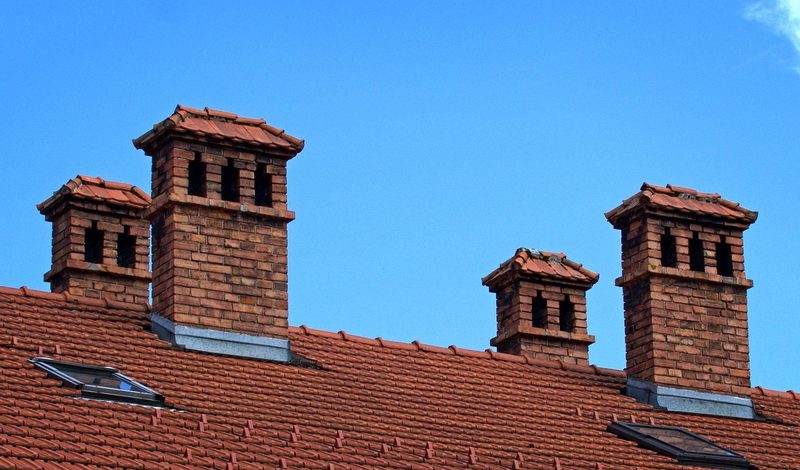
The two-storey bays on interwar semis in areas like Stockton Heath, Grappenhall and Great Sankey often have their own small hipped roof in clay or concrete tiles. Some have a tiled hood over the ground floor bay as well. These look like miniature main roofs, and they fail the same way, just sooner.
The weak spots are the hip tiles, which are bedded in mortar that cracks after 20 to 30 years, and the lead or mortar flashing where the bay roof meets the main wall. Tiles on a bay are also cut at strange angles to fit the hips, and small cut pieces slip more readily than full tiles. On a bay with 80 to 120 tiles, losing even 3 or 4 is enough to let water onto the timber.
Re-tiling vs repairing a bay hood
If the tiles are sound, re-bedding the hips and replacing a few slipped tiles is usually £250 to £550. If the battens are rotten or the tiles are original 90-year-old clay that's flaking, a full re-tile of the bay roof with new underlay costs around £800 to £1,800, depending on size and whether reclaimed tiles are needed to match the main roof. A first-floor bay normally needs a small scaffold or tower, adding £250 to £600.
Porch Canopies Over Front Doors: Tiled, GRP and Timber
Lots of Warrington homes, especially on the 1970s and 80s new town estates, have a canopy over the front door rather than a full porch. These are usually a small lean-to of concrete tiles on a timber frame, bracketed to the wall, sometimes 1.5 square metres or less. Newer houses often have a moulded GRP canopy instead.
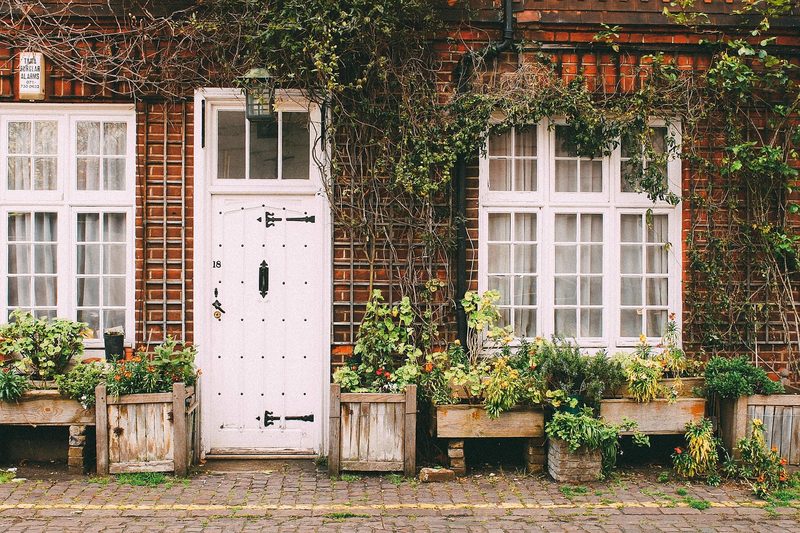
Tiled canopies tend to fail at the wall flashing and at the timber. The frame is often softwood that was painted once in 1985 and rarely since, and the bottom edge sits in drips off the tiles all winter. Once the timber softens, the tiles start to dip. GRP canopies don't rot, but they can crack from impact or UV over 25 to 30 years, and the sealant line along the wall perishes long before that.
Re-sealing or re-flashing a canopy where it meets the wall is usually £150 to £350. Re-tiling one on its existing frame runs £400 to £900, and if the frame has gone, a new GRP canopy fitted costs £600 to £1,500. A canopy that has started to sag away from the wall should be looked at quickly. They're heavier than they look, and a full tiled canopy can weigh 100kg or more.
Bay Window Roof Repair Costs in Warrington for 2026
These are typical Warrington prices for 2026, including VAT, for a standard-sized bay or porch.
- Inspection and minor repair on a ground floor bay: £120 to £250
- Patching split lead: £150 to £350
- Re-pointing the wall flashing along the back of a bay: £200 to £450
- Re-leading a bay top in Code 5 lead: £600 to £1,200
- Re-felting a bay top: £350 to £700
- EPDM or GRP on a bay top: £450 to £900
- Re-bedding hips on a tiled bay: £250 to £550
- Full re-tile of a tiled bay roof: £800 to £1,800
- Replacing rotten fascia or trim on a bay: £150 to £400 extra
- Tower or scaffold for a first floor bay: £250 to £600
Small jobs carry a higher price per square metre than big ones, because a roofer still needs to bring materials, set up access and lose half a day for what might be two hours on the roof. If you've got a bay and a porch that both need work, doing them together usually saves 20% to 30% compared to two separate visits.
Damp from a bay leak can also spread to plaster, window heads and the lintel. Re-plastering a damp patch under a bay typically adds £200 to £500, so a repair at the £300 stage often saves twice that later.
Planning, Access and Choosing a Roofer for a Small Roof Job
Repairing or re-covering a bay or porch roof like for like doesn't normally need planning permission. A brand new porch usually falls under permitted development as long as it stays under 3 square metres of floor area, no more than 3 metres high and at least 2 metres from a boundary with a road. The Planning Portal's guidance on porches and planning permission sets out the details. If you live in one of Warrington's conservation areas, check with Warrington Borough Council before changing the material on a front-facing bay, for example from lead to GRP.
Honestly, finding a roofer for a small job can be the hardest part. The North West has been short of skilled roofers for years, and leadwork skills in particular are getting rarer as older tradespeople retire. Good Warrington firms are often booked 4 to 8 weeks ahead in spring and autumn, and small bay jobs can slip down the list. Late winter and midsummer are usually quieter, so it's worth asking for a slot then if the problem isn't urgent.
When you get quotes, ask what the roof will be covered with, what thickness of lead or which membrane, and whether the wall flashing is included. You can check a firm's background through the National Federation of Roofing Contractors' member directory and standards. A workmanship guarantee of 5 to 10 years is reasonable on a re-covered bay.
Frequently Asked Questions About Bay Window Roof Repairs in Warrington
How much does it cost to repair a bay window roof in Warrington?
Most small repairs, such as patching lead or re-pointing the wall flashing, cost £150 to £450 in 2026. Re-covering the whole bay top costs £350 to £1,200 depending on whether it's felt, rubber or lead, and a full re-tile of a tiled bay roof is around £800 to £1,800.
Why is my bay window leaking when the main roof is fine?
Bay roofs have a joint along the whole back edge where they meet the house wall, and that junction is where most leaks start. They also face the worst of the weather on the front of the house and are rarely inspected, so faults go unnoticed for longer.
Is lead or GRP better for a bay window roof?
Code 5 lead lasts the longest, often 80 years or more, and is usually expected on period terraces and in conservation areas. GRP or EPDM costs less and lasts 25 years or more, which suits a plain flat-topped bay or porch on a newer house.
Ready to work with us?
We're here to help. Give us a call on 01264 554568 or fill out our short form below.