
Chimney Removal in Warrington: Costs, Building Regs, and What's Involved
A redundant chimney is dead weight on a roof, and a fair number of Warrington homeowners are carrying one. A typical Victorian terrace chimney breast eats 0.5-0.8 square metres of floor space in every room it passes through, which adds up to nearly 2 square metres across three floors. Removing the stack at roof level costs roughly £800-£2,000 in 2026, taking out breasts through the house runs £2,500-£5,000, and doing it badly is one of the defects surveyors flag most often on older homes. With around 870mm of rain a year falling on Warrington and old lime mortar on stacks that have not seen a fire in 40 years, a disused chimney is also a live source of damp. This guide covers what removal actually costs here, the building regs and party wall rules that apply, and how to tell whether removing it or capping it is the smarter call.
What Chimney Removal Costs in Warrington
Prices split by how much of the chimney comes out, and the difference between the cheapest and most expensive job on this list is a factor of six.
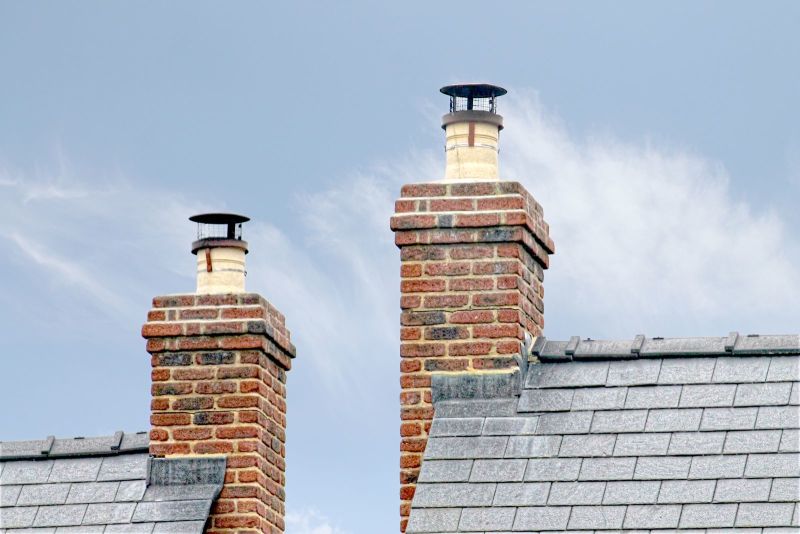
Stack removal at roof level only (with the roof made good): £800-£2,000
Single chimney breast removed in one room: £1,000-£2,000
Breasts removed through two floors with structural support: £2,000-£3,500
Full chimney removal, roof to ground floor, including making good: £2,500-£5,000
Add scaffolding at £600-£1,500 for anything involving the stack, £300-£700 for a structural engineer's calculations where support is needed, £300-£600 for a building control notice, and £400-£900 for plastering and redecoration afterwards. Skip hire for the rubble is another £250-£400, and a Victorian stack produces more of it than people imagine - a full breast removal from a three-storey terrace can generate 3-5 tonnes of brick.
The compact terraces around the town centre, Latchford, and Orford tend to sit at the lower end for the stack itself but higher for the internal work, because breasts there are often shared with the neighbour and the party wall adds complexity. Larger detached homes in Appleton, Grappenhall, and Stockton Heath cost more on scaffolding thanks to bigger roof spans and multiple stacks. If you are not sure whether your stack needs removing or just repointing and capping, Northwest Roofing Contractors will give you a straight answer before you commit to the bigger job.
Removing the Stack vs Removing the Whole Chimney
These are two different jobs with very different prices, and mixing them up is the most common reason quotes come back wildly apart.
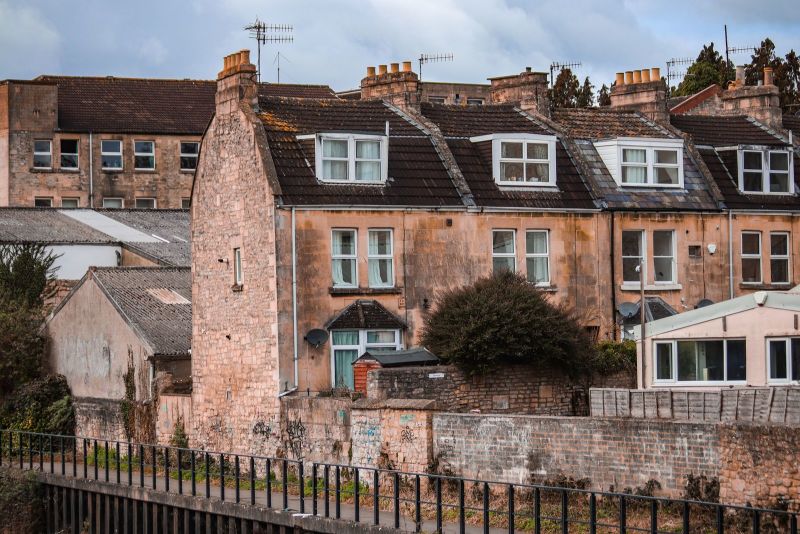
Taking down the stack means removing the brickwork above roof level, cutting the flues off below the rafters, and re-tiling or re-slating the hole left behind. It is a roofing job, typically 1-2 days plus scaffolding, and it removes the part of the chimney that causes about 80% of the damp and leak problems. The breasts stay in place inside the house, so you gain nothing in floor space.
Removing breasts is a structural job that runs through the building. Every floor the breast passes through needs the masonry above it supported, either on gallows brackets bolted to the party wall or, more commonly now, on a steel beam bearing into sound brickwork either side. It gains you the floor space, and it costs two to three times as much.
The Half Job That Fails Surveys
The single worst outcome is a breast removed on the ground floor with the one above it left hanging on nothing but its own bond. Surveyors call this an unsupported chimney breast and it turns up on somewhere around 1 in 10 older properties that have had DIY-era alterations. It is a red-flag item on a home survey, mortgage lenders query it, and putting it right afterwards costs more than doing it properly first time. We went into what surveyors look for and what they charge in our guide to roof survey costs in Warrington, which is worth a read if you are buying a property with an odd-looking chimney arrangement.
Building Regulations and Structural Support
Chimney removal is notifiable work under the building regulations. That surprises people, because it feels like demolition rather than construction, but you are removing load-bearing masonry from the middle of a house.
The relevant standard is Approved Document A on structural safety, and building control will want to see how the remaining masonry is being carried. Gallows brackets are still permitted in limited situations, but only where the party wall is sound solid brick of adequate thickness and the load above is modest. On most jobs now an engineer will specify a steel beam with a minimum 150mm bearing each end, sitting on padstones. Expect calculations, not a shrug.
Notify before you start rather than after. Submitting a building notice or full plans application through building control typically costs £300-£600 for work of this scale, against a regularisation certificate afterwards that costs more and involves opening up finished work for inspection. The completion certificate is the document your buyer's solicitor will ask for, and around 1 in 5 sales that stall on paperwork do so over missing building control sign-off for structural alterations.
Party Walls: The Rule Terraced Owners Miss
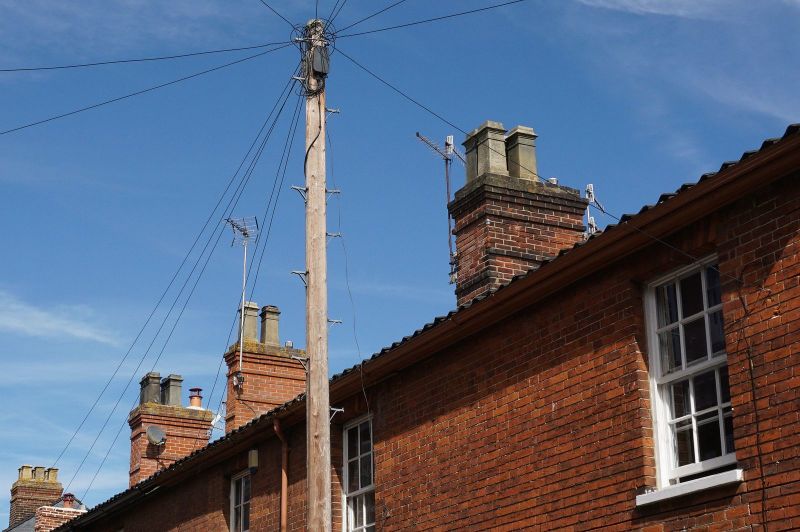
On a Warrington terrace, the chimney is very often built into the party wall and shared with next door. That puts the work squarely under the Party Wall etc. Act 1996.
Cutting into, removing masonry from, or bearing a new steel beam onto a party wall all require written notice to the adjoining owner. For section 2 works the notice period is two months before work starts, and skipping it is not a technicality - a neighbour who objects after the fact can stop the job and pursue you for damage. The plain-English guidance on party walls and building works sets out exactly what has to be served and when.
Where the stack itself is shared, you cannot simply take your half down. A half-demolished shared stack is unstable and the remaining flues are left exposed to weather. In practice you either agree a joint removal with the neighbour, or you reduce and cap your side with the stack rebuilt to a stable profile. Roughly a third of shared-stack jobs in terraced streets end up as a repair-and-cap rather than a removal for exactly this reason.
Capping and Ventilation: What Happens to the Old Flue
If you keep the chimney but stop using it, the flue still needs to breathe. A sealed, unventilated flue collects condensation, and that shows up as damp patches on the breast six months later.
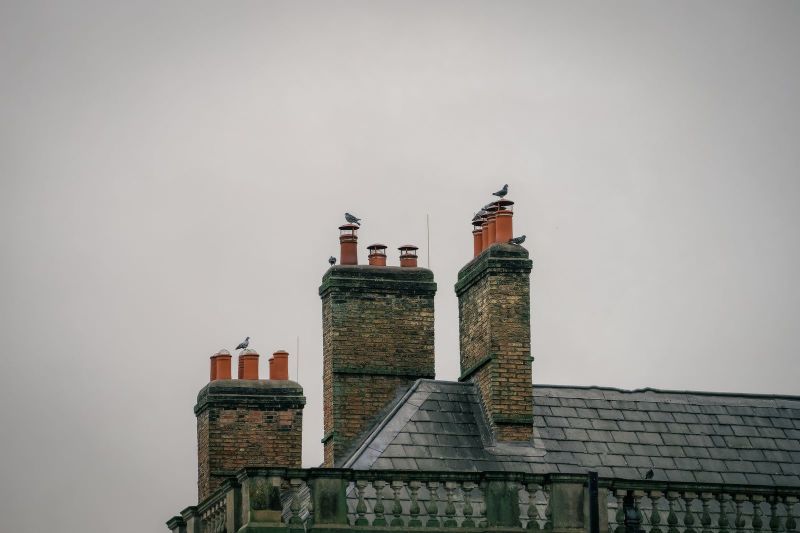
The rule of thumb is a capped top with a vented cowl and an air brick at the bottom of the flue, so there is a slow draught through the void. Requirements around disused flues, ventilation, and hearth removal sit in Approved Document J on combustion appliances and fuel storage. A vented cap and air brick together cost £150-£350, which is a fraction of a removal and solves most of the damp complaints on its own.
When Capping Beats Removing
Capping is usually the better answer if you might reinstate a stove later, if the stack is shared and the neighbour is not on board, or if the breast is not costing you usable space. It is also the sensible option on a property where the stack is still structurally sound and just needs repointing, re-flaunching, and a new lead flashing apron. We have covered that work in more detail in our guide to ridge and chimney repairs in Warrington. Repointing and reflaunching a stack typically costs £400-£900, against £2,500-£5,000 for a full removal, so it is worth ruling out before you reach for the scaffolding.
How Warrington's Housing and Weather Affect the Job
Warrington's older stock is where nearly all of this work happens. The Victorian and Edwardian terraces around the town centre, Latchford, Orford, and Bewsey were built with a fireplace in almost every room, so a single house can have four or five flues in one stack. Those stacks are laid in lime mortar, which weathers back faster than modern cement, and after 120 years the top metre is often soft enough to rake out by hand.
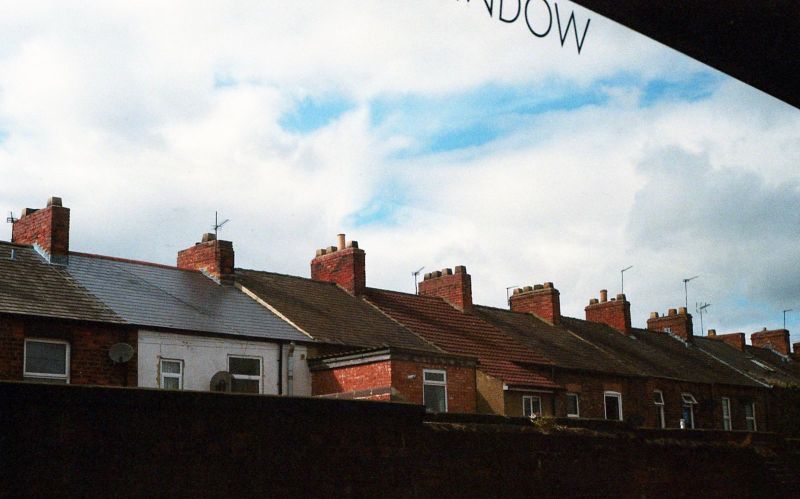
The North West climate makes it worse. With something like 145 wet days a year and prevailing south-westerlies driving rain into the weather-facing side of a stack, the brickwork stays saturated for long stretches of the winter. Add a freeze-thaw cycle and the face of the brick spalls off. That saturated masonry then wicks damp down into the breast, which is why a disused stack shows as staining on a bedroom chimney breast long before anything shows on the roof.
The newer estates at Birchwood, Westbrook, Callands, and Chapelford rarely have this problem at all, because from the 1970s onwards most homes were built with no chimney or with a lightweight flue liner that is straightforward to remove. Where those homes do have a feature fireplace, removal is usually a half-day internal job with no structural implications and no party wall involvement.
Choosing a Contractor and Getting Quotes That Compare
Get three quotes and check they are pricing the same scope. The gap between a £900 quote and a £3,500 quote is nearly always scaffolding, whether the roof is being properly made good with matching tiles or slates, whether the internal making good and plastering is included, and whether the building control notice is being submitted by the contractor or left to you.
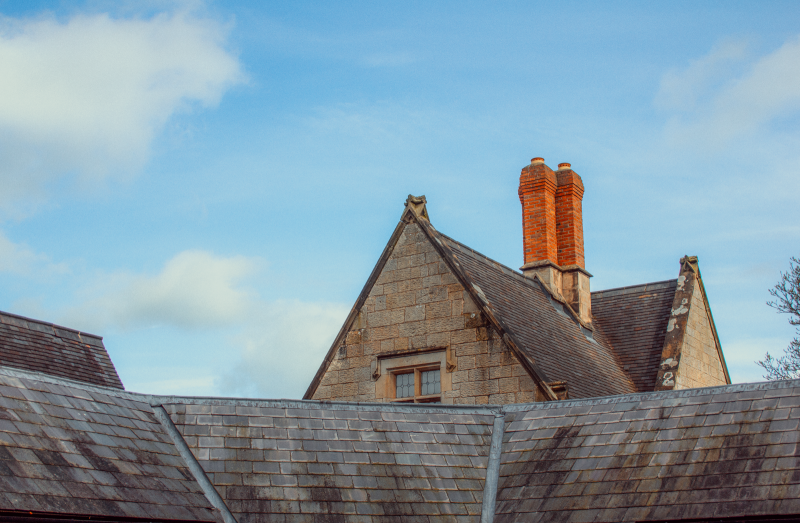
Ask specifically who is doing the structural design, how the masonry above is being supported, and how the roof is being closed up. A stack removal leaves a hole in the roof covering that needs new battens, new felt, and either matching reclaimed slate or new tiles blended in. On a nail-sick Victorian slate roof, that patch is a good moment to have the surrounding area assessed rather than just plugged.
Check credentials before you book. You can verify a firm on the TrustMark register of government-endorsed tradespeople in under a minute, and the National Federation of Roofing Contractors' guidance on choosing a roofing contractor is a useful benchmark for what a legitimate outfit looks like. Warrington's position between the M62 and M6 means there are plenty of roofers and builders covering the town along with Widnes, Runcorn, and St Helens, so competition is healthy and there is no reason to accept the first price you are given.
---
FAQ
Q: How much does chimney removal cost in Warrington?
A: Removing the stack at roof level and making the roof good typically costs £800-£2,000 in Warrington in 2026. A single chimney breast in one room runs £1,000-£2,000, breasts through two floors with structural support £2,000-£3,500, and a full removal from roof to ground floor £2,500-£5,000. Scaffolding adds £600-£1,500, building control £300-£600, and plastering and redecoration a further £400-£900.
Q: Do I need building regulations approval to remove a chimney breast?
A: Yes. Removing a chimney breast is notifiable structural work because you are taking out load-bearing masonry. Building control will want to see how the masonry above is supported, usually a steel beam with a minimum 150mm bearing each end on padstones, or gallows brackets where the party wall is sound and the load is modest. A building notice costs around £300-£600 and the completion certificate is what a buyer's solicitor will ask for later.
Q: Do I need to tell my neighbour before removing a shared chimney?
A: If the chimney is built into the party wall, which is common on Warrington terraces, the work falls under the Party Wall etc. Act 1996 and you must serve written notice on the adjoining owner two months before starting. You also cannot simply demolish your half of a shared stack, since that leaves it unstable and exposes their flues. In practice most shared stacks end up either jointly removed by agreement or reduced and capped.
Q: Is it better to cap a chimney or remove it completely?
A: Capping is usually the better option if the stack is structurally sound, if you might fit a stove later, or if the stack is shared and your neighbour is not on board. A vented cap and an air brick at the bottom of the flue cost £150-£350 and prevent the condensation and damp that a sealed flue causes. Full removal only makes sense when you genuinely want the floor space back or the stack is beyond economical repair.
---
Ready to work with us?
We're here to help. Give us a call on 01264 554568 or fill out our short form below.