
Roof Valleys in Warrington: Which Type You Have, Why It Leaks and 2026 Repair Costs
A roof valley is the internal corner where two slopes meet, and it carries more water than any other part of the roof. On a typical Warrington semi with a two-storey side or rear extension, one valley can take the run-off from 25 to 35 square metres of tiles, funnelled into a channel maybe 200mm wide. Valleys are behind a big share of "mystery" ceiling stains. Warrington gets around 830mm of rain a year, a bit less than the UK average, but it arrives on roughly 140 to 150 days, and autumn adds a steady supply of leaves from the tree-lined roads around Stockton Heath, Grappenhall and Appleton. Before comparing quotes, it helps to know which of the four main valley types is on your roof.
Why Roof Valleys in Warrington Take the Worst of the Weather
Roof valley problems here start with house shapes. Warrington's 1930s stock has plenty of hipped semis and L-shaped plans, and every hip that meets a projecting gable makes a valley. Then there are the extensions: across Great Sankey, Penketh and Westbrook, rear and side extensions from the 1980s onwards tie new roofs into old ones, nearly always with a valley. On a lot of the valley jobs we price, the leak turns out to be at an extension junction rather than on the original roof.

The weather does the rest. Frequent light rain keeps a valley wet for long stretches, so any gap gets tested constantly. Look at the Met Office long-term climate averages for stations around the Mersey and you'll see the pattern: modest totals, lots of rain days, and the wettest spell running from October to January. That's also when the leaves come down.
If you'd rather someone just looked, Northwest Roofing Contractors can inspect a valley and tell you which type you have.
First Look: Where the Valleys Sit on Your Roof
From the garden, follow each inside corner down from the ridge. An L-shaped 1930s semi usually has one valley at the back; with an extension, look where newer, slightly different-coloured tiles meet the old. Inside the corner you'll see one of four things:
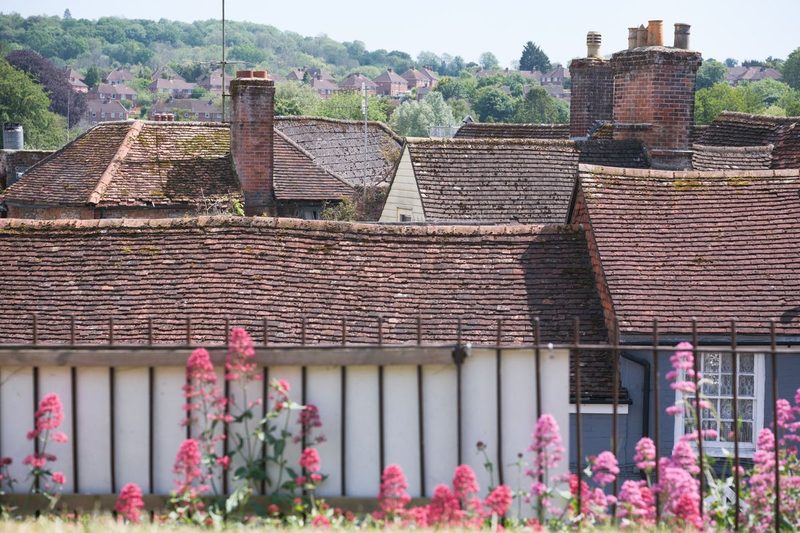
- A strip of dull grey metal visible down the middle, usually 100mm to 150mm wide
- Tiles cut to a line with a band of mortar along the joint and no metal showing
- A moulded channel in grey, black or brown that looks like plastic
- Tiles that curve round the corner with no visible channel at all
Binoculars or a zoomed phone camera help. Keep off the roof itself - older valley tiles are brittle.
If You Can See Grey Metal: A Lead Valley
An open lead valley is the traditional choice and, done properly, the longest-lasting. The lead sits on boards laid between the rafters, with tiles cut back either side so the water runs down an open metal channel.

Lead fails in a few recognisable ways. Pieces laid too long can't expand and contract properly, so they split. Industry guidance from the Lead Sheet Training Academy sets maximum lengths per piece and minimum laps for exactly this reason. Thin Code 3 lead wears through, and old nails rust and pull. Look for a crack across the metal or a lifted lap.
Lead Valley Prices and Lifespan
As a 2026 guide, a single split soldered, or a short new section of Code 4 or 5 lead dressed in, costs around £350 to £750. Stripping and relaying a full 4m to 6m lead valley, with new valley boards, typically comes to £1,200 to £2,400, plus £600 to £1,400 for scaffold if needed. New lead laid in correct lengths can last 60 years or more.
If You Can See a Mortar Line: A Mortar-Bedded Valley
Plenty of Warrington roofs that were re-tiled in concrete interlocking tiles from the 1960s to the 1990s ended up with a "closed" or mortar-pointed valley. The tiles are cut to meet over a lining, usually felt, and the joint is filled with sand and cement. It looks tidy for about 15 years.
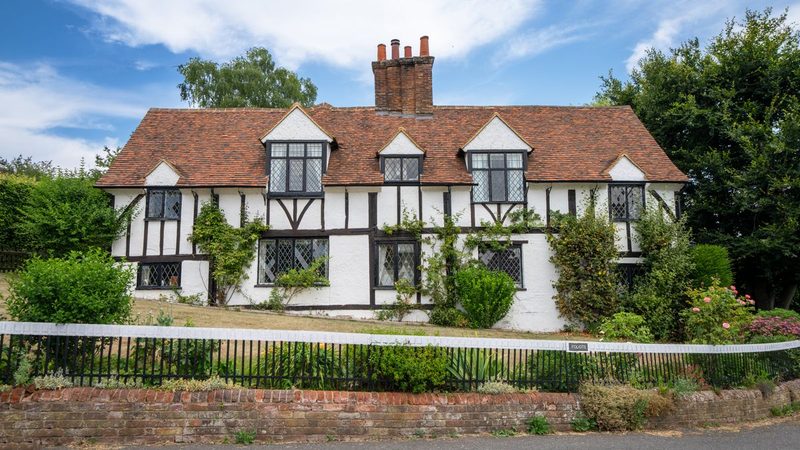
Then the mortar shrinks, cracks and washes out, and on north-facing valleys moss roots speed that up. Once it's eroded, rain blows sideways under the cut tile edges. Look for gaps along the joint and mortar chunks in the gutter below.
Is Re-Pointing Worth It?
Raking out and re-pointing a mortar valley runs £250 to £550 in most cases. But it's a holding repair worth 5 to 10 years at best, and if the lining underneath has perished it just hides the problem. Converting to a dry or GRP valley, around £900 to £1,800, is usually the better spend.
If You Can See a Moulded Trough: GRP or a Dry Valley System
Most newer extensions and re-roofs since about 2010 use a pre-formed trough. These are glass-reinforced plastic (GRP, often just called fibreglass) or a dry valley system, where the trough comes with foam fillers or clips so the tiles sit against it with no mortar at all. They're quick to fit and far cheaper than lead.
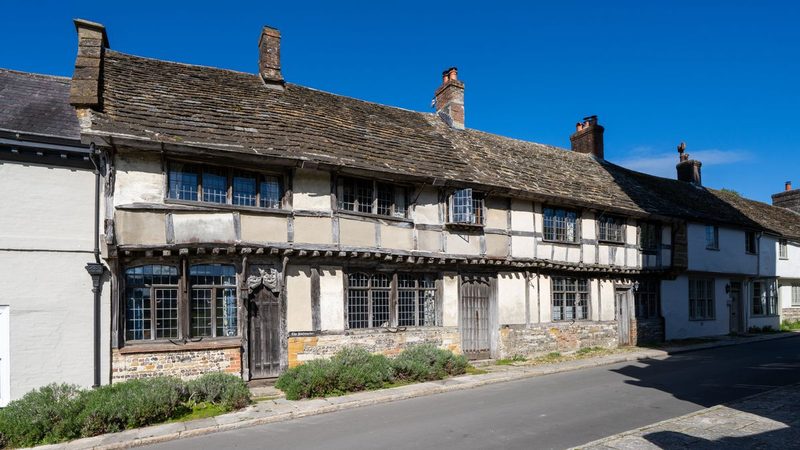
Their weak point is size. A cheap narrow trough on a steep, long valley can overflow in a hard downpour, especially once a few leaves collect halfway down, particularly where a big extension roof drains into a valley sized for something smaller. Badly lapped joints between trough sections are the other culprit.
Replacing a failed section costs £300 to £700. A full new dry valley on a semi typically comes in at £900 to £1,800 before scaffold, and good GRP should last 25 to 40 years. If yours overflows, don't accept a like-for-like swap. Ask whether a deeper profile is available.
Tiles Curving Round the Corner: Purpose-Made Valley Tiles
Some older clay plain-tile roofs, found on 1920s and 1930s houses in Appleton and Grappenhall, have no visible channel. Curved valley tiles lap round the corner like the rest of the roof. They shed water well, but one cracked tile leaves the corner exposed.
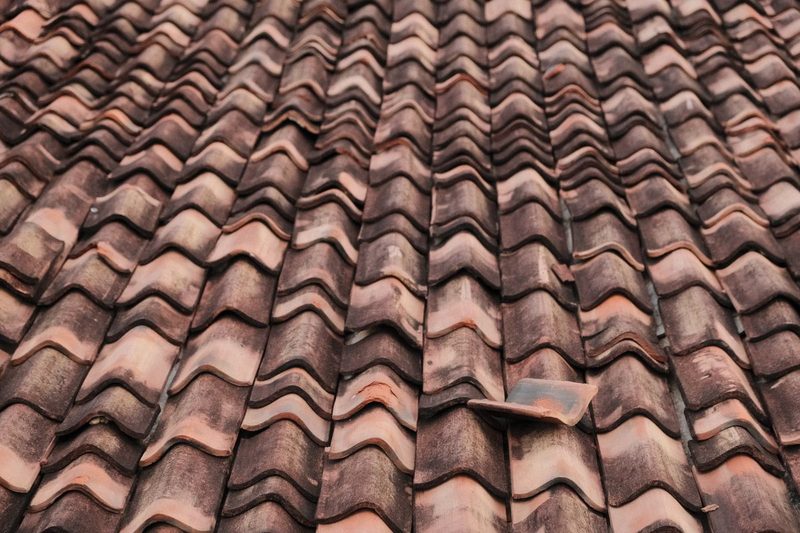
Matching replacements are hard to source. Expect £300 to £800 for a few tiles, or £1,500 to £3,000 for a full rebuild. If you're in one of Warrington Borough Council's conservation areas, check with the council before swapping this detail for a visible plastic trough.
Why Roof Valleys Leak: What Goes Wrong
Whatever the type, the causes fall into four groups.

Debris is the most common, and it's seasonal. A clump of sycamore or lime leaves in a valley acts like a dam: water backs up behind it and spills sideways under the tiles. On the tree-lined avenues of Stockton Heath and Grappenhall, a good number of our autumn valley callouts turn out to be blockages, not failed materials. Clearing a valley costs around £80 to £150, often less if it's done alongside a gutter clean.
Split or thin lead, eroded mortar and undersized troughs make up most of the rest, and we've covered those above. One cause people miss is a new roof pitched into an old one without the valley boards being set at the right level. That leaves a dip where water pools. If the leak is where the extension meets the house wall, suspect the flashing too. We've written up what goes wrong with lead flashing in Warrington separately.
Finding Someone Who Can Actually Do the Work
Warrington isn't short of roofers, but it is short of people who are confident with leadwork. Plenty of firms default to GRP whatever's on the roof. That's not always wrong, but if you want lead kept, ask for photos of recent lead valleys, and check whether the firm belongs to a trade body such as the National Federation of Roofing Contractors. Busy periods after autumn storms can push lead-trained roofers 3 to 5 weeks out.
Repair or Re-Valley? A Quick Cost Summary for 2026
These are typical guide prices for a Warrington semi, before scaffold:

- Valley clear and inspection: £80 to £150
- Mortar re-point: £250 to £550 (lasts 5 to 10 years)
- Lead patch or short section: £350 to £750
- GRP or dry valley section replacement: £300 to £700
- Full dry or GRP re-valley: £900 to £1,800 (lasts 25 to 40 years)
- Full lead re-valley: £1,200 to £2,400 (lasts 60 years or more)
- Plain-tile valley rebuild: £1,500 to £3,000
If more than a third of the valley needs work, or it's been patched twice already, a full re-valley is usually cheaper over ten years. And if you're paying for scaffold (£600 to £1,400) anyway, do the whole valley in one visit.
Common Questions About Roof Valleys in Warrington
How do I know if my roof valley is leaking?

A damp patch or brown stain directly below an inside corner of the roof, worse after wind-driven rain, is the usual sign. From the loft you may see wet timber along the valley line.
Is lead or GRP better for a roof valley?
Lead lasts longest, often 60 years or more, but costs more and needs a skilled installer. GRP and dry valleys are cheaper and typically last 25 to 40 years, which suits most Warrington extensions and re-roofed semis.
Do I need planning permission to replace a roof valley?
Not for like-for-like work on an ordinary house. If it's listed or in a conservation area, check with Warrington Borough Council before changing the valley material.
How often should roof valleys be cleared?
Once a year, in late autumn, suits most Warrington homes. Houses under big trees in Stockton Heath, Grappenhall or Appleton may need a second clear in early winter.
Ready to work with us?
We're here to help. Give us a call on 01264 554568 or fill out our short form below.